Design
Discover the interior decoration trends for 2024
design

Expressions like“100% Natural”,“environmentally friendly”and“eco-sustainable”They are everywhere and appeal to the consumer's sense of community, revealing a conscious and ethical stance towards nature. However, the prefix“echo”It's not just popular. In interior design, environmental responsibility is much more than a trend. Discover, in this article, the 5 principles of ecodesign.
Ecodesign emerged at the end of the 20th century as a response to industrial production. Different from the ecological style, which aims to create a feeling of freshness and naturalness in the interior (mainly through the use of natural materials and an abundance of live plants), ecodesign values the design of spaces or objects that respect the interests of the planet.
Fundamentally, ecodesign aims to minimize the use of non-renewable natural resources, reducing waste generated during the production, transport and post-use of construction materials and decorative objects.
In recent years, ecodesign has become an important trend in interior design, as a result of a drastic deterioration in the quality of the environment. Naturally, its principles are directly related to the notion of sustainability. Check it out:
As expected, ecodesign aims to reestablish the connection between human beings and nature, valuing the presence of natural elements both indoors and outdoors.
In this way, as inorganic architecture by Frank Lloyd Wright, in ecodesign, it is necessary“preserve the landscape, respecting the topography and existing elements”.This allows users to feel like part of an ecosystem, allowing them to evolve with the properties of the world around them.
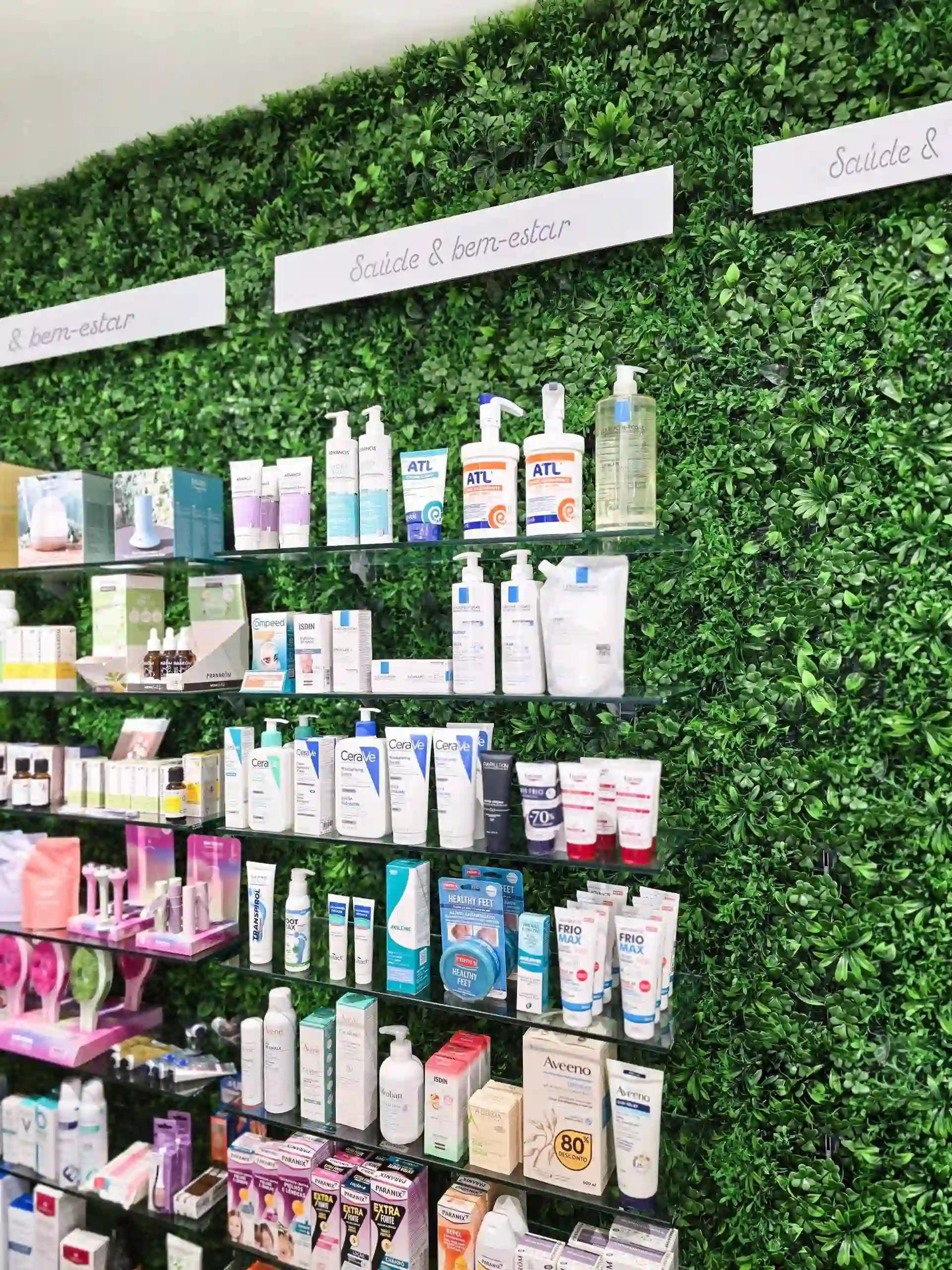
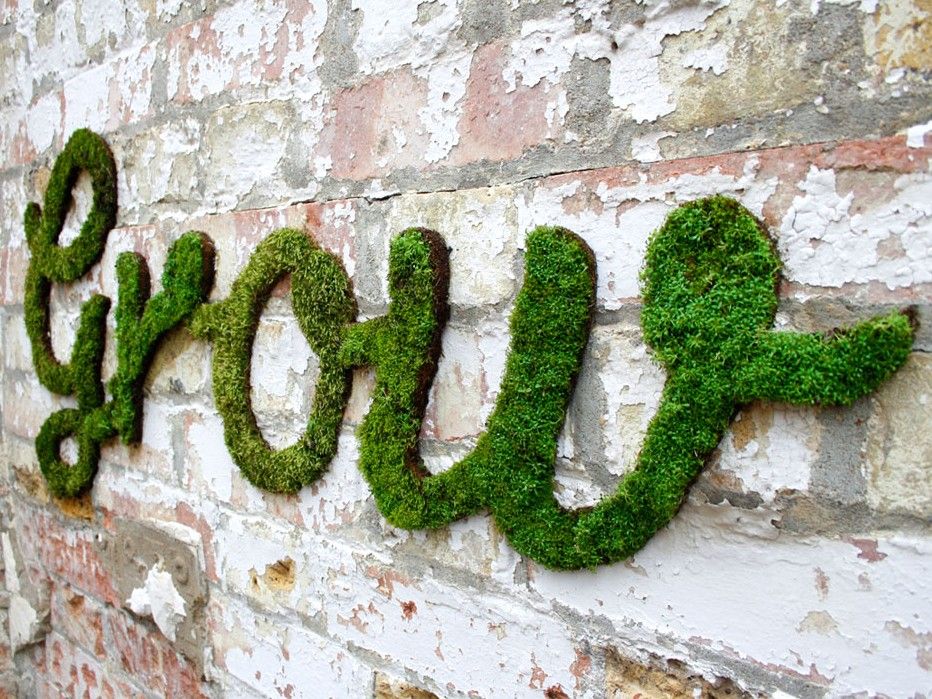
An excellent example of this conduct is theMoss Graffiti:“the latest ecological guerrilla art”.A type of graffiti"harmless"and “eco-friendly”, where typography, designs and geometric patterns are created from living material,“whose growth and flowering become a significant part of the landscape”.Other examples are rooftop gardens (also called “ecotelados”) or the interior living walls.
In ecodesign, the beauty of the material has a supplementary nature. Its extraction, transport and manufacturing conditions are, first and foremost, key factors in its selection. Thus, materials such as metal, stone orwoodThey are highly valued in interiors inspired by ecodesign.
AlsofurnitureWicker, bamboo, rattan or straw accessories, jute rugs or cork coverings are equally welcome.
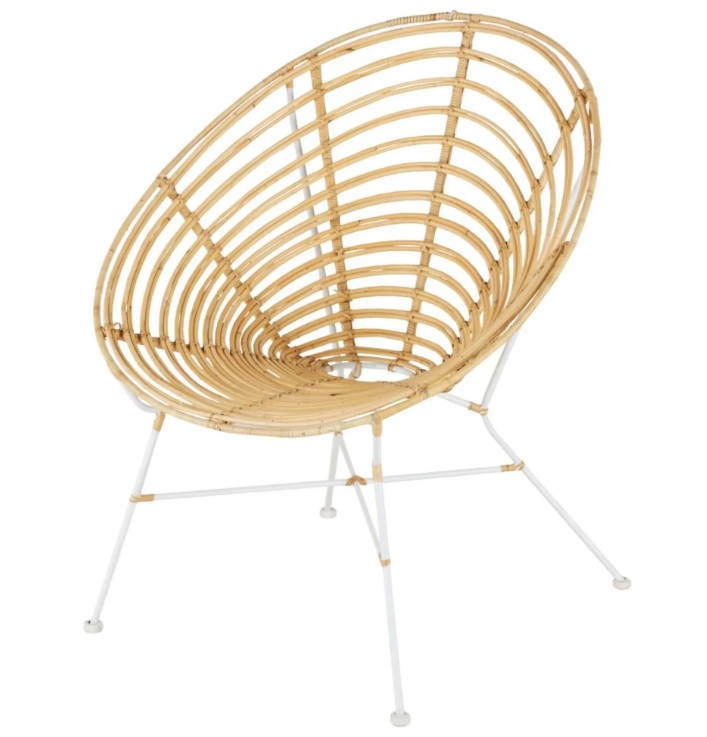
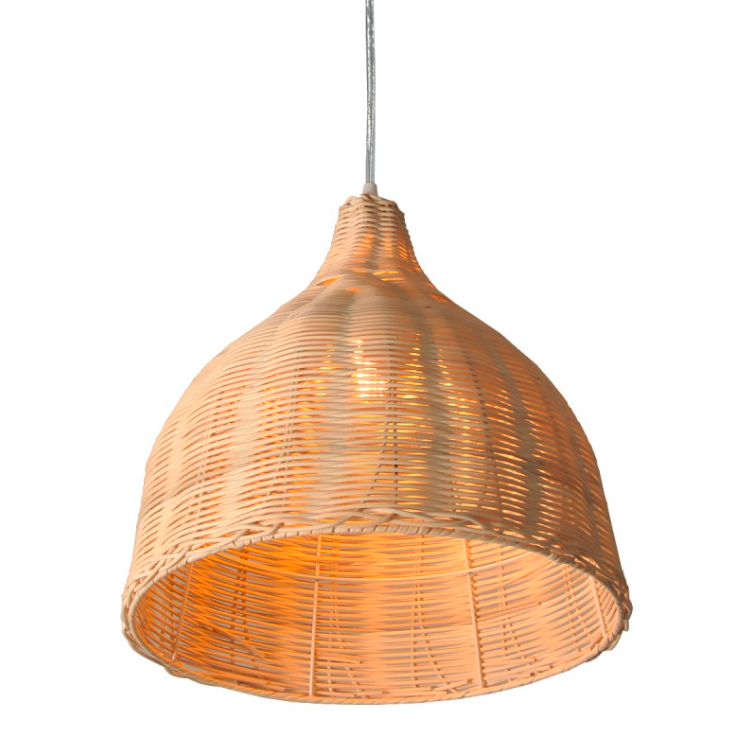
Image credit: maisonsdumonde.com
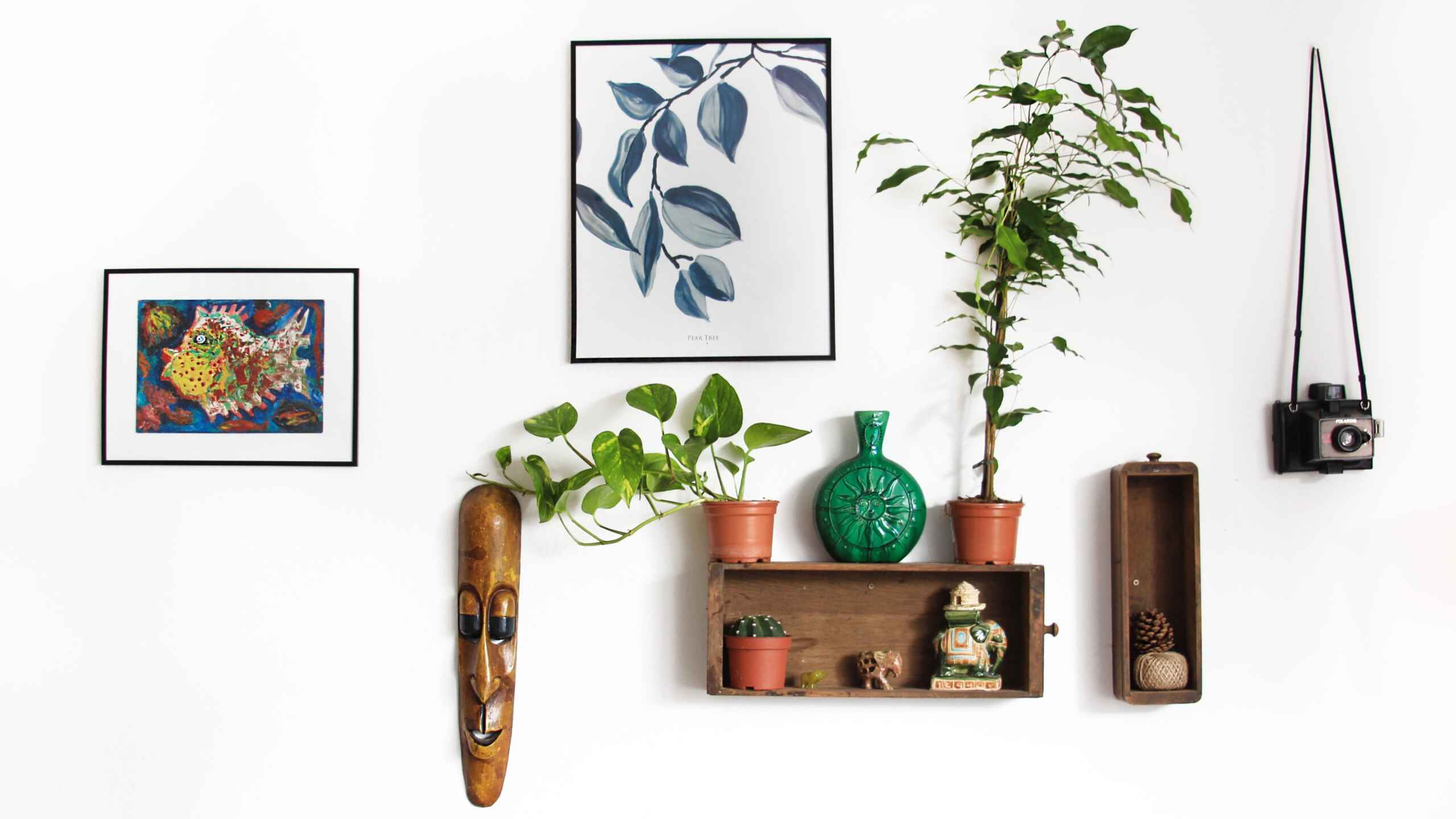
Ecodesign values not only the recycling of materials, but also what designers call“giving new life to old things”, exploiting to the maximum the potential of furniture and objects that have already been produced. Everything that is authentic, timeless and produced with attention to detail.
Essentially, this design style dignifies and highlights everything that stands the test of time, promoting an economical and efficient use of natural resources. Be it a vintage mirror, wooden pallets, tiles made from recycled glass, an old grandmother's shawl or even old suitcases (objects that can be transformed into beautiful side tables, for example).
Fundamentally, we are talking about natural, non-toxic materials, the reuse of which translates into a benefit for the environment.
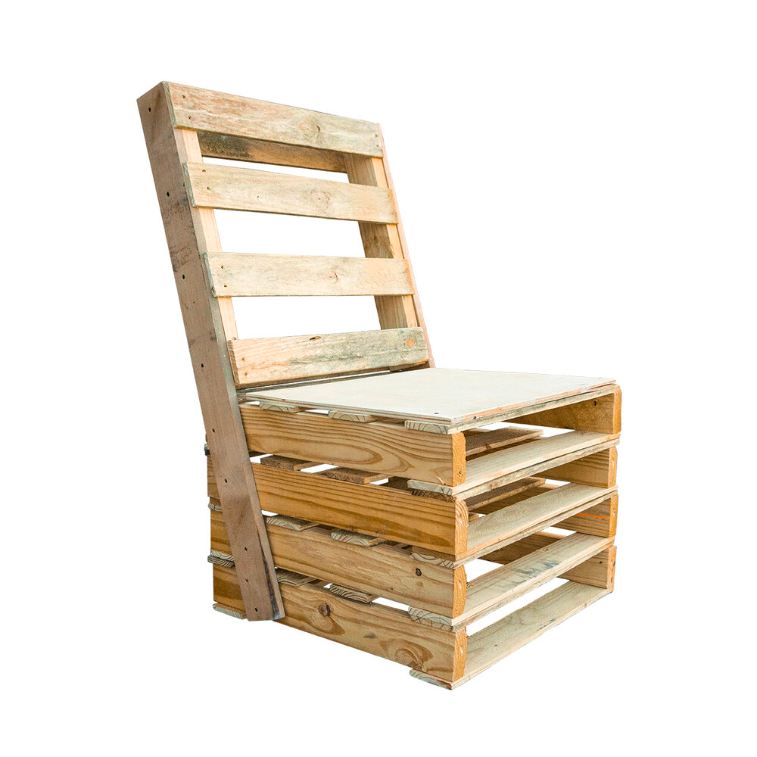
Image credit: whitedoorevents.com
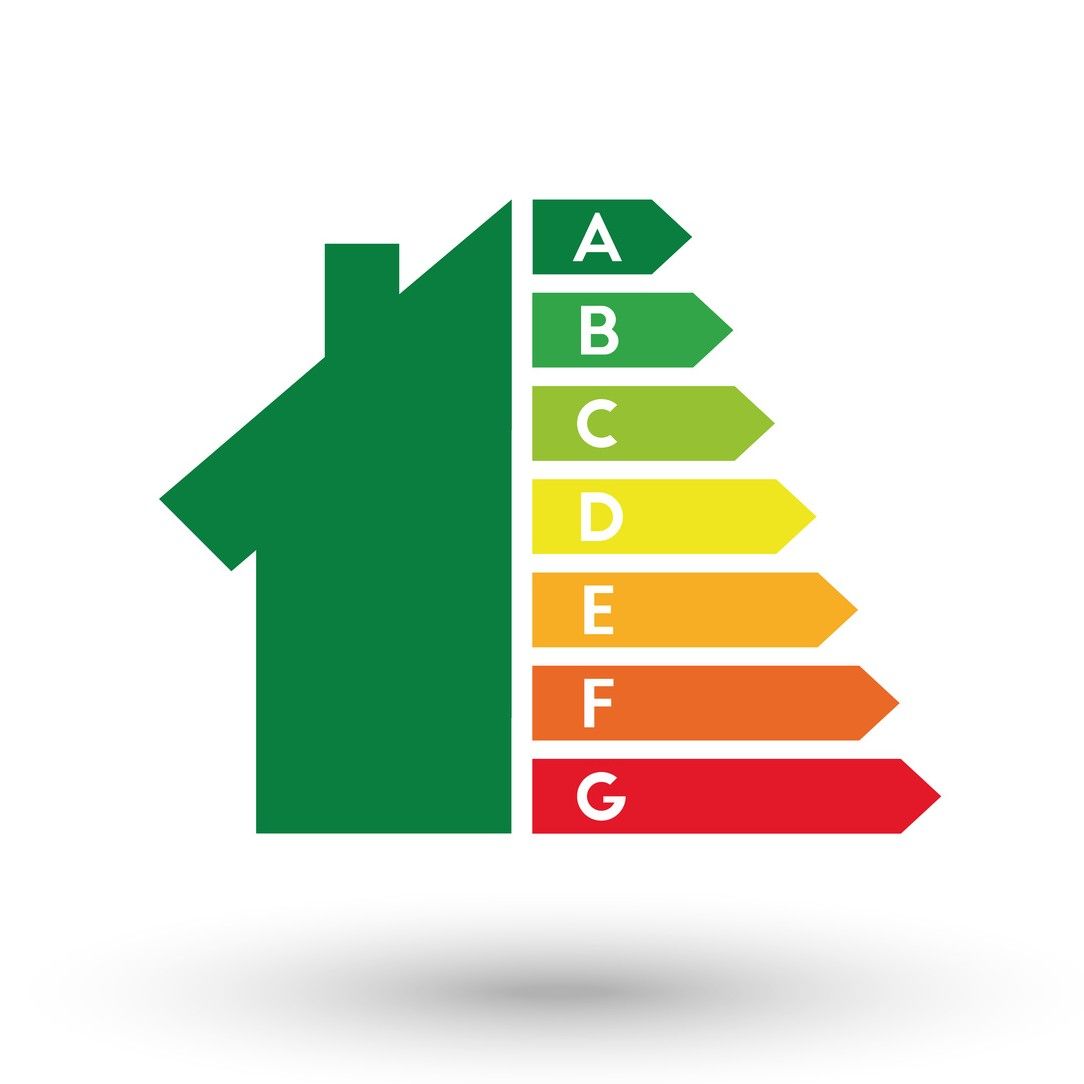
The European Union Ecodesign Directive and theenergy labeling rulescame to instigate the use of special systems to calculate the amount of resources needed to produce, maintain and dispose of each component of an interior, allowing consumers to make more informed and conscious decisions. Furthermore, architects and designers seek to adopt the principles of sustainability in interior design, favoring renewable energy sources and naturally durable materials.
An interior designed according to ecodesign principles is a fluid and illuminated space. Therefore, panoramic windows and plenty of natural light are mandatory requirements.
Likewise, furniture pieces with simple shapes and silhouettes should be prioritized and purely decorative elements should be avoided. The objective is to create an organized interior, where organic elements and sources of natural light generate a feeling of relaxation and well-being.
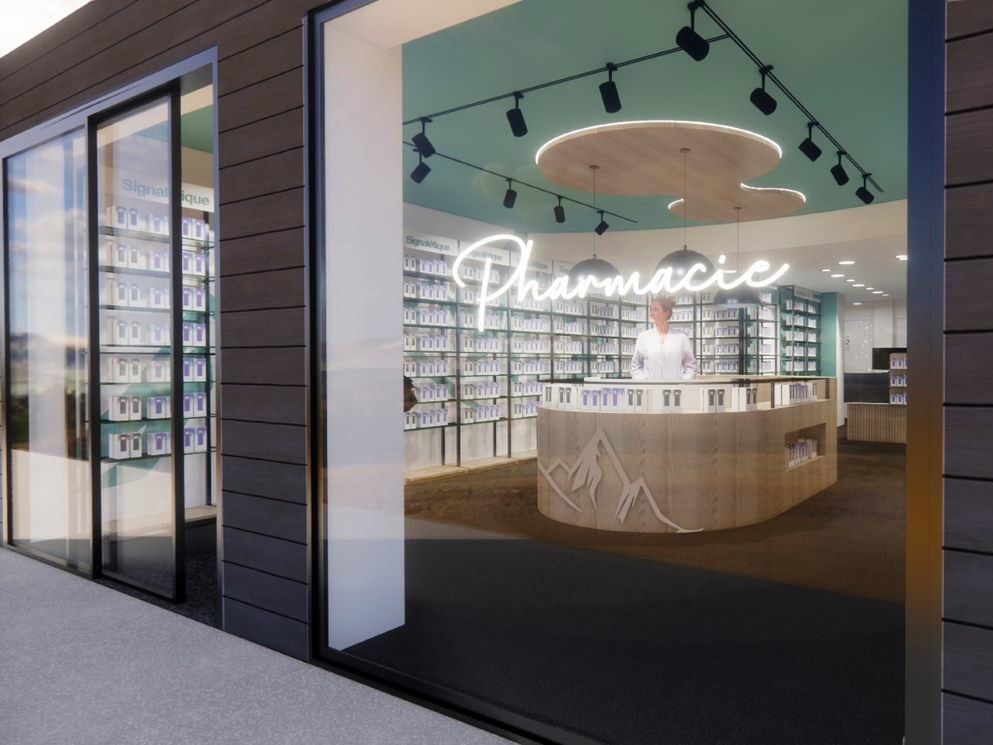
Our team of architects, designers and engineers designs elegant environments and solutions, with the aim of improving the quality of life for patients, families and healthcare professionals. Count on us!
Contact us!
Count on a multidisciplinary team with extensive experience in developing construction and renovation projects. Count on Medd’s professionals to ensure the success of your project. Contact us today!

Find inspiration for your renovation projects. Follow us and stay up to date with the latest news.