Design
Discover the interior decoration trends for 2024
design

Popular and particularly fashionable, minimalism is a concept that has been making waves. From art to the way we view life, minimalism involves reducing “things” to their most basic condition. A trend that has been widely adopted in interior design, especially with regard to the remodeling of spaces dedicated to the provision of services and healthcare. Understand why, in this article!
Generally associated with light, openness, functionality and simplicity, minimalism has been part of the global and collective consciousness since the 1960s, when the hippie movement and the defense of freedom of expression emerged. At this time, minimalism in Interior Design became instantly recognizable for its clutter-free appearance. Emerging as a way to create a sense of calm and visual peace, the minimalist space has a quality of clarity associated with it. Unlike other Interior Design trends, it allows you to highlight elements outside the space, such as the landscape or natural light. Here, functionality is the most important principle of design, where “form” has more relevance than any other design element, with spatial harmony being the ultimate goal of minimalism.
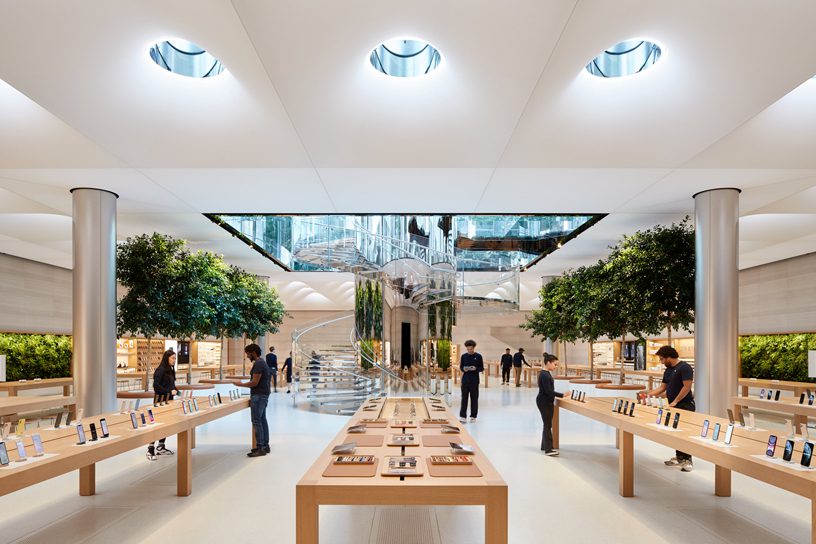
The interior of the new Apple Fifth Avenue – apple.com
Currently, the most popular example of minimalist design will be – perhaps – Apple. In addition to the company logo, Apple stores are characterized by an evidently minimalist design, where consumers are invited to try out electronic devices displayed on empty tables, in a large space, without any shelves or shelves. Instead of placing the entire stock on display, Apple creates a harmonious environment, where the customer is invited to try out the space and devices before making a purchase.
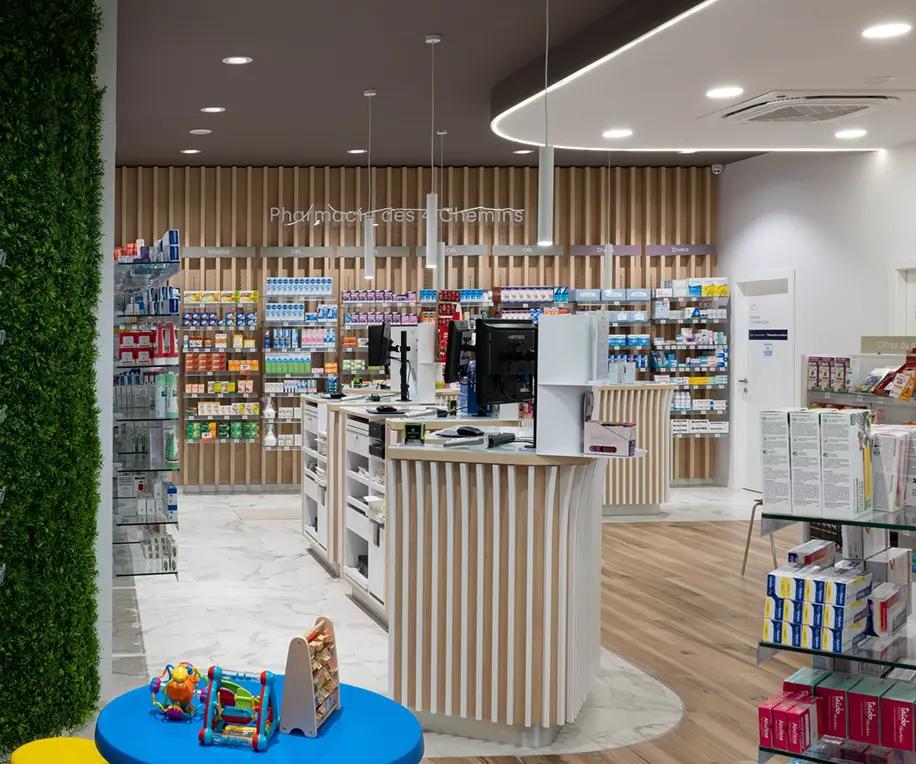
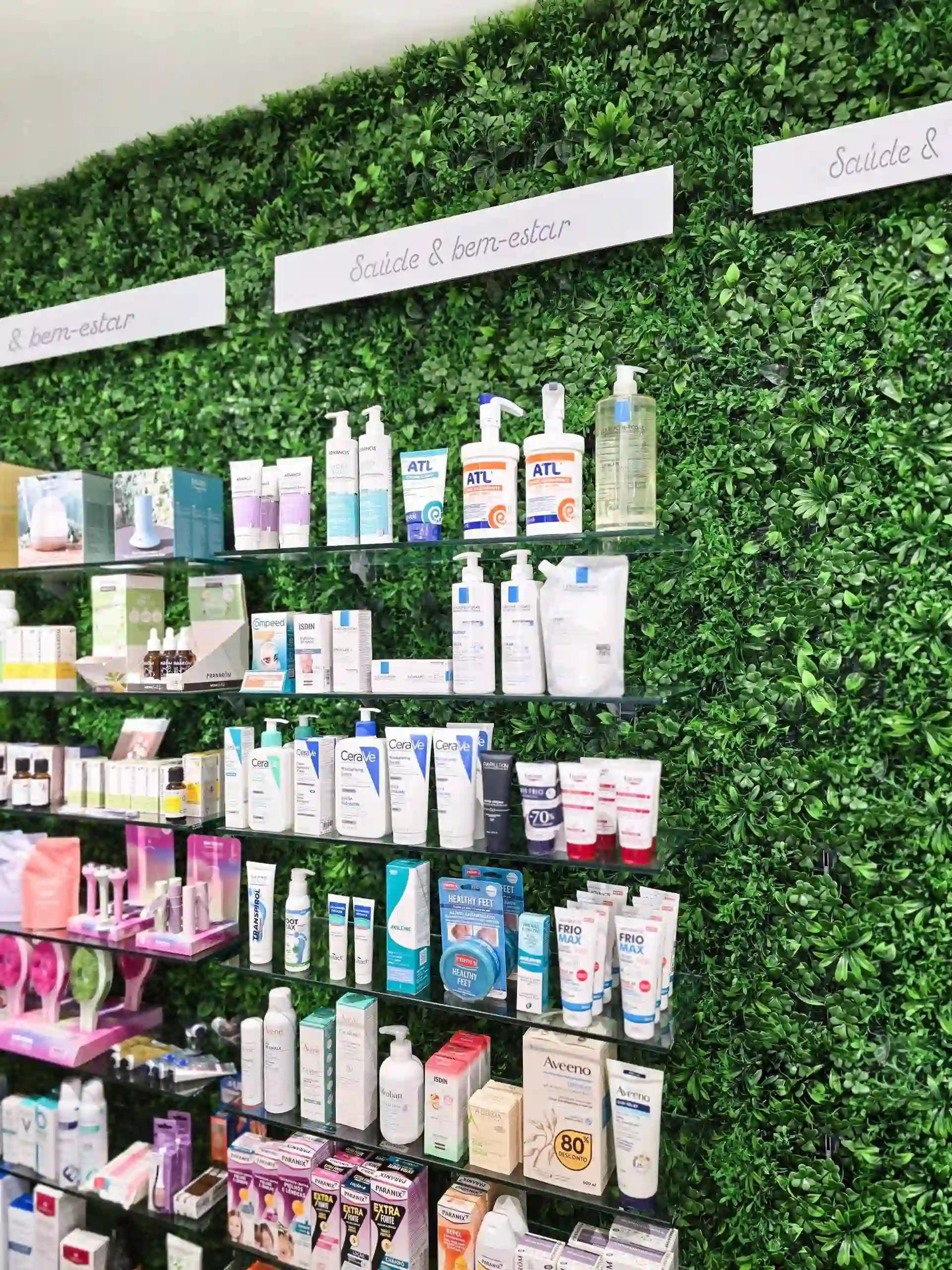
The lighting, color and design of any space dedicated to providing services and healthcare are aspects that have a considerable effect on the way the user feels. Recent studies even state that creating a relaxing and meticulously organized environment is an effective way of reducing stress levels, both for healthcare professionals and users. The truth is that clutter and lack of light are sources of anxiety and depression. On the other hand, an excessively lit environment can create added pressure for the user, while an excessively decorated room can cause claustrophobia and discomfort. Likewise, a poorly executed layout can lead to losses in productivity and a lack of effectiveness for healthcare professionals.
Thus, minimalism is a trend that aims – fundamentally – to give Interior Design a functional characteristic with practical effects on the well-being and mood of those who use healthcare spaces.
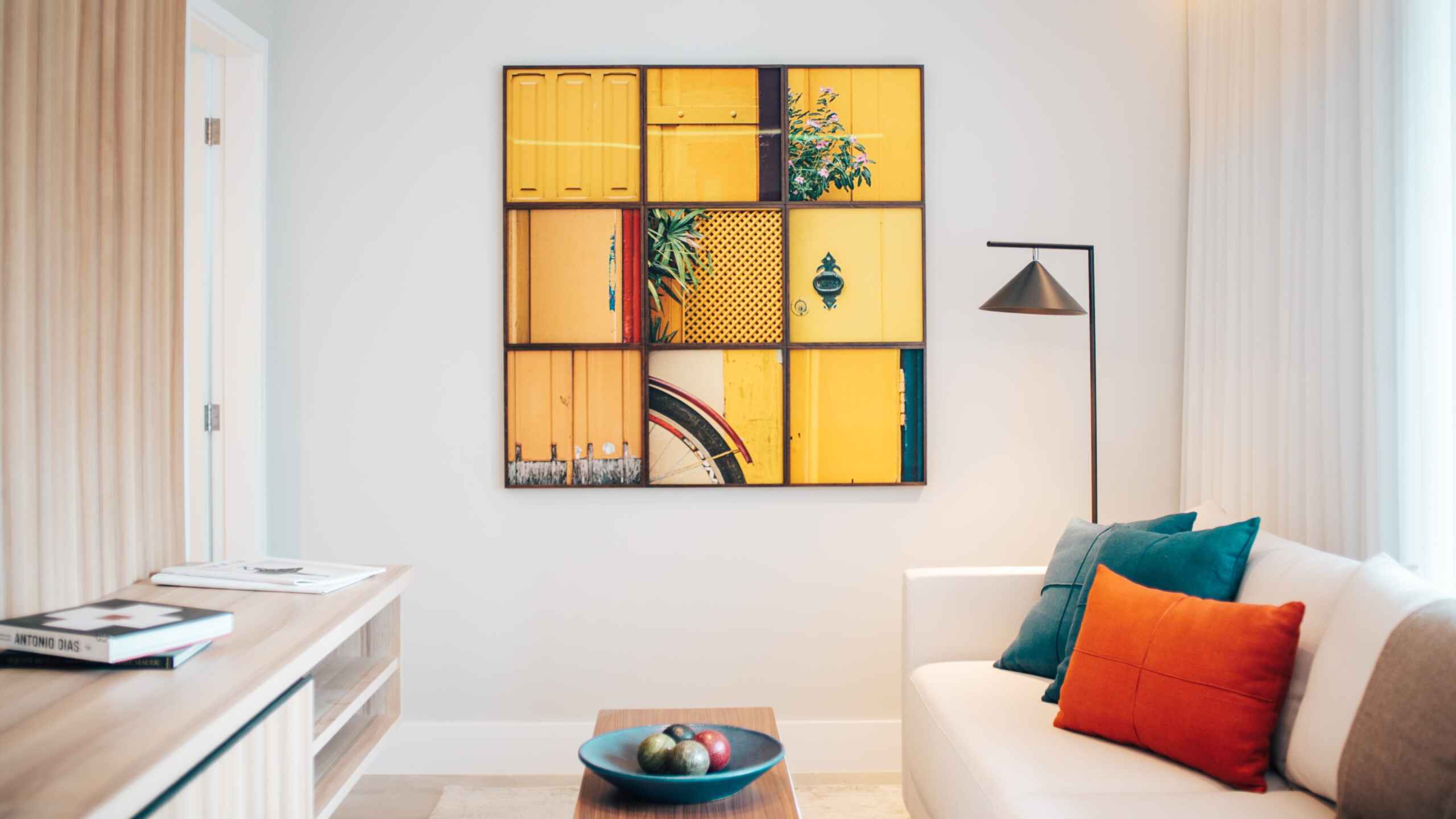
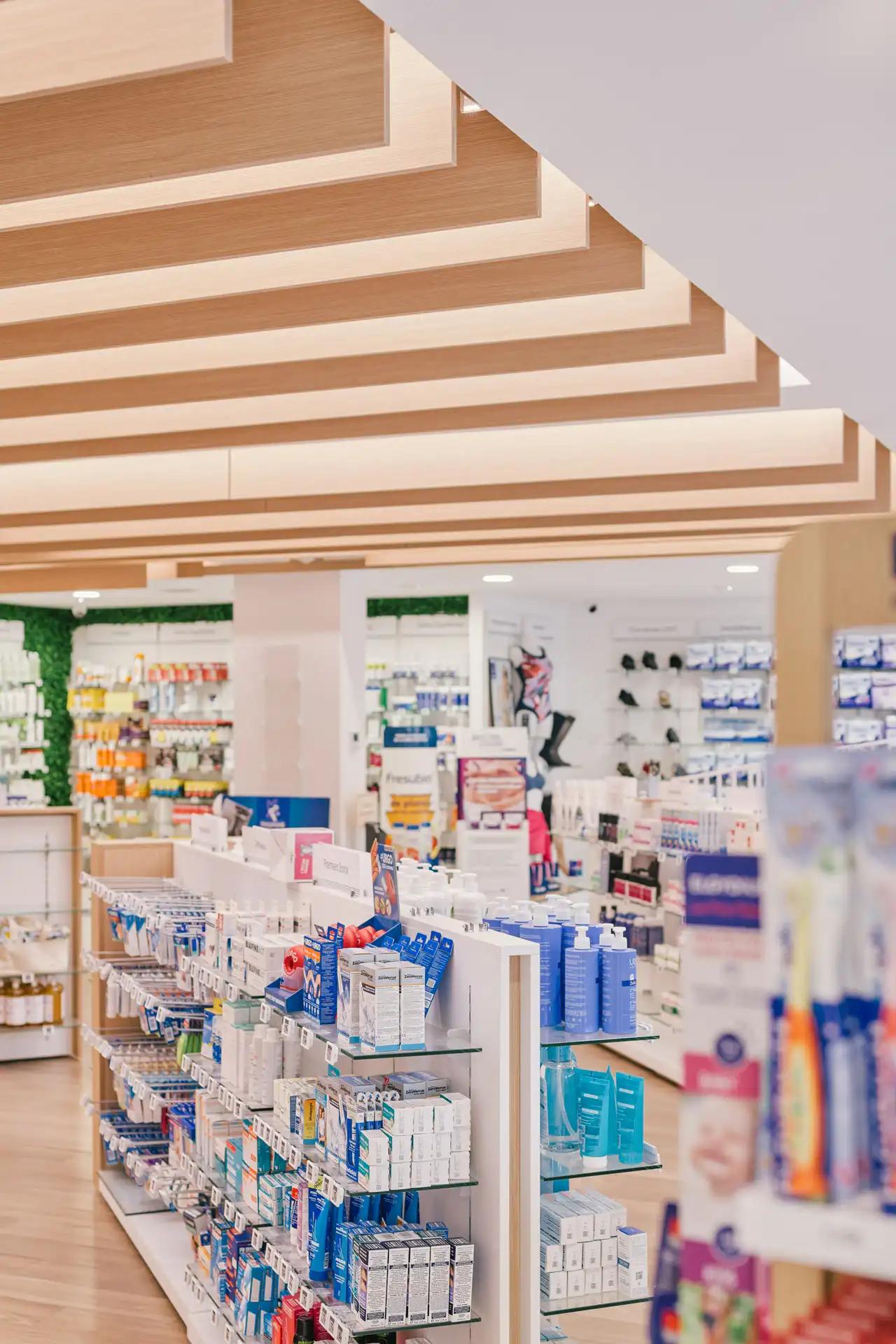
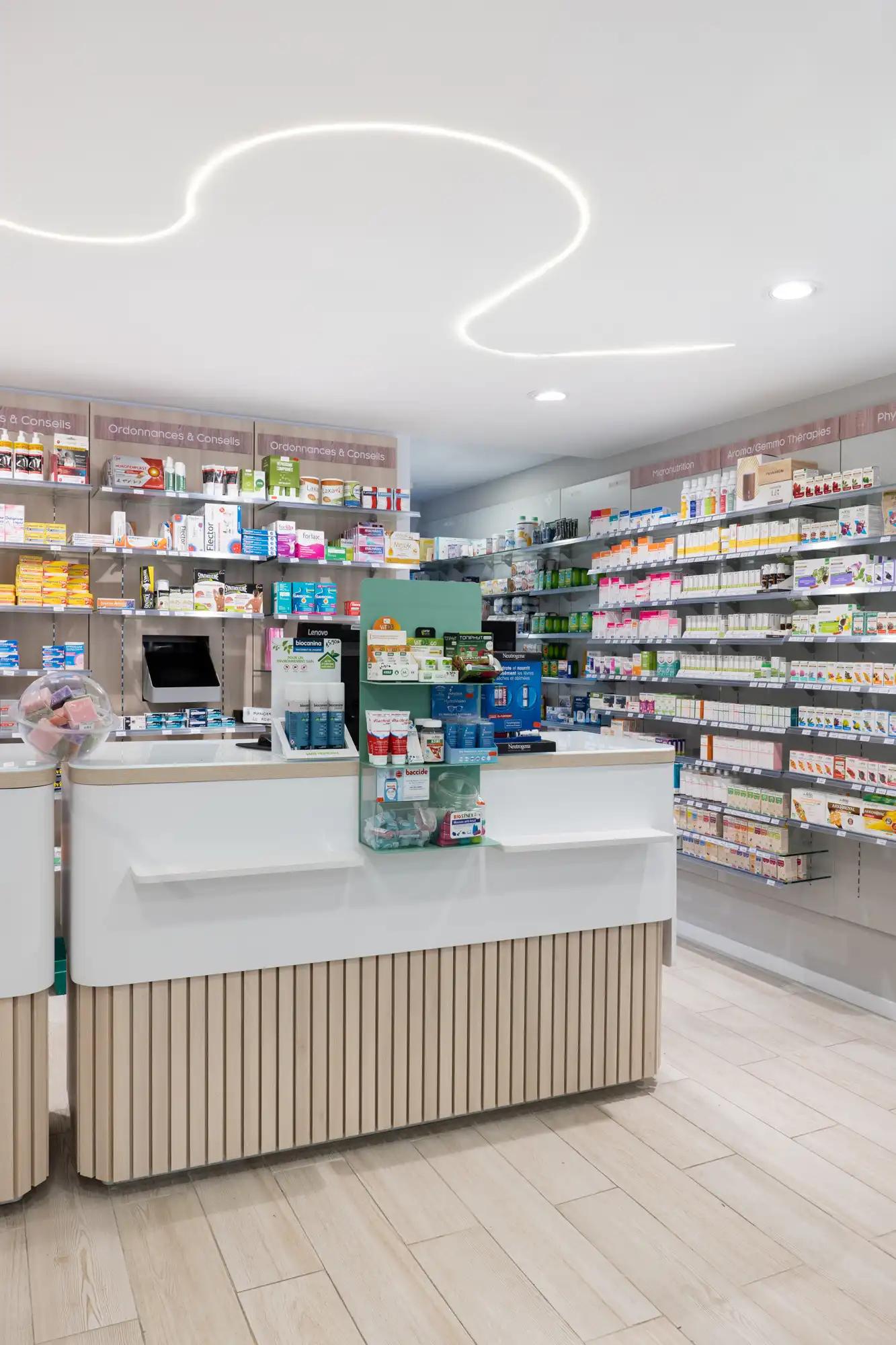
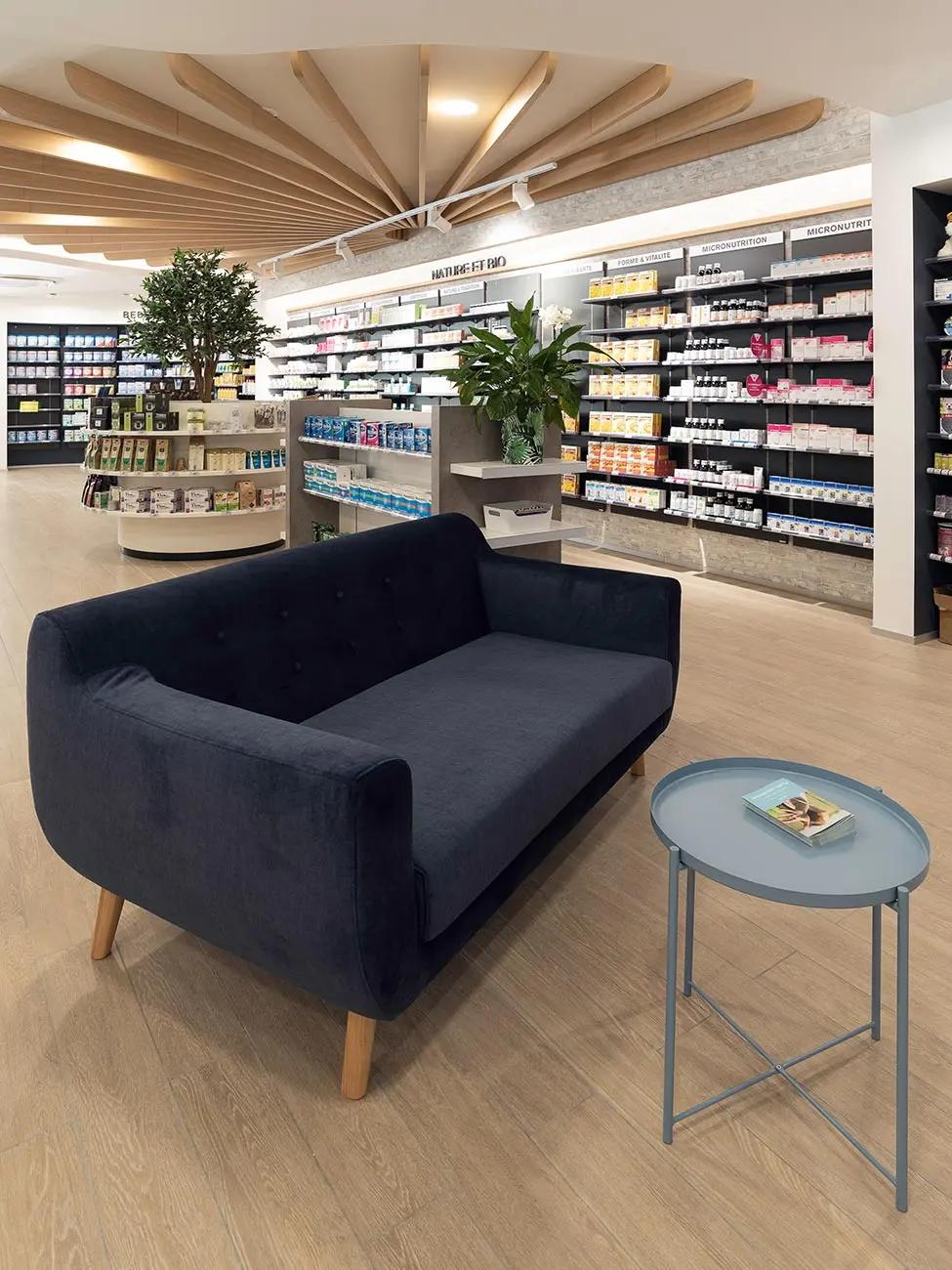
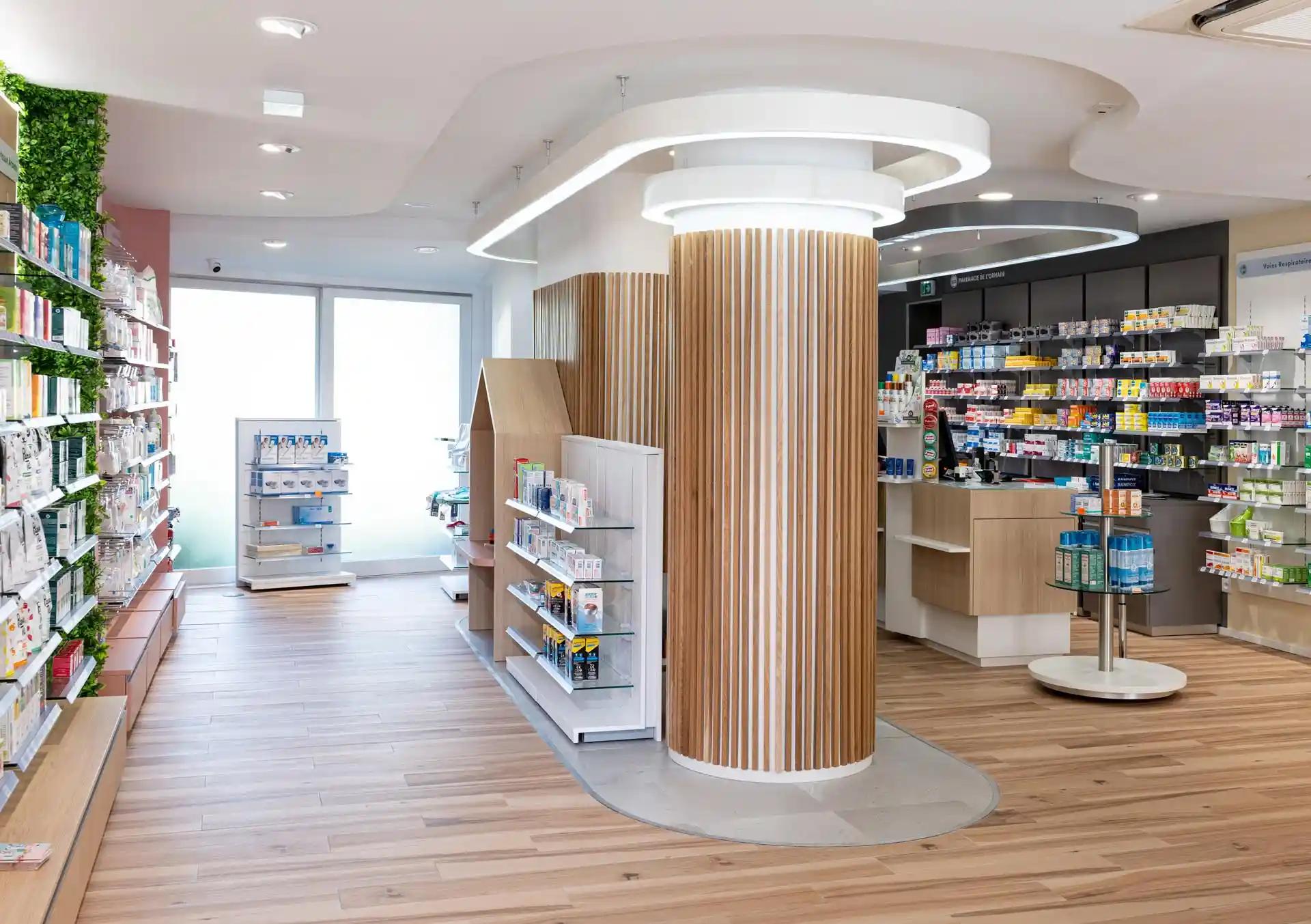
When talking about minimalism, furniture and decorative accessories generally focus on functionality and practicality. Flat, smooth surfaces combined with strong, bold lines create focal points of interest that emphasize the dimension and function of the room. Here, there is no room for highly standardized accessories or very detailed ornaments. In minimalism, the focus is on simplicity and harmony of forms.
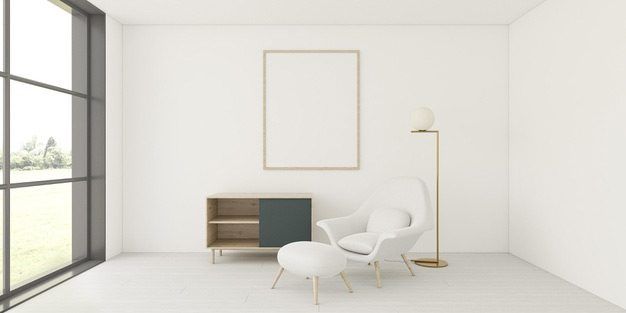
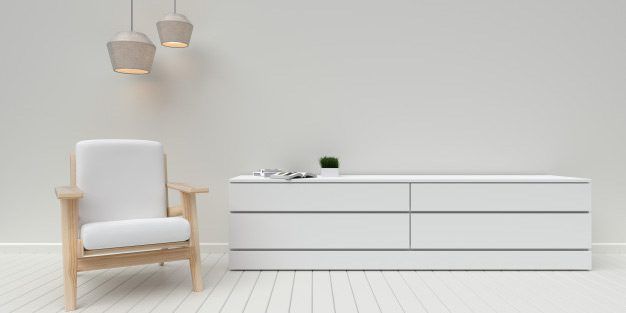
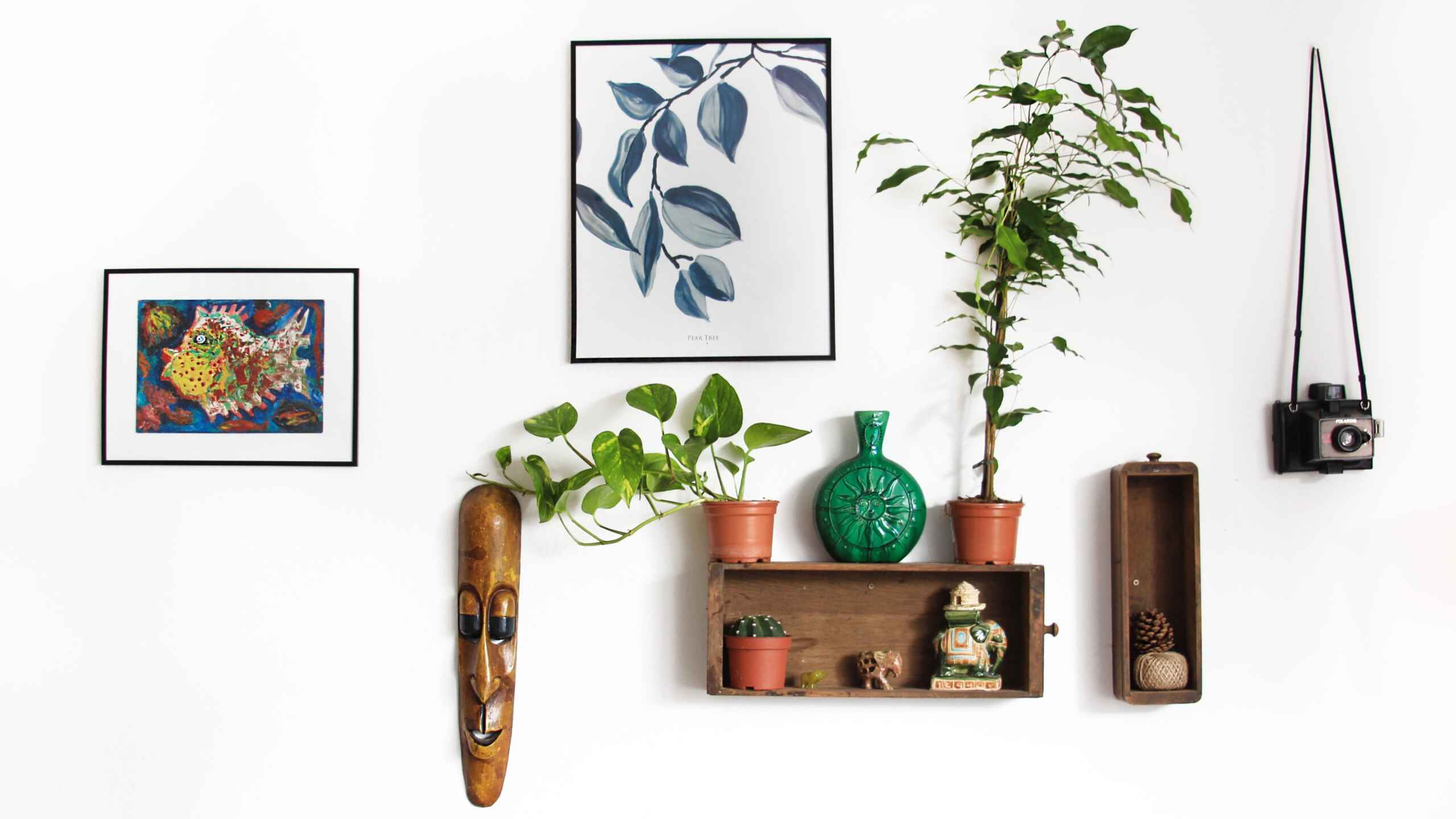
A minimalist approach requires a moderate use of decor elements. In minimalism, less is more. That is, when choosing materials or selecting technical furniture for healthcare units, it is essential to avoid excessive ornamentation or the installation of irregular surfaces and elaborate textures. Instead, the few details of Minimalist Design should be discreet and integrate harmoniously into the layout of the healthcare space. In this sense, pieces of art or decorative items such as vases or side tables will be accepted.
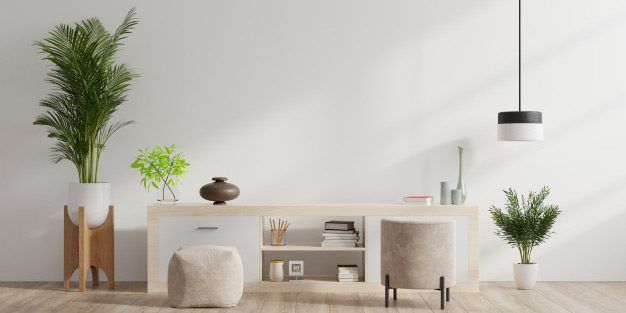
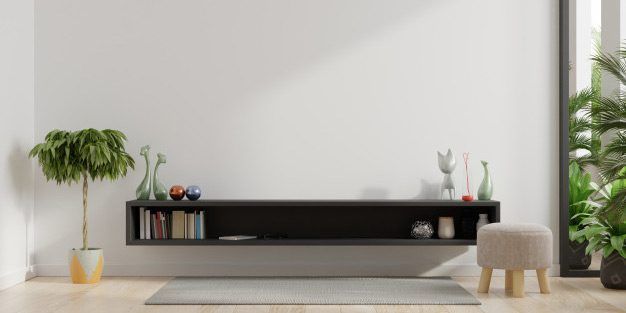
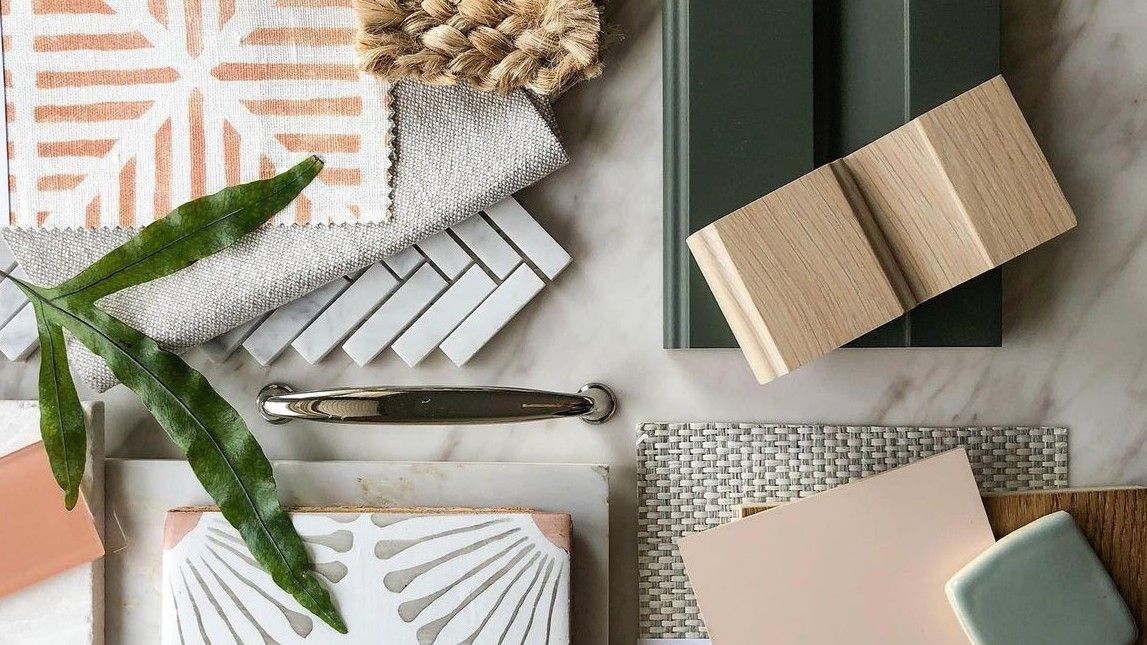
Typically, minimalism in Interior Design is translated into the use of a monochromatic color scheme, consisting of beige, gray or white. Since the objective of this approach is to reduce the visual noise of the space, neutral colors and natural tones are the predilections of those who opt for minimalism. However, in order to give greater interest to a typically modest environment, such as those dedicated to the provision of healthcare services, more and more interior designers are beginning to use strong colors, softened by nude tones and aqua tones.
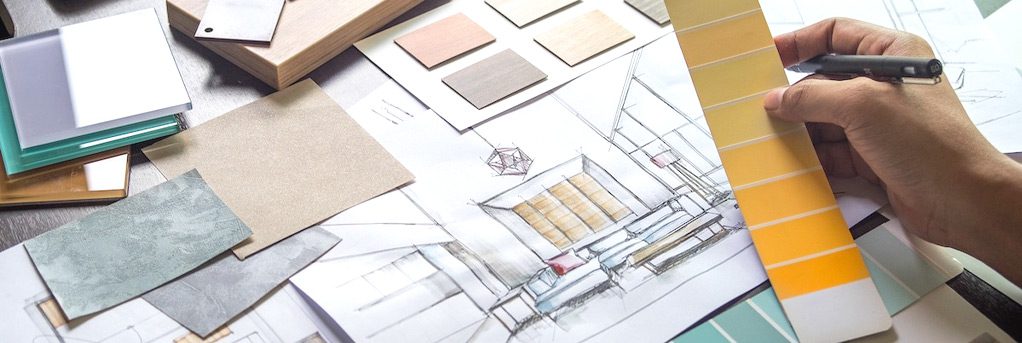
Although minimalism is generally associated with a modern and contemporary aesthetic, it can be present in classic or traditional spaces. As long as there is harmony and visual clarity, minimalism can be combined with any design style. Therefore, regardless of the size or function of the space, the essentials must be visible to the eye, without too many furniture, accessories and bright colors that do not match or complement each other. The final appearance of minimalism must translate into an organized, clean, sophisticated and elegant environment, perfectly functional and harmonious.
Count on a multidisciplinary team with extensive experience in developing construction and renovation projects. Count on Medd’s professionals to ensure the success of your project. Contact us today!

Find inspiration for your renovation projects. Follow us and stay up to date with the latest news.