
Design
Discover the interior decoration trends for 2024
design

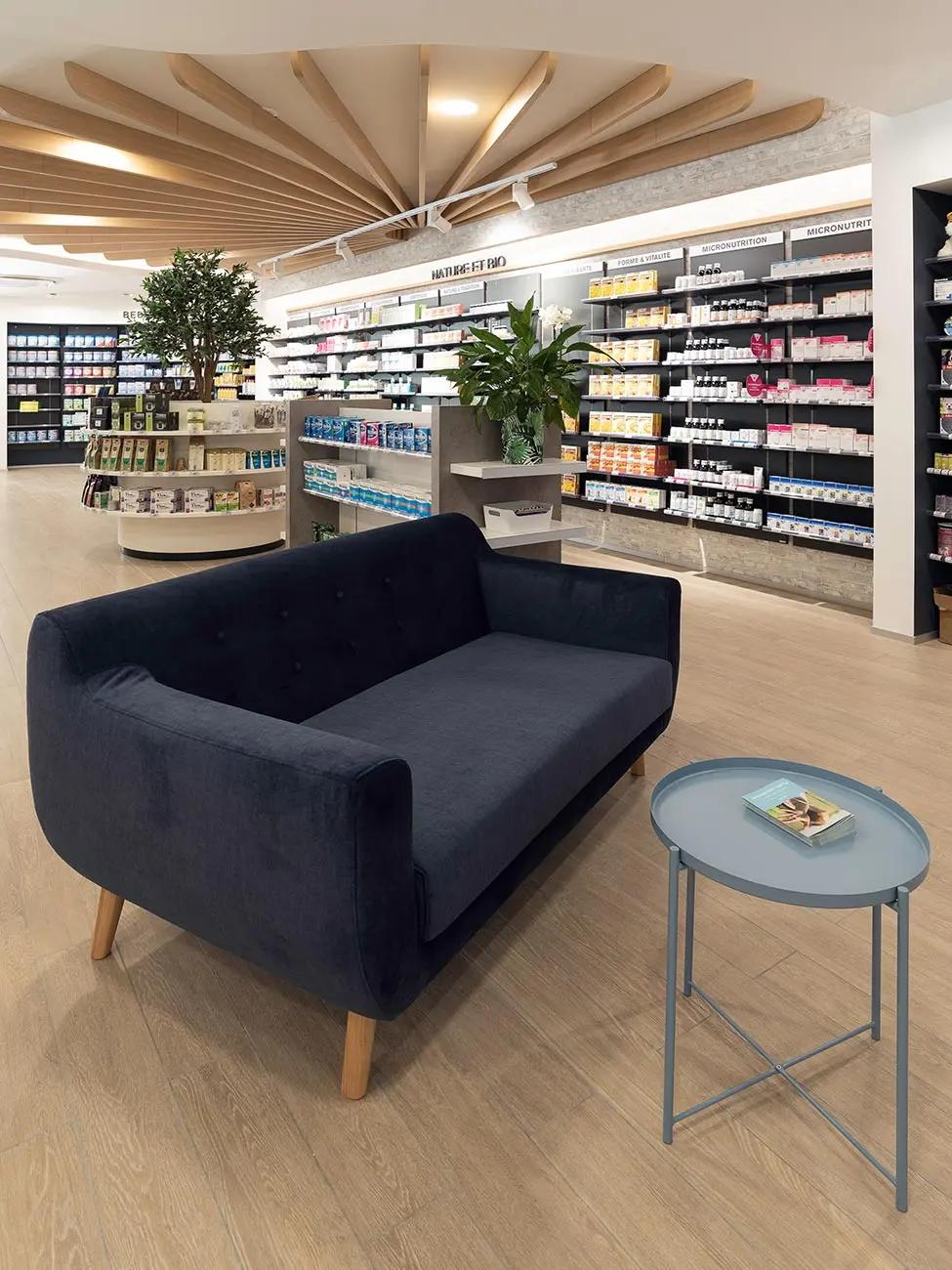
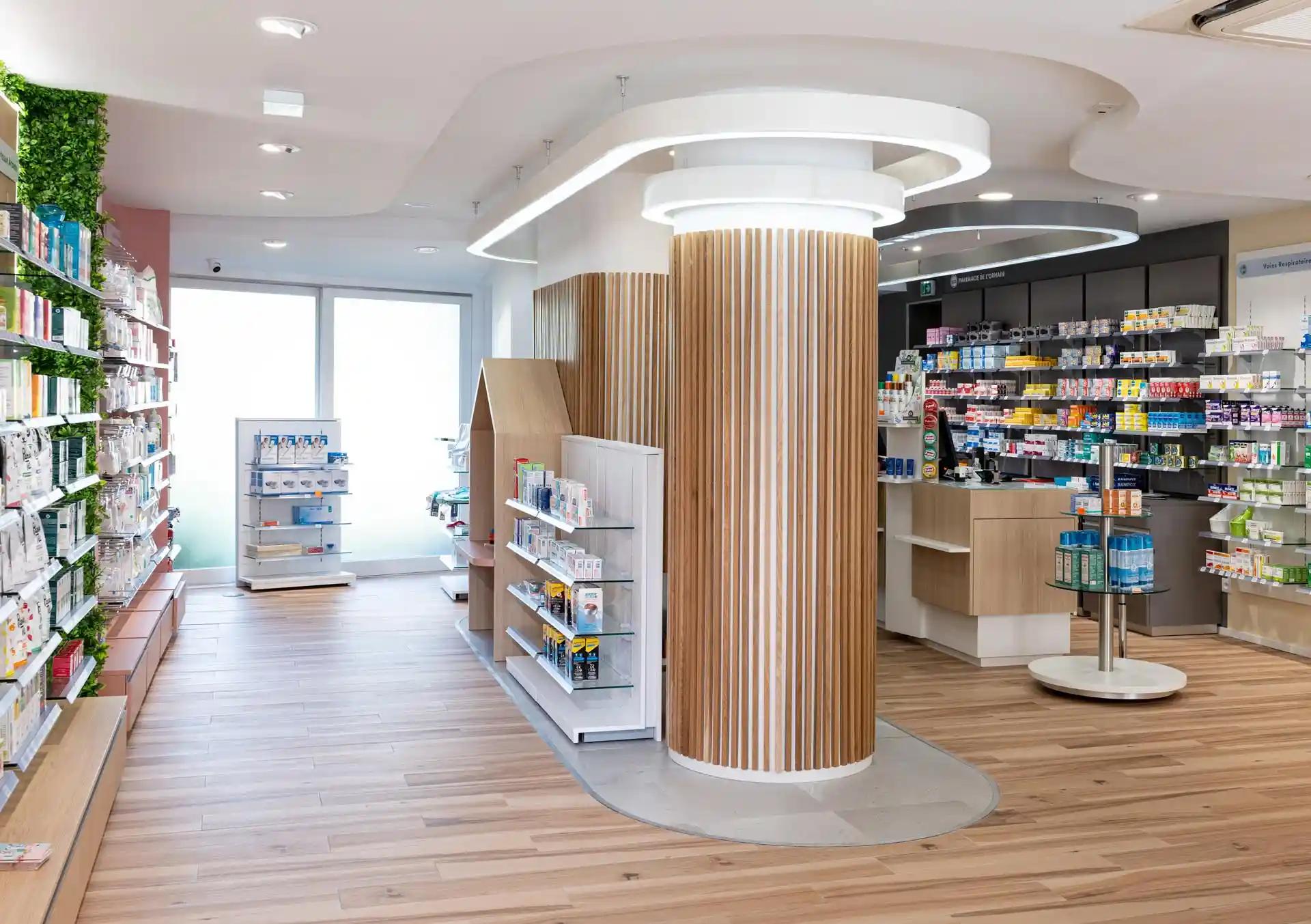
When applied correctly, Sensory Architecture has the potential to make interactions with your customers truly meaningful and relevant. More than capturing the attention of those who enter a commercial space, Sensory Architecture aims to maintain a high emotional involvement, through the stimulation of sensations. However, since this type of strategy focuses exclusively on the consumer's emotions, it is necessary to know the information that each sensory stimulus transmits and explore the true power of the five senses. Discover everything in this article!
It is no surprise that the variable most used by brands to generate recognition is the sense of vision. In fact, vision is considered the most prominent of all the senses. The experience caused by the vision is so significant that it extends to all points of contact with the customer, from the design of the space to thebrand identity.
As part of a differentiation strategy, stimulating the sense of vision is essential, especially after the arrival of the Digital Era. Today, the public is bombarded with visual content, regularly and constantly. In addition, 90% of the information that reaches the brain is visual and we all have an innate psychological resonance with this type of content. Therefore, exploring the visual sense is crucial to the success of any branding strategy.
Another important aspect of Sensory Architecture is touch. The physical impression of the space creates a feeling of ownership that triggers more assertive purchasing decisions. In addition to this, scientific studies prove that, in a generalized way, touch releases the so-called“love hormone”, also known asoxytocin, leading to a feeling of well-being and happiness.
Now, this potential of touch has led more and more marketing professionals to invest in a strategy centered on the in-store experience and product presentation. Nowadays, it is common to find unpackaged products on store displays, just think of the well-known French chain of stores FNAC or the Canadian cosmetics manufacturer M.A.C.
In fact, we have the recent example of Google. Opened on June 17, 2021, Google's first physical store is a perfect illustration of Sensory Architecture. A space designed to offer visitors a“manual interaction with Google’s lines of devices and services”, the store located in New York is a model of what it really means“putting the consumer experience first”. A strategy that is reflected in all of the company's actions, as stated by Google's Vice President of Subscription Services, Jason Rosenthal, in aonline publishing:
“…we wanted our first store to reflect the same approach we take in designing our products… the result is a space that we believe is warm and inviting, while providing new ways to celebrate and experience Google.”
The touch experience suggested and provided by the space serves as a stimulus to the physical memory of the visitor who immediately finds himself including a certain product in his daily routine and day-to-day life.
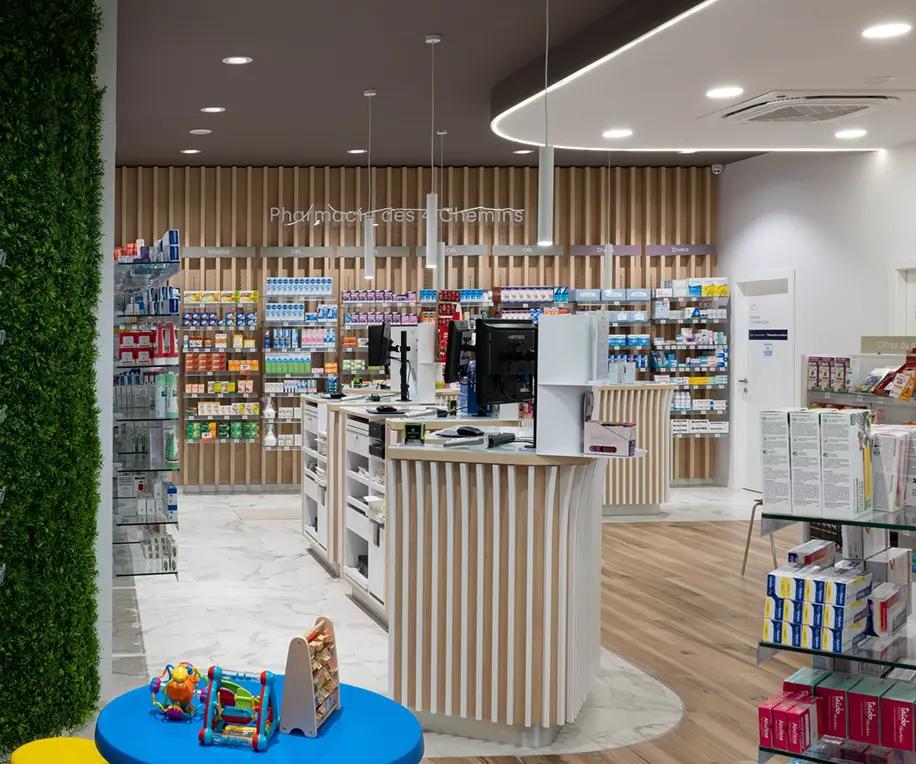
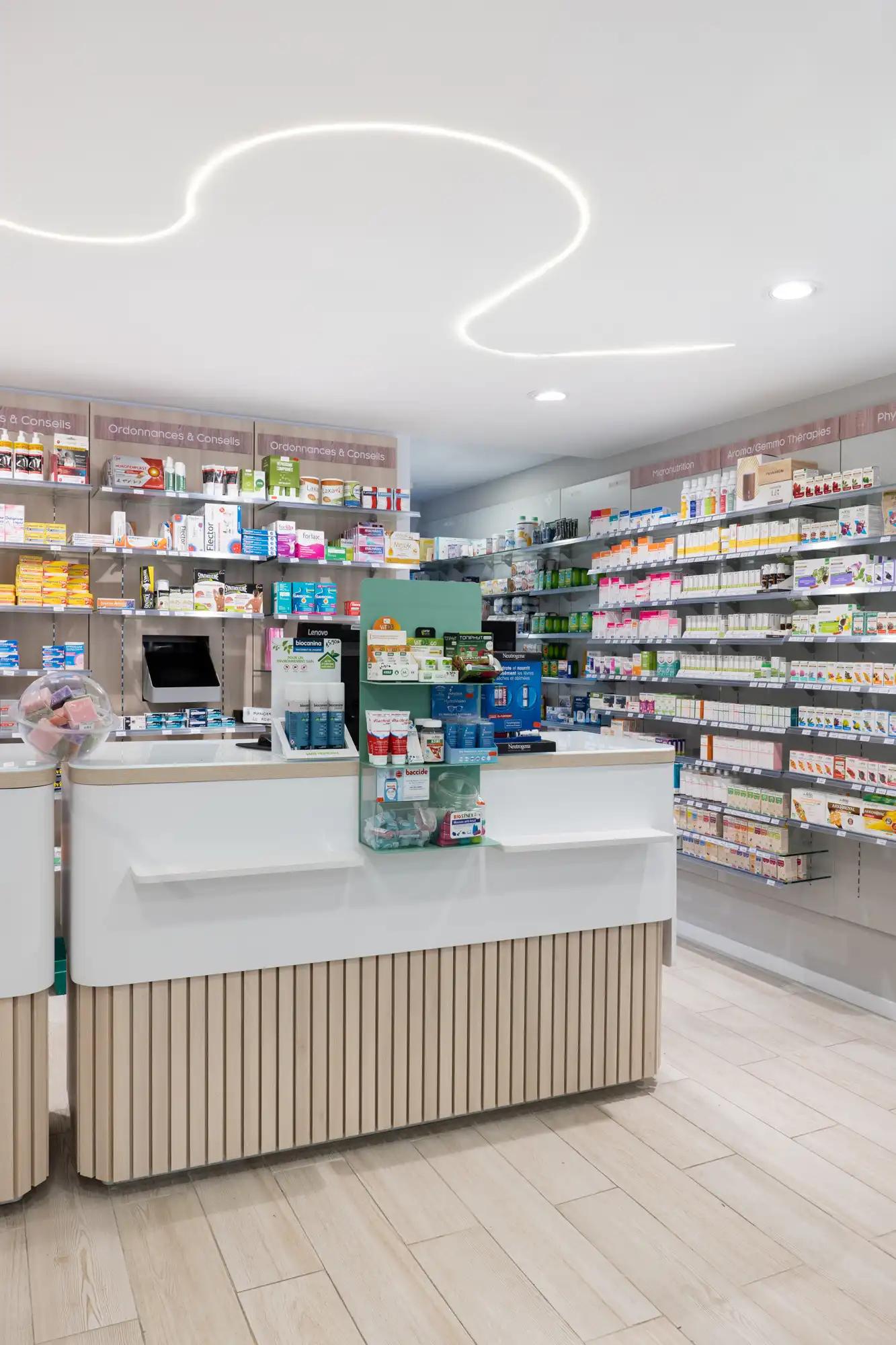
The user is influenced not only by what they see, but also by what they hear. However, unlike the sense of sight, sound takes multiple and different forms in architecture, design and advertising. The reality is that poor acoustics tend to distract users' attention. This is why more and more professionals are considering“invisible architecture”of the sound. With the acoustic requirements guaranteed, the occupants' perception is immediately invaded by a feeling of warmth and privacy, essential in clinical or pharmaceutical offices.
In addition, the use of ambient music in closed spaces has the main purpose of evoking happy memories in the user and encouraging them to buy. It is no surprise that in the stores of the North American lingerie giantVictoria's Secret, you listen to classical music. Here, the objective is to make the consumer feel immersed in a truly unique and exclusive shopping experience.
Unlike what happened years ago, today, the emphasis is on creating solutions centered on the consumer experience and, as such, the power of smell has been increasingly recognized.
Today, it is common to enter a commercial space and smell the particular odor of the materials, accessories andfurnitureselected. We talk about the unique smells of oak, cedar, pine or the peculiar aroma of terracotta. Elements that have the potential to encourage consumers to stay longer in the store, encouraging more impulsive and passionate consumption behaviors.
This use of the sense of smell is so fruitful that it has become common to enter large commercial establishments, such as hypermarkets, and smell the smell of freshly baked bread. Now, this doesn't happen by chance. An example of this is the famous North American donut manufacturer –Dunkin' Donuts. The brand is known for emitting a coffee smell in its stores, while its corporate jingle plays. But this is not the only example!
This practice extends to other corporate and commercial spaces. Certain aromas such as mint, lemon, cinnamon, orange or rosemary are beginning to be used to increase the productivity levels of work teams or increase the affinity levels of visitors towards the space. Furthermore, there are more and more aroma distribution systems, such as candles, incense or electric diffusers, available to anyone who wants to experience the wonders of Sensory Architecture.
Nodeinterior design, the sense of taste is the least tangible of the five senses. However, in evolutionary terms, the sense of taste has been the most important for the survival and evolution of the human species. It is precisely the sensation of alarm and repulsion that derives from taste that allows humans to recognize and avoid harmful foods and toxic substances. Likewise, studies show that flavors"candy"or“pleasant”stimulate the release of natural opiates (endorphins) in the brain, substances responsible for inciting sensations of well-being and pleasure that reduce the perception of pain. Therefore, when designing commercial spaces, stimulating the sense of taste can definitely guide the visitor's state of mind, allowing them to relax and stay longer inside.
Our team of architects, designers and engineers designs elegant environments and solutions, with the aim of improving the quality of life for patients, families and healthcare professionals. Count on us!
Contact us!
Count on a multidisciplinary team with extensive experience in developing construction and renovation projects. Count on Medd’s professionals to ensure the success of your project. Contact us today!

Find inspiration for your renovation projects. Follow us and stay up to date with the latest news.