Management
Project Management: what does it consist of?
management

To promote the independence of older people in specialized healthcare units, it is essential to understand the problems that arise with aging. Discover how to design interiors that can improve the quality of life and well-being of seniors in this article!
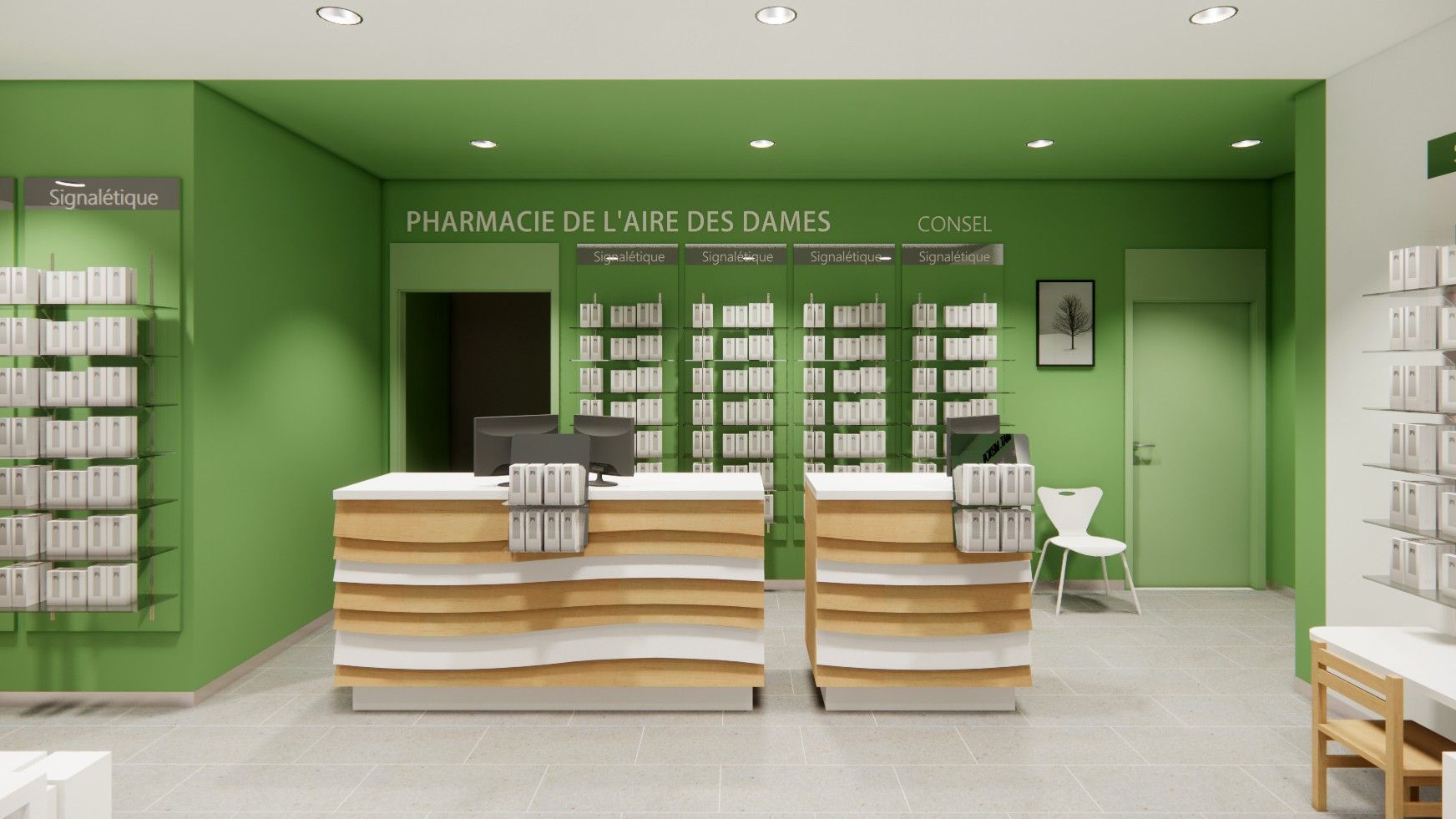
Although everyone goes through the aging process differently, there are a number of issues that we all have to deal with. On the one hand, vision deteriorates. Everything seems more monochromatic, so more intense tones and contrasts are needed to distinguish things. Additionally, our field of vision narrows and visual orientation changes drastically. This means that it is necessary to implement a cohesive signage system, especially in healthcare units.
Users must be able to quickly and easily read the signage, reducing anxiety caused by disorientation. This must be simple, clear and legible, with strong contrasts and good lighting.
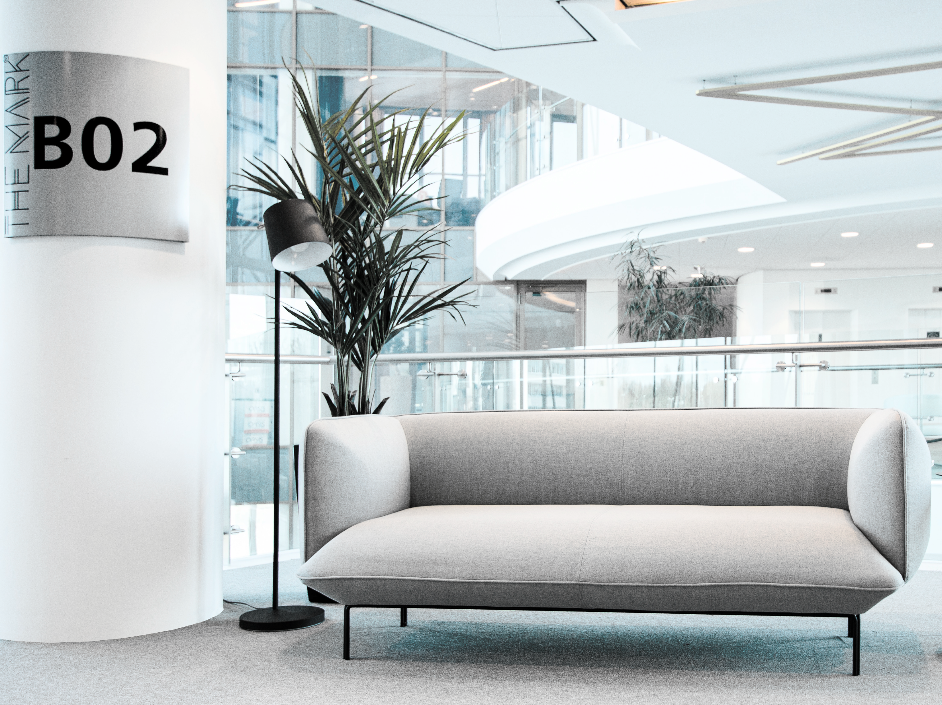
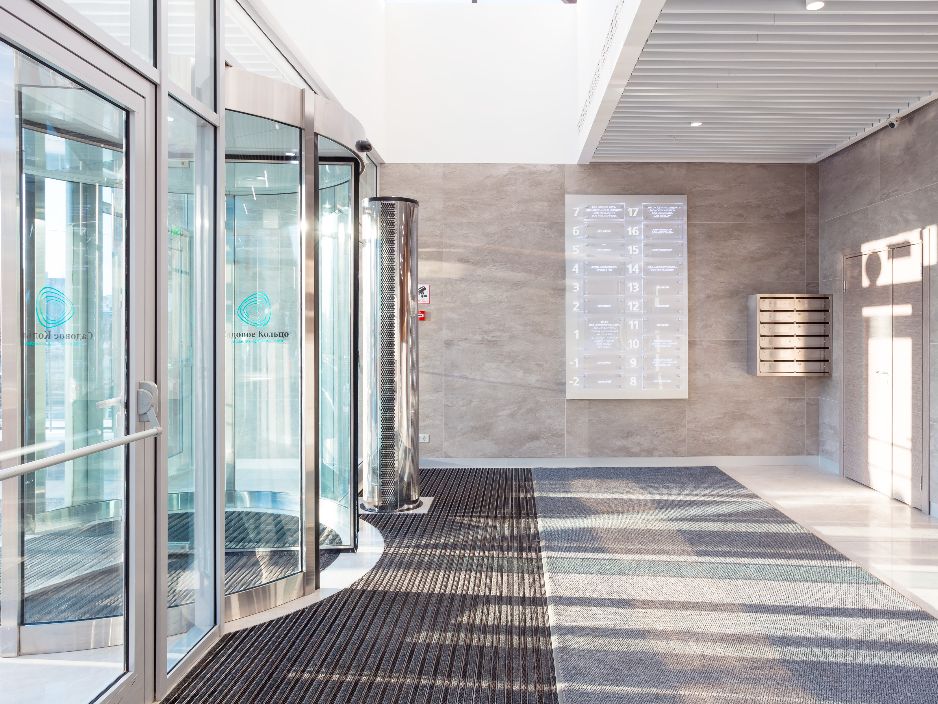
It is known that the mobility of elderly people tends to be reduced. Muscles become weaker, which requires the use of assistive devices such as canes or wheelchairs. The design of healthcare units must include handrails to support movement and elevators to facilitate changing floors. Ramps and steps should be designed with a gentle slope to increase user comfort. Likewise, the main entrances must have automatic opening systems, to promote the autonomy of the elderly.
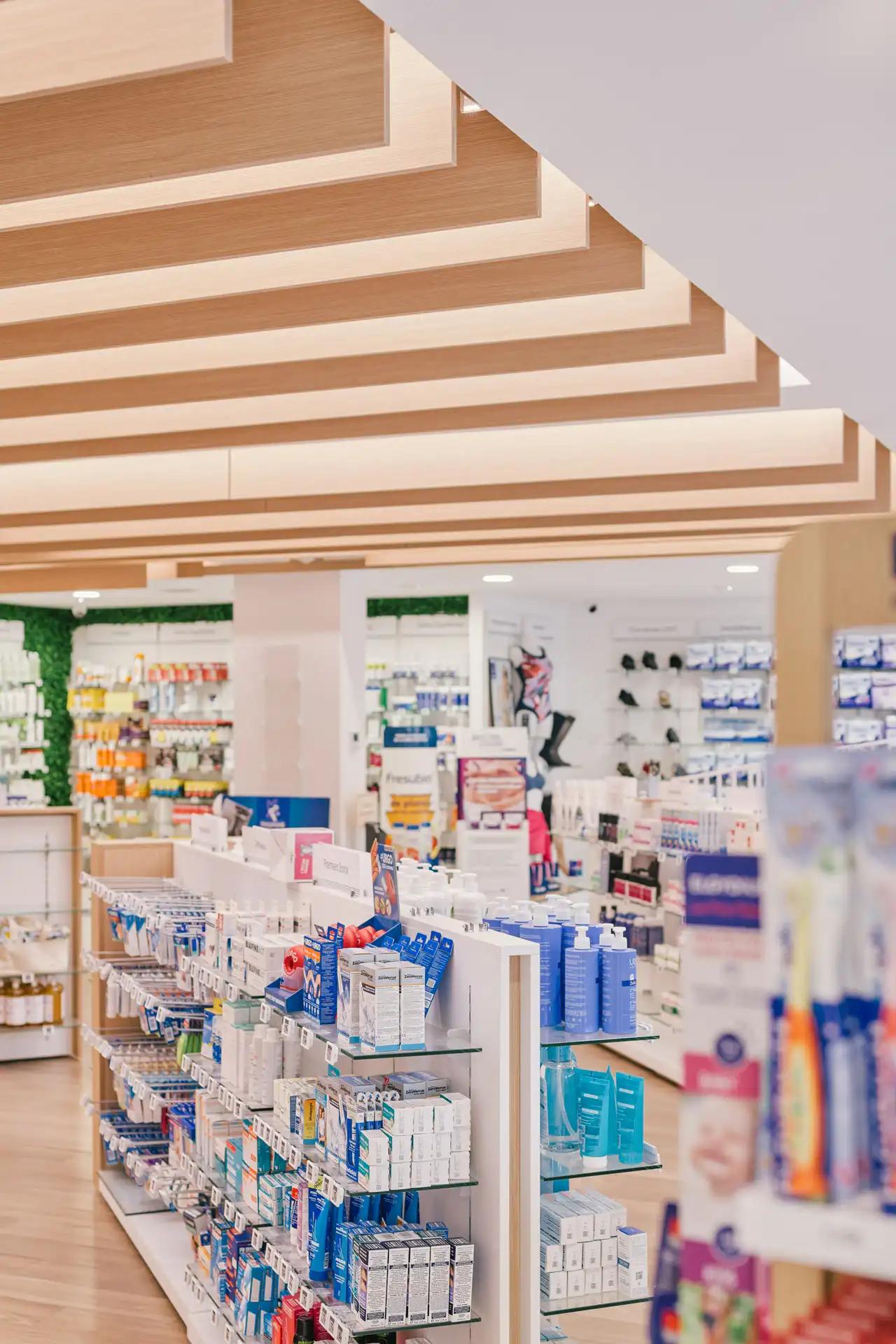
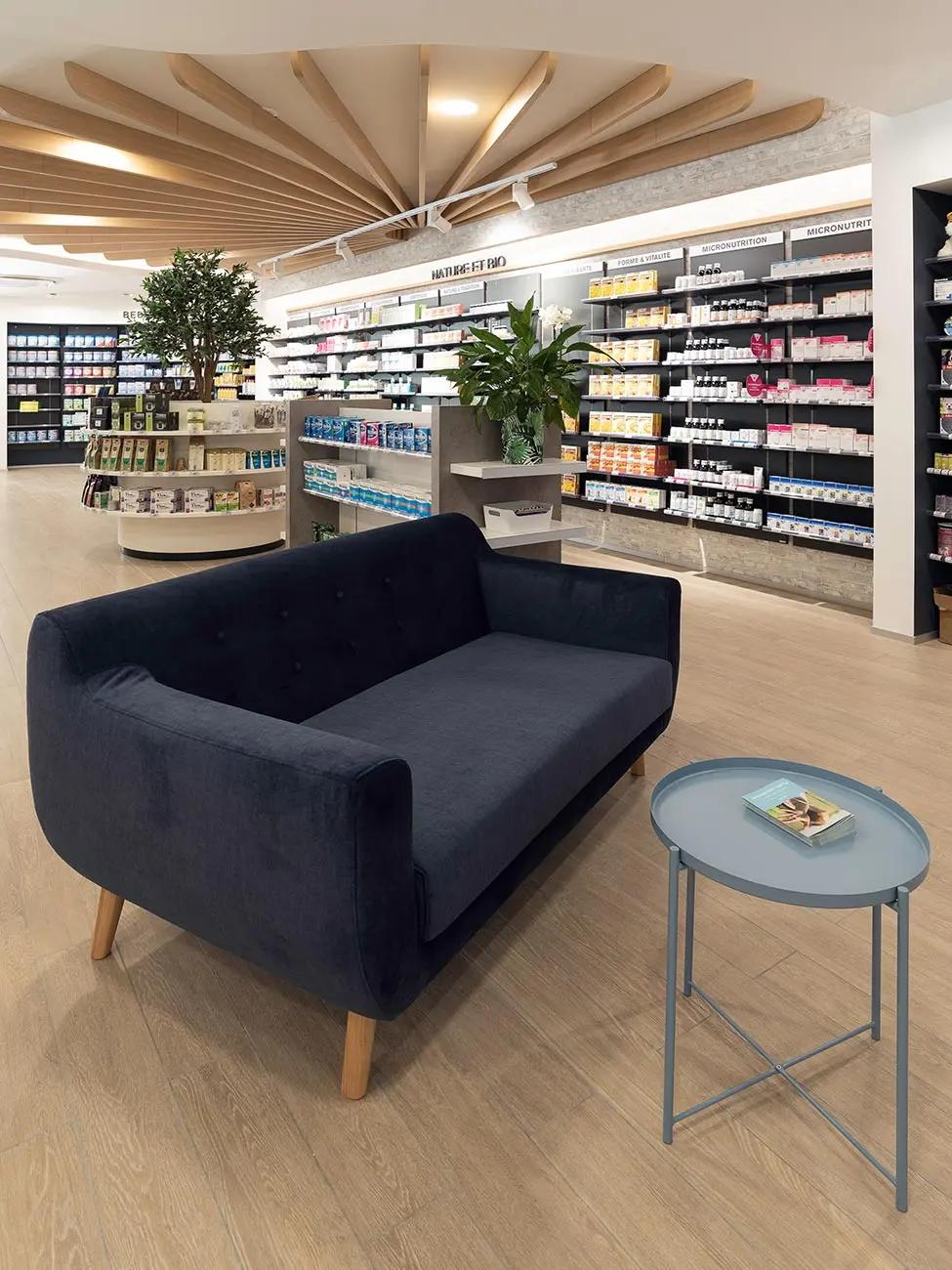
Another way to ensure the comfort and safety of older people in specialized healthcare units is to ensure the ergonomics of the space and furniture. In waiting rooms, for example, it is recommended to select chairs or benches with armrests to encourage the elderly's autonomy. Space must also be reserved for walkers and canes, next to chairs and benches, with visual cues to facilitate orientation.
The floor must be as non-slip as possible, especially in bathrooms and corridors, to reduce the risk of falling. Opting for coverings such as vinyl, linoleum or carpet can be a good option, as they provide good cushioning.
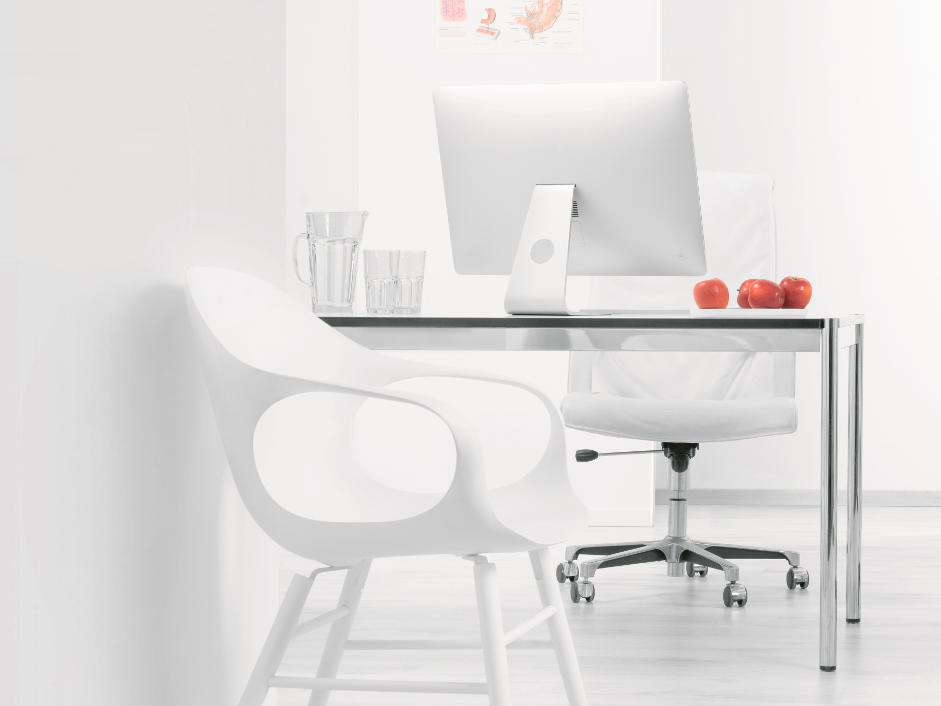
In health units, the design of care rooms and/or wards must consider the physical needs of the elderly person. For your well-being and safety, it is recommended to install beds and armchairs with rounded ends to avoid accidents.
Another important element is visual contact with nature. In recent years, science suggests that connecting with nature helps improve the mood and concentration of space users, as they have a visual preference for natural forms. In this regard, Roger S. Urlich, Professor of Architecture at the Center of Healthcare Building Research, in Sweden, released a study that demonstrated that patients installed in rooms overlooking a natural landscape recovered more quickly and needed less painkillers than others. As such, providing visual contact with nature in treatment rooms, wards or rest rooms helps ensure consistent levels of well-being and comfort.
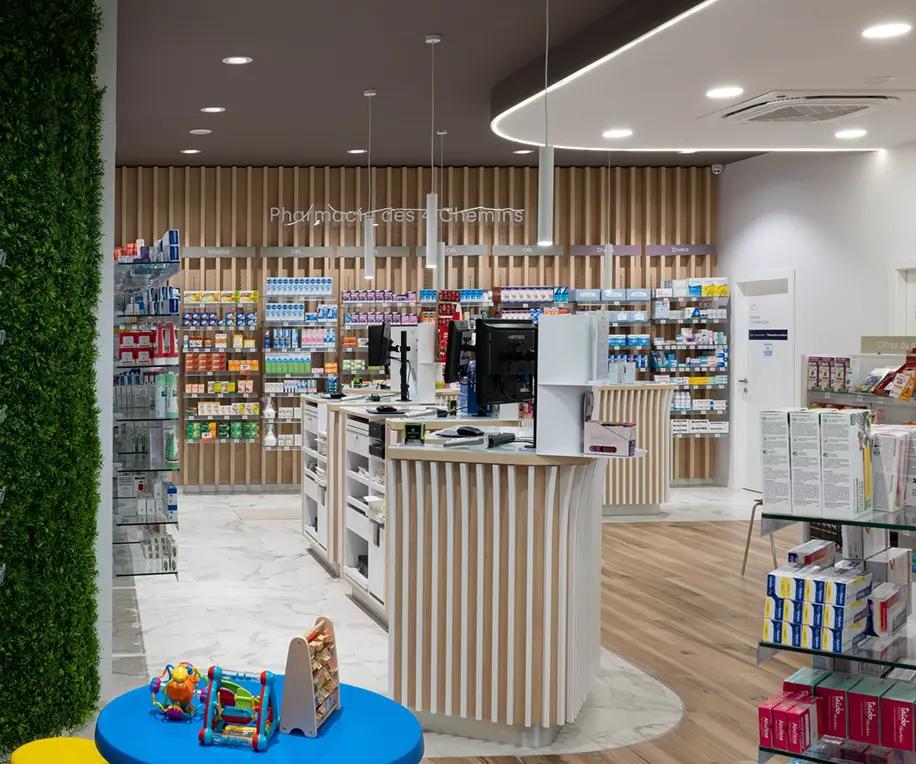
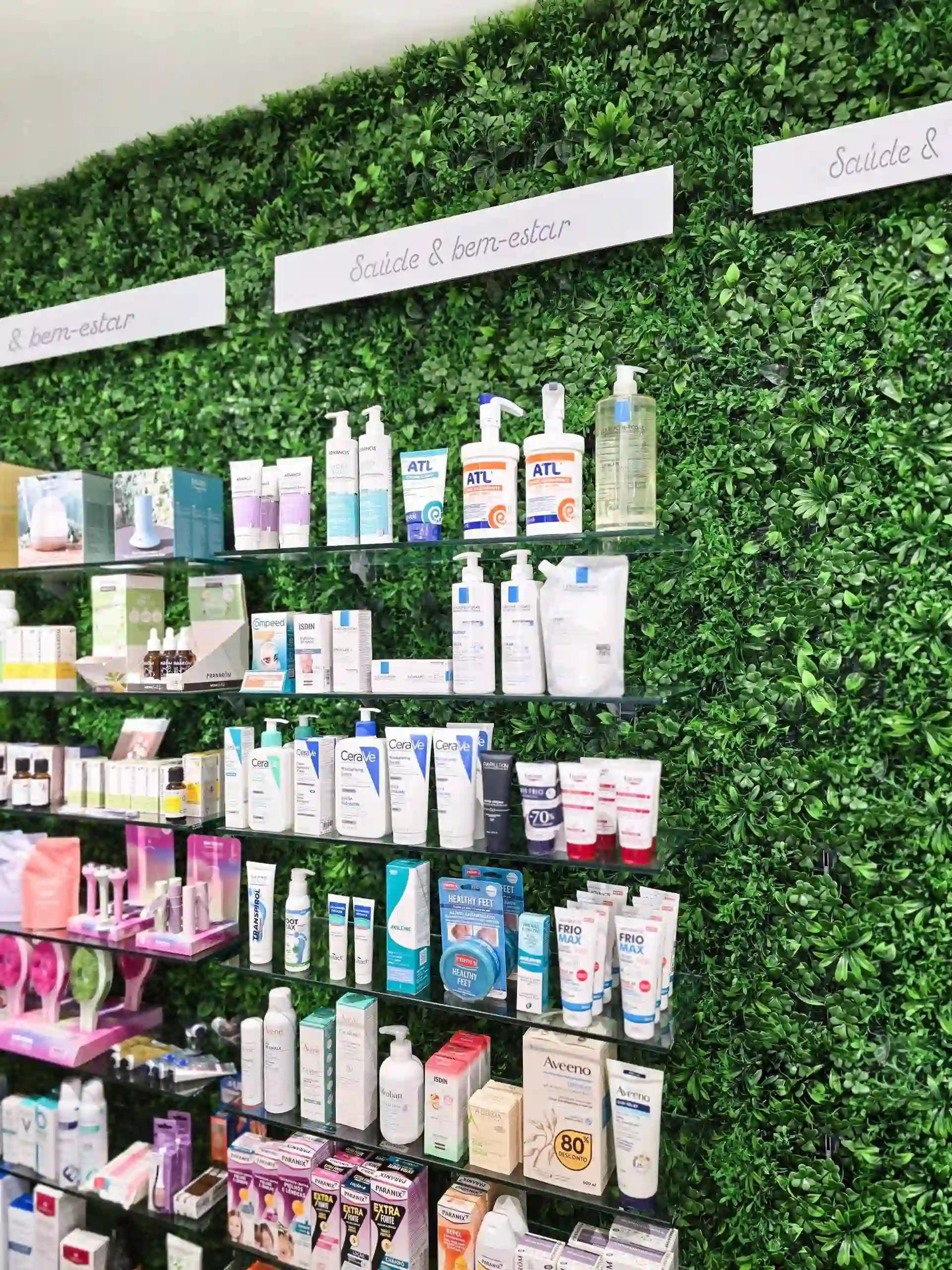
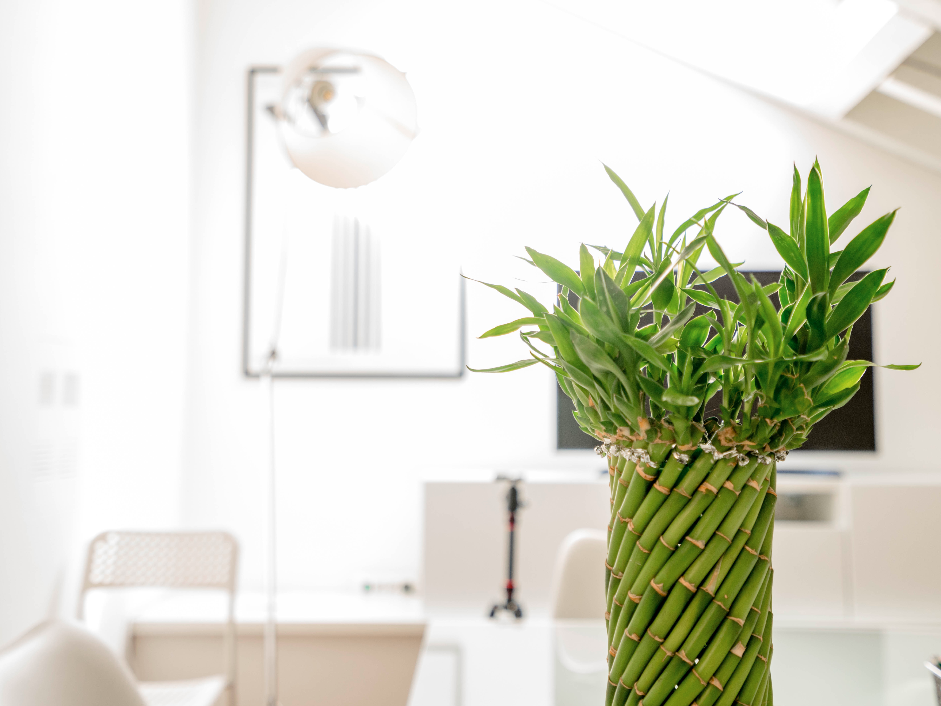
Finally, the quality of green spaces in health units is also an aspect that deserves attention. Indoor plants are typically effective in improving the user experience, as they help reduce users' stress and anxiety levels, while also improving air quality.
Our team of architects, designers and engineers designs elegant environments and solutions, with the aim of improving the quality of life for patients, families and healthcare professionals. Count on us!
Contact us!
Count on a multidisciplinary team with extensive experience in developing construction and renovation projects. Count on Medd’s professionals to ensure the success of your project. Contact us today!

Find inspiration for your renovation projects. Follow us and stay up to date with the latest news.