Suddenly, the pandemic caused by Covid-19 put health practicessafety and preventionin the spotlight. Sanitization is changing business models and having an impact on companies' work management. Never before has hygiene been so relevant. Discover, in this article, the hygiene practices that you should take into account when resuming your commercial activity and carry out a safe deconfinement!
The Deconfinement Plan
Approved by the Council of Ministers on April 30, 2020, the Deconfinement Plan brings together an extensive set of measures that aim to gradually lift confinement, within a period of 15 days between each phase determined by the Government's strategy calendar.
Therefore, under the weight of COVID-19 and following the recommendations ofWorld Health Organization (WHO), several public and commercial spaces are beginning to redouble their efforts in their cleaning and disinfection routines. Efforts that must be set within the scope of the seven points for the hygiene of workplaces determined byGeneral Directorate of Health (DGS), being them:
- Sanitization of hands;
- Respiratory label;
- Social distancing;
- Sanitizing and disinfecting surfaces;
- Self-monitoring of symptoms;
- Personal protection (PPE);
- (Information.
How to proceed with a safe deconfinement?
After officially declared a pandemic by the World Health Organization on March 11, 2020, theCOVID-19 has drawn everyone's attention to the importance of hygiene. After all, it is no surprise that, in recent months, national and international news has flooded prime times with information about personal hygiene habits, such as the routine of washing your hands frequently, the relevance of abstaining from touching or the effort to raise widespread awareness of the environment that surrounds each of us. In the phase of deconfinement, the objective is to guarantee the sustainability of companies and public service establishments. Ensure the safety of customers, users and employees and avoid losses of income and production.
Therefore, to ensure the gradual resumption of activity in spaces open to the public, such as companies, schools, stores or markets, it is necessary:
- Develop a hygiene plan adapted to the designated space: this plan must be constantly updated and posted in a strategic location so that it can be visible to the public and employees;
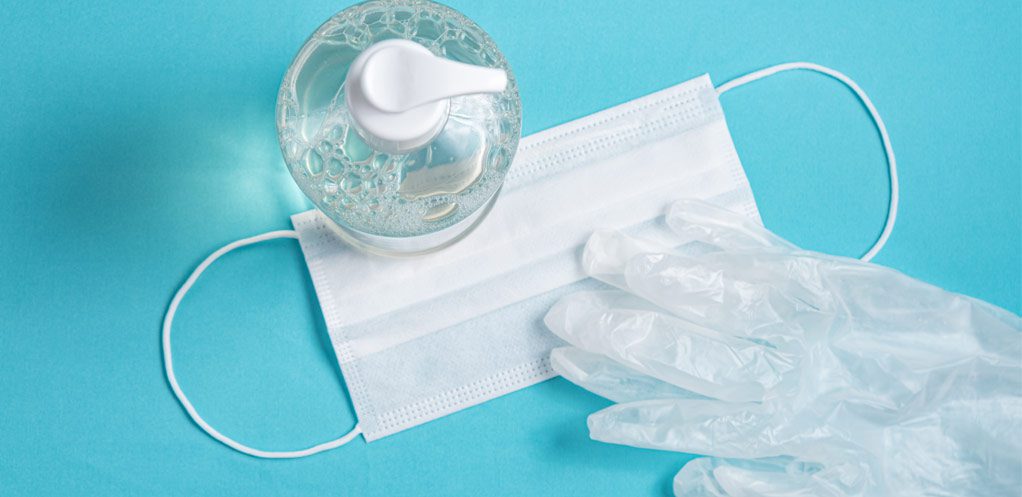
- Reduce the risk of infection: Promote the installation of dispensers of any alcohol-based antiseptic solution (SABA), such as Slimmer, in your workplace. These solutions eliminate the risk of transmission of the virus that causes COVID-19, sanitizing the surface of hands and ensuring the protection of all those who share the same space. Likewise, it is essential to regularly clean and disinfect hard surfaces, such as tables andcounters.
- Establish the mandatory use of masks and institute safety distancing: In any commercial establishment, workers must maintain a safety measure between themselves and customers/users. A distance that must be two meters indoors and one meter outdoors. In this sense, in matters where face-to-face service to the public cannot be circumvented, measures must be taken to reorganize the workplace. These measures include, for example, the mandatory use of masks or visors, the installation of protective balconies, acrylic plates or the fixing ofsafety signageOn Pavement.
Reinforce the Hygiene Plan
With deconfinement underway, companies and public service establishments have to reinforce their Hygiene Plans, ensuring the safety of employees and users/customers. Know what to do!
How to sanitize commercial spaces?
- Use disposable gloves to clean and disinfect;
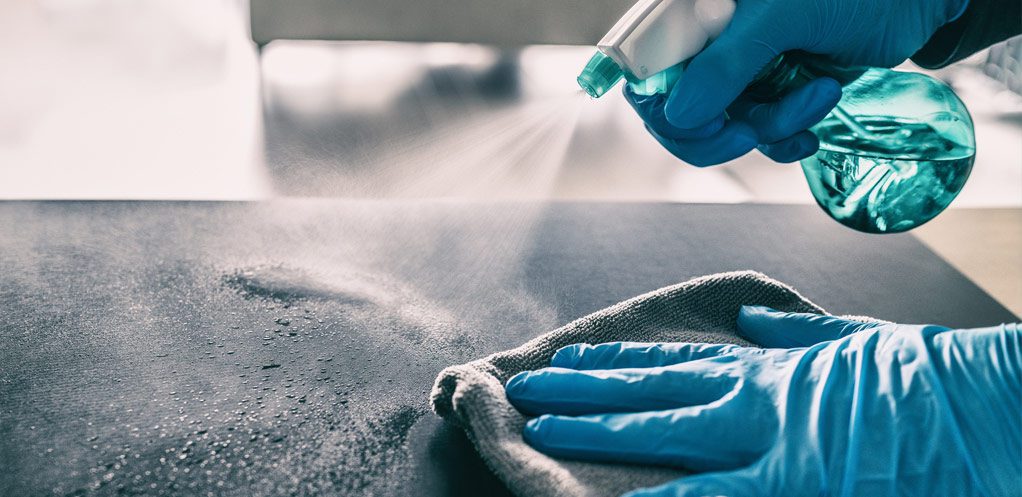
- Clean surfaces with soap and water and use disinfectant. Alcoholic solutions with at least 70% alcohol can also be used;
- Differentiate the most used surfaces from those that are not used as much. Sanitization should be more frequent on surfaces with a higher level of use;
- Surfaces and objects such as shopping carts and digital keyboards must be cleaned and disinfected after each use;
- Pay special attention to surfaces such as doorknobs, switches, countertops, telephones, keyboards, taps, sinks, etc. These must be constantly disinfected.
- For soft surfaces, such as carpets, rugs or curtains, it is recommended to use soap or appropriate cleaning products. In these cases, it is suggested to use a hot water wash setting.
- On electronic devices such as tablets, touch screens, keyboards or controls, follow the manufacturer's instructions to clean them. If there are no instructions to this effect, use disposable wipes or alcohol-based sprays, with at least 70% alcohol.
What measures should entrepreneurs, owners and managers take?
- Make sure your cleaning team has the necessary training and training to properly use recommended disinfection chemicals;
- Instruct those responsible for cleaning and collecting garbage to recognize the symptoms of COVID-19;
- Provide instructions to your employees on what to do in case of suspected infection. Recommend and reinforce the importance of carrying out a 14-day quarantine period, after possible exposure to the virus;
- Finally, develop protection policies for your employees and provide appropriate training to the entire work team.
MEDD: by your side during deconfinement!
After reinforcing and establishing an appropriate Hygiene Plan for your business, it's time to get your hands dirty and get back to action. Take precautionary measures and reduce the risk of exposure to the new coronavirus with MEDD solutions: because safety is a responsibility that we share with you!