
Management
Project Management: what does it consist of?
management

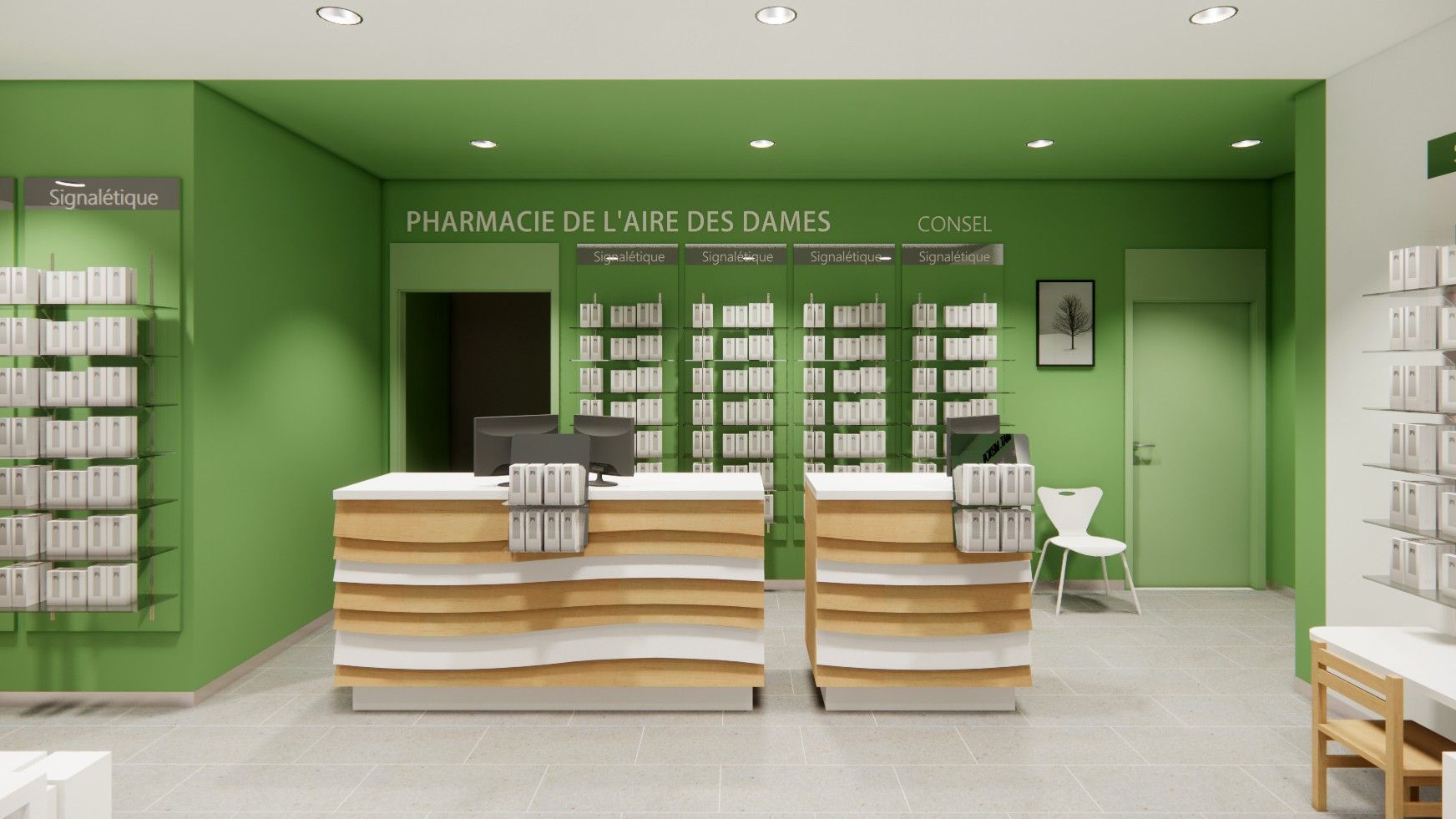
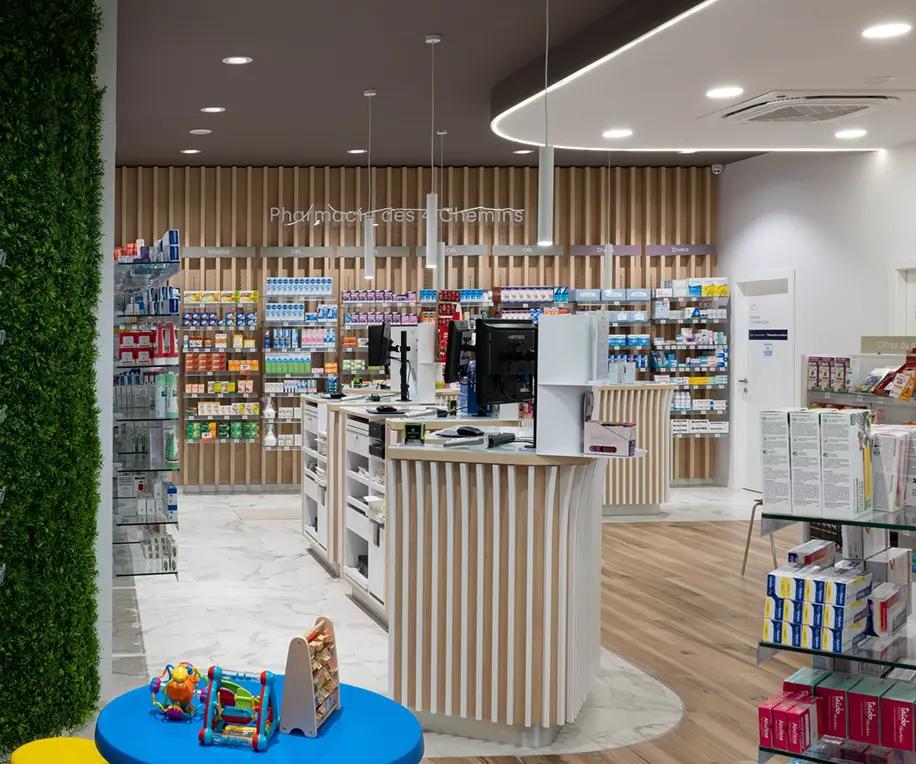
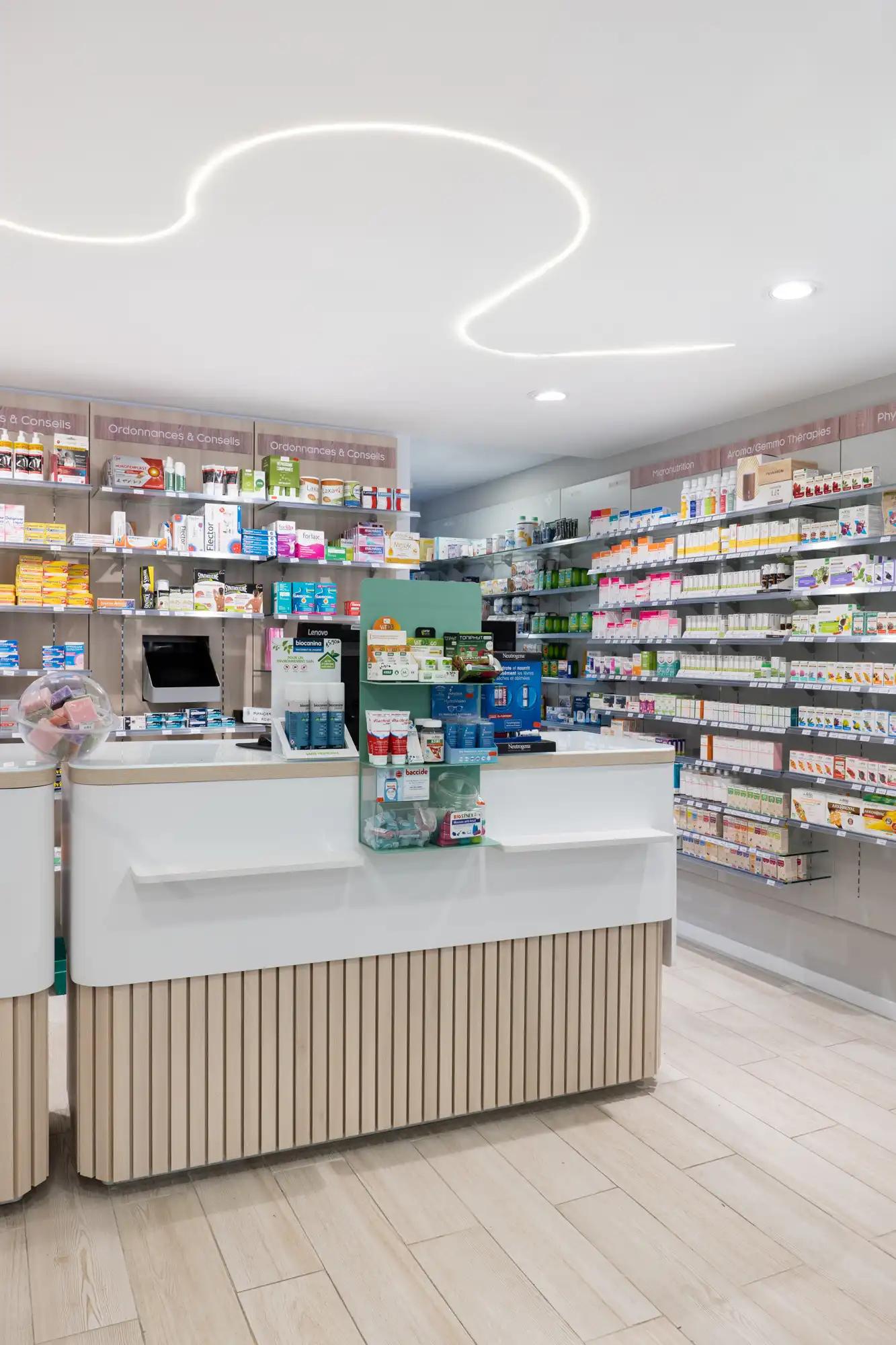
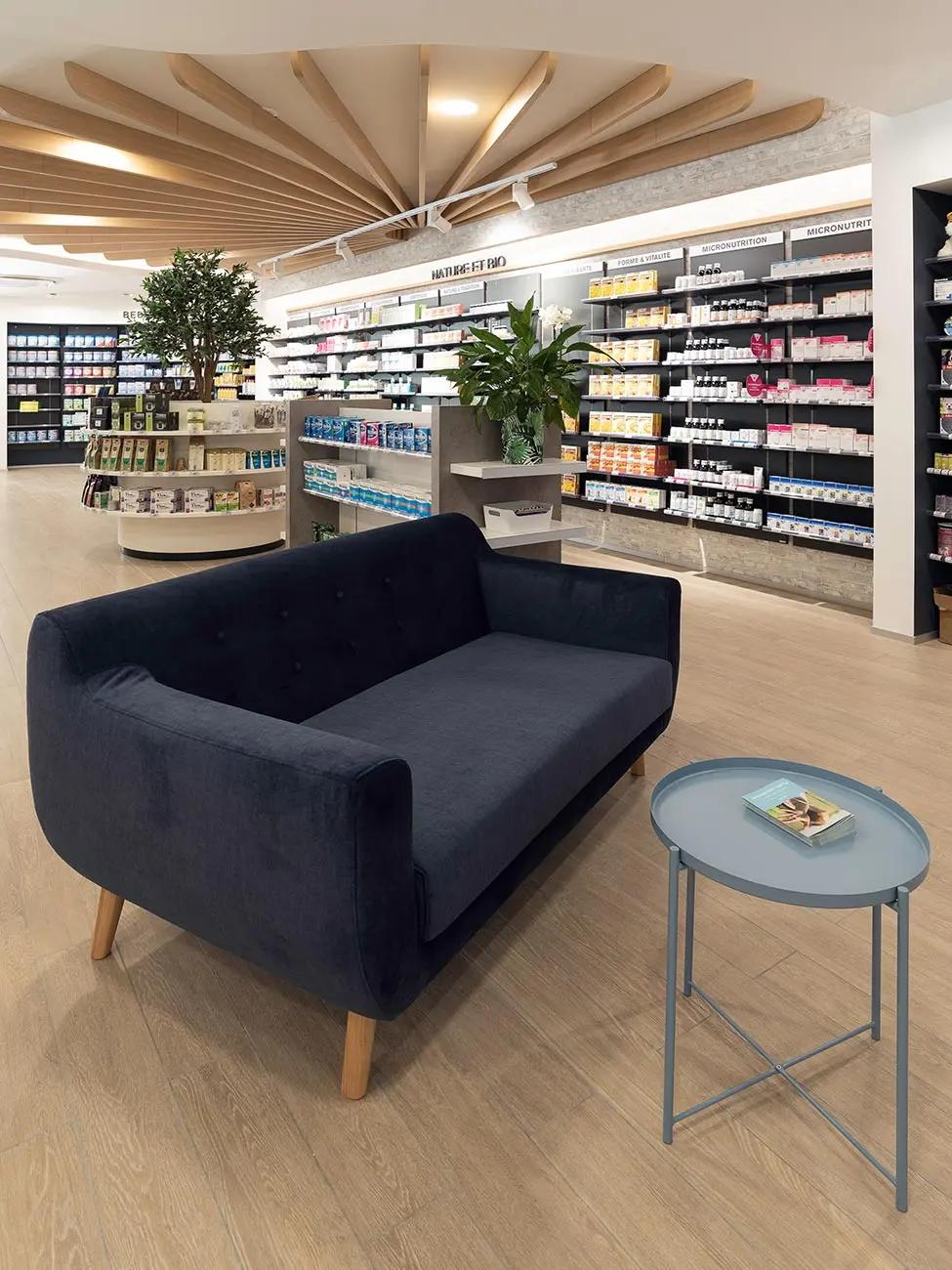
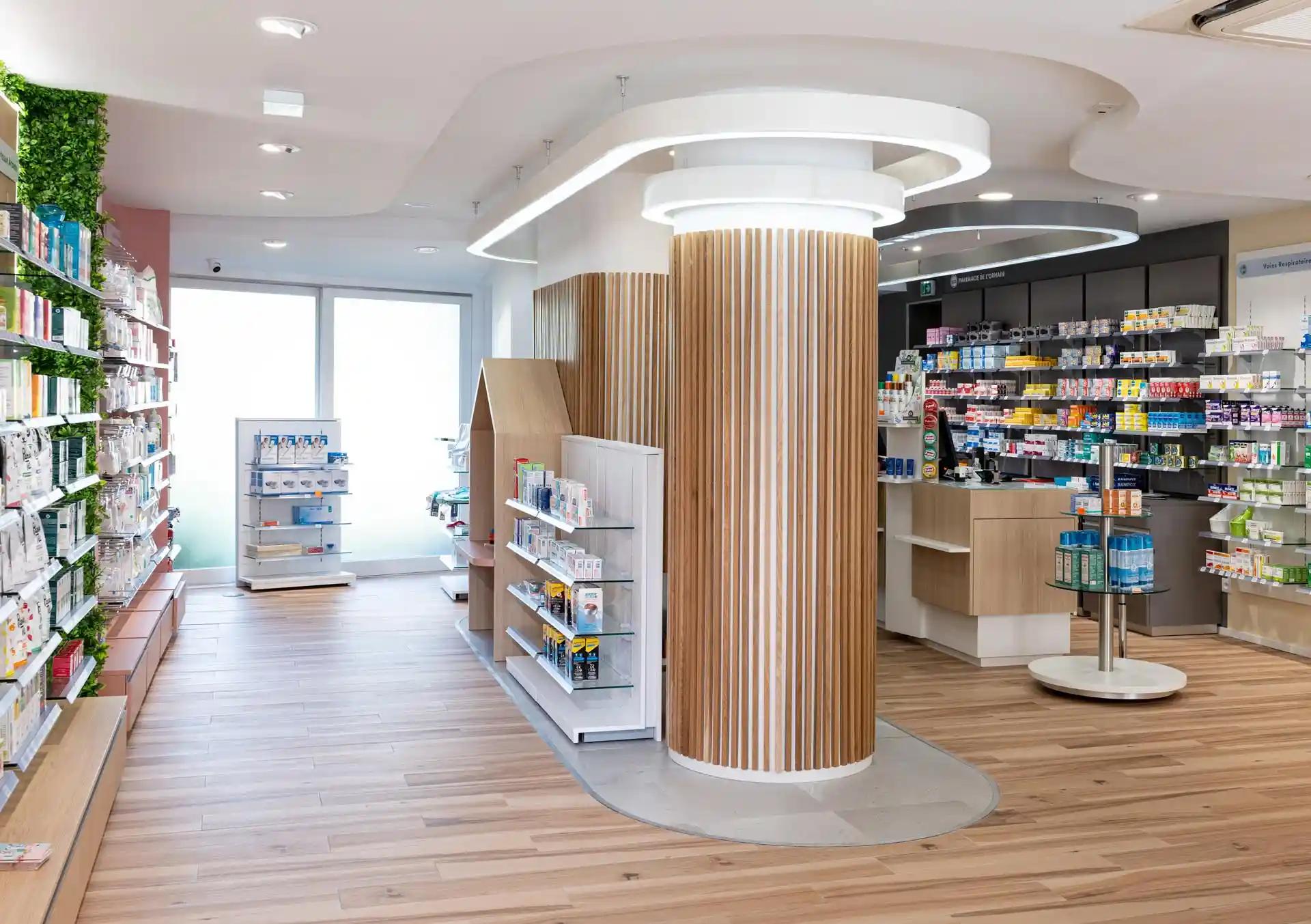
Merchandising plays an important role in any pharmacy's sales system. In this article, we will analyze the importance of this discipline, its principles and the key points of a good exhibition. Additionally, we will give you some recommendations on how to organize the different categories of products in the pharmacy. Discover everything in this article!
In“Pharmacy and Communication”,António Hipólito de Aguiardistinguishes two types of merchandising: seduction merchandising and management merchandising. The first concerns the physical elements that work to attract pharmacy users. That is, play of light, visual signage, technical furniture, interior design, etc. On the other hand, the second refers to“expose to increase profitability”. I.e,“assign an exhibition space depending on importance”of a certain product. Poor organization of the different categories of products not only adds work to pharmacists (who have to answer questions about the availability of certain medicines, thus delaying the service), but also causes a feeling of discomfort and confusion among pharmacy users.
Essentially, a category is a group of products made up of complementary items or items from the same range that aim to respond to a specific user need. For example, if the category is“Mom and Baby”, this will feature products as different as"dropper",“nipple shields”or“terms for popes”. Product categories help organize the display of products in the physical space of the pharmacy or the offer available in your store.‘e-commerce’. These speed up the purchasing process for users, providing relevant information about the pharmacy's global offer.
Firstly, the choice of these product categories must be based on the needs of users, being a more strategic approach in terms of marketing and communication. It should be noted that, in recent years, new categories of products have emerged in pharmacies such as“food supplements”or“cosmetics”. Consequently, pharmacy owners are faced with a difficult task: defining the items most sought after by their target audience and positioning them in the lanes furthest from the pharmacy entrance. This way, your users will be forced to explore the entire offer to reach the desired product.
Divide and organize the space to facilitate user navigation so that they can find the product category they are looking for, simply. In this sense, there are two types of exhibition that you should consider before starting to organize the space:
1. Horizontal – When the goods are displayed in a homogeneous way along the entire length of the shelf.
2. Vertical – When products from the same category are presented vertically. In this type of exposure, the“hot zones”are at eye and hand level and the“cold zones”They are located at the level of the feet and the outstretched arm.
It is important to understand that thevisual merchandisingIt is not a one-off activity. It is a process that needs to be permanently optimized, improved and reformulated. Especially in pharmacy, where merchandising is highly seasonal. Products like sunscreens, for example, have seasonal sales figures, which“dictate”the rules for its exhibition. Therefore, they must be visually highlighted by signage and must be moved according to the time of year.
Mixing different categories is a great opportunity to influence your user. In addition to saving users time,“cross-selling”result in effective gains for pharmacies. For example, place packets of wipes and hand sanitizer next to cold and flu medicines or feminine hygiene products next to maternity products. You should also use calls“impulse shopping zones”(areas near the cash register and near the entrance) to position categories such as“Promotions”and“Highlights”.
The principle of interchangeability is also an important aspect in the organization of different product categories, ingondolas and linearfrom your pharmacy. That is, alternating expensive products with products from the same range, but cheaper. This way, you can boost the sale of less popular but more affordable brands. Furthermore, all products on display must have their respective names and brands facing users so that they can be easily identified. In central display units, it is recommended to place smaller packages on the upper shelves and larger packages on the lower shelves.
Count on a multidisciplinary team with extensive experience in developing construction and renovation projects. Count on Medd’s professionals to ensure the success of your project. Contact us today!

Find inspiration for your renovation projects. Follow us and stay up to date with the latest news.