Tips
The importance of pharmacy service counters
tips

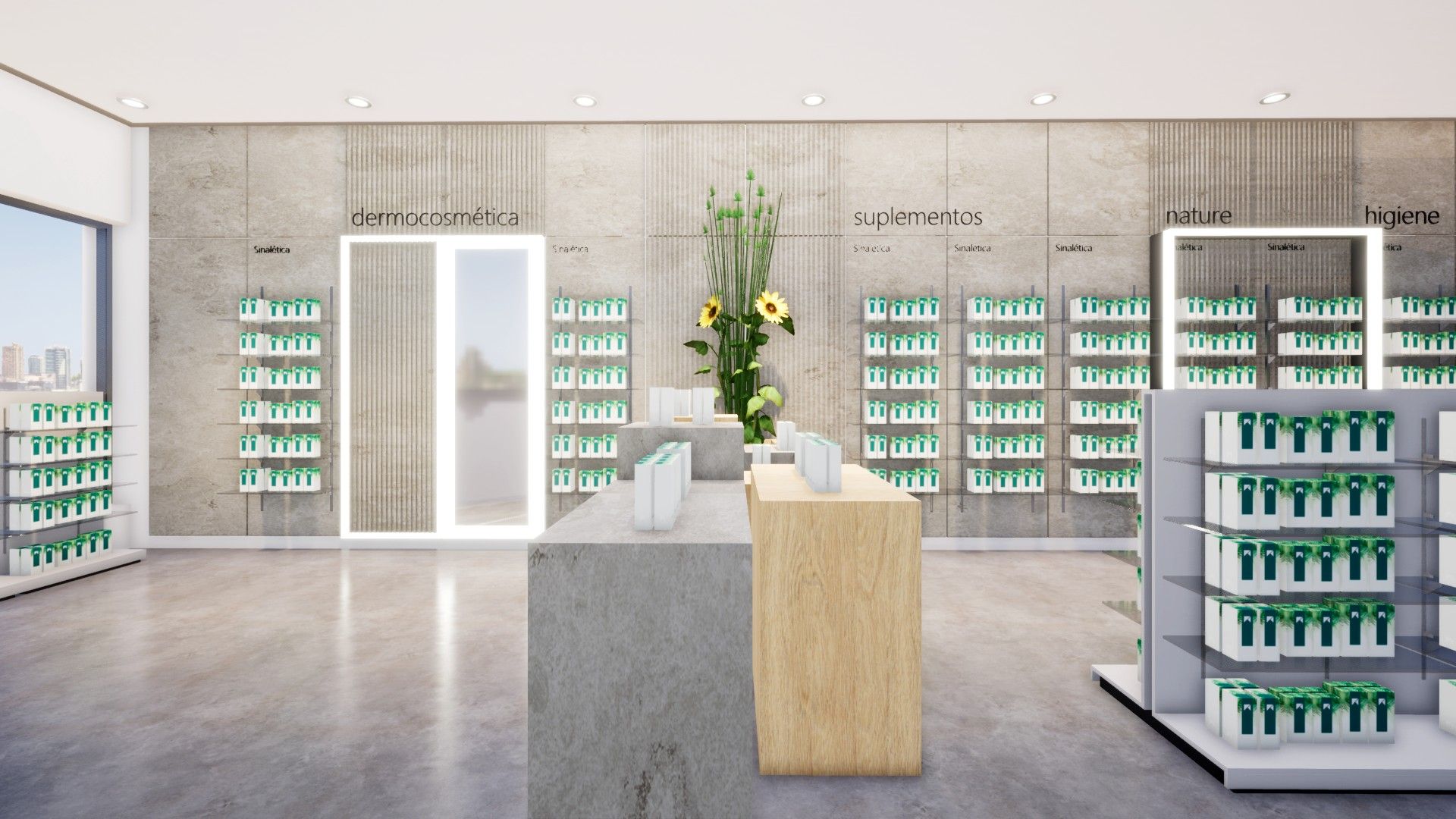
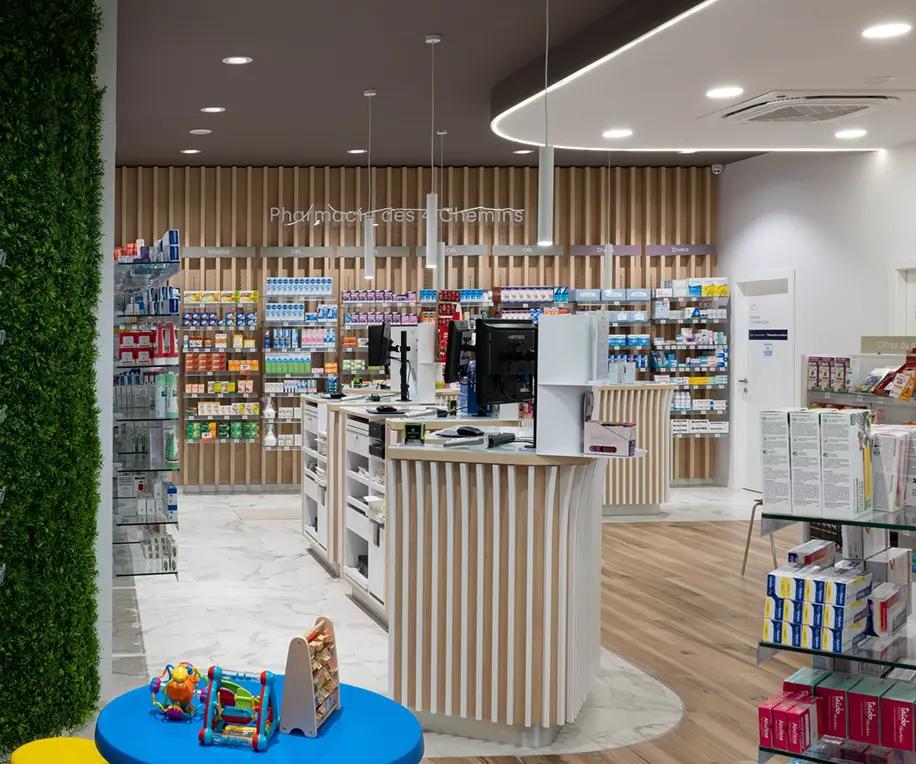
Designed to be functional, healthcare spaces, such as pharmacies or clinics, run the risk of being too cold and impersonal. Therefore, in any remodeling project, it is imperative to highlight the familiar and cozy nature of the design. But what is the best way to do it? Discover, in this article, how to incorporate the principles of Feng Shui into yourdesign of your clinicor pharmacy!
Feng Shui is the cornerstone of Eastern culture and one of the most complex and extensive systems of practices in the world. Therefore, any articleblogwill fall short of its true meaning. However, we will try to introduce you to the concept and basic principles of Feng Shui so that you can have a global understanding of what it is about.
Thus, we can start by saying that Feng Shui is a spiritual discipline of Chinese and Tibetan origin that seeks to instigate the flow of energies present in the universe through the interpretation of nature, buildings and interior spaces. While “feng” is a term that can be translated to “wind” or “breath”, “shui” means “water”. Therefore, according to the guidelines of this discipline, the combination of the two elements – such as Yin and Yang – highlights the importance of the individual understanding themselves as part of a whole. In other words, in order to achieve a full life, Feng Shui determines the continuous search for a harmonious balance between spaces and distances,layoutsand configurations or shapes andcolors. Here, balance implies the suppression of any type of disorder or overcrowding. That is, according to the principles of Feng Shui, interior spaces must be extremely orderly, visually appealing and designed to respect and understand the surrounding elements, such as natural light or the landscape.
For those looking to work in a harmonious and balanced space, Feng Shui is an excellent ally. However, to effectively apply the principles of Feng Shui in the design of healthcare spaces, it is crucial to begin by understanding three fundamental concepts:
Nodeinterior design, the ancient Feng Shui philosophy focuses on directing, preserving and coordinating the flow of electromagnetic energy known as Chi or Qi. That is, in closed environments, this flow of energy can be stimulated or blocked depending on the arrangement of the furniture and its respective orientation. When blocked, this absence of Chi energy is believed to have negative effects on the human psyche.
Another concept that we should explore in this context isthe theory of the five elements, also known as Wu Xing (Wu – “five” and Xing – “walk”). In general, this theory dictates that the material world is formed by five basic elements: wood, fire, metal, earth and water and that all things can be classified in relation to them.
Therefore, in order to increase the energy levels present in a room or change its direction, the interior designer must install objects made of these materials or paint certain areas with one of the elementary colors, as each element is loosely associated with a color. For example, red is generally associated with the element of fire, yellow with the element of earth, green with wood, white with metal and – finally – blue with water.
When it comes to applying Feng Shui principles to interior design, it is essential to understand how the school of eight directions works. Briefly, it is a system that determines the existence of eight basic directions, four considered primary and four considered secondary. They are: north, south, east, west, northwest, southwest, southeast, northeast.
Now, according to this discipline, each of them is associated with an element, and must be determined according to the geographic north identified in the location and used in the sense of “harmonize the flow of ChiThis must be done with the support of a compass or an octagonal device known as a Pa Kua so that the objects and colors belonging to each zone can be chosen.
For those who are beginners and do not have an expert at their disposal, they can always choose to create a harmonious workspace, trying to find a balance between the natural elements present in the space and all the other elements. Here are three suggestions:
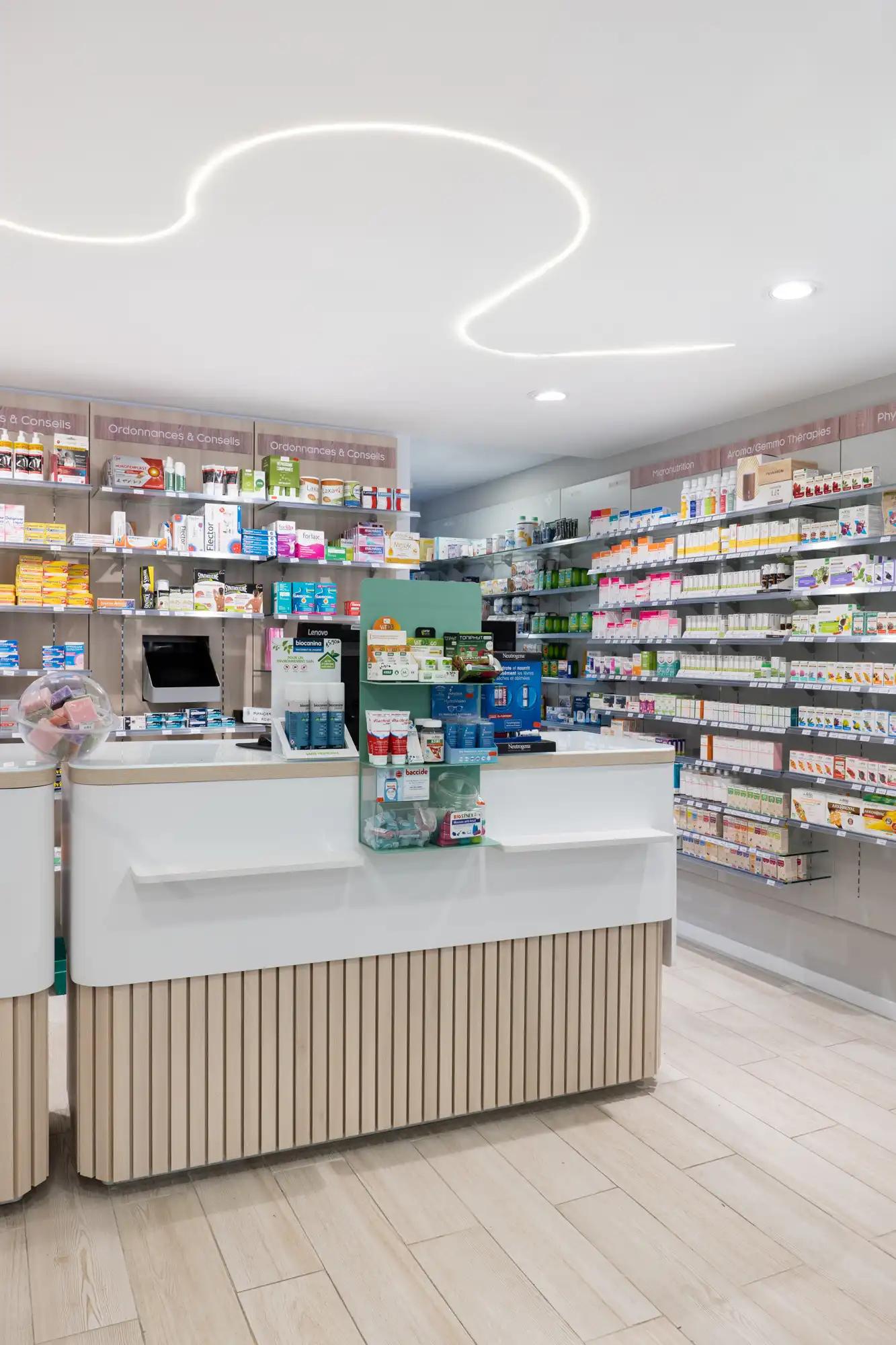
Alltechnical furnitureinstalled in your clinic or pharmacy must be functional and essential for optimizing workflows.
The colors used for thedecoration of the space should be selected based on the sensations it intends to evoke in its users. So, if your goal is to provoke feelings of well-being and relaxation, then cold colors are the right choice. On the other hand, if the purpose is to create a cozy atmosphere, then warm colors are ideal.
In any space designed according to Feng Shui principles, lighting must be meticulously planned. Ideally, there should be a predominance of natural light. Therefore, to enhance this resource, Feng Shui recommends the use of large mirrors to reflect sunlight.
We respond to the demands of the pharmaceutical sector by combining functional layouts with innovative ideas. Ergonomics, comfort, privacy, aesthetic quality and visual clarity are just some of the aspects that we guarantee with the development ofpharmacy projects. We work alongside our clients to truly understand their needs and present tailored solutions.
Count on a multidisciplinary team with extensive experience in developing construction and renovation projects. Count on Medd’s professionals to ensure the success of your project. Contact us today!

Find inspiration for your renovation projects. Follow us and stay up to date with the latest news.