Design
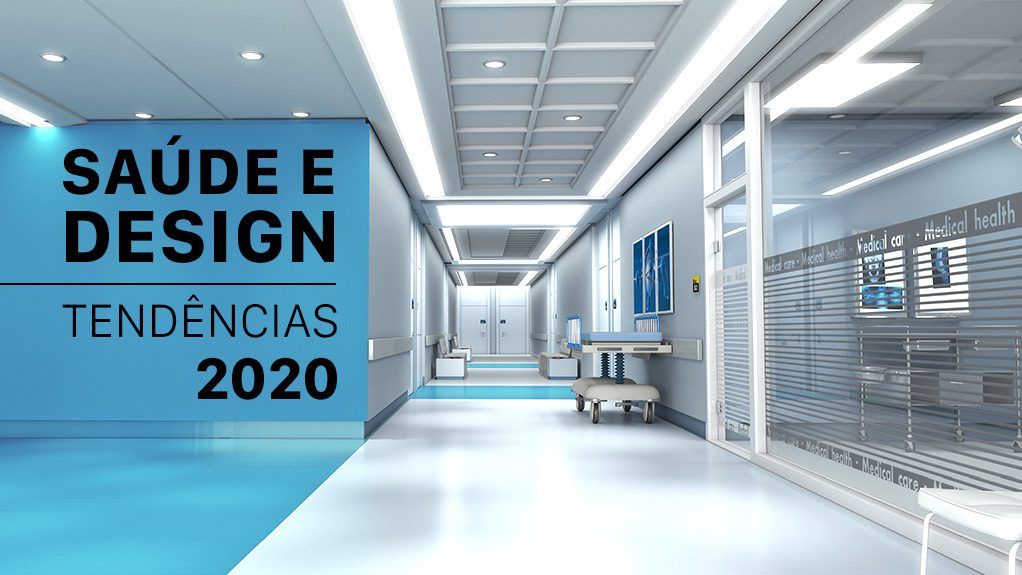
Health and design: 2020 trends
design

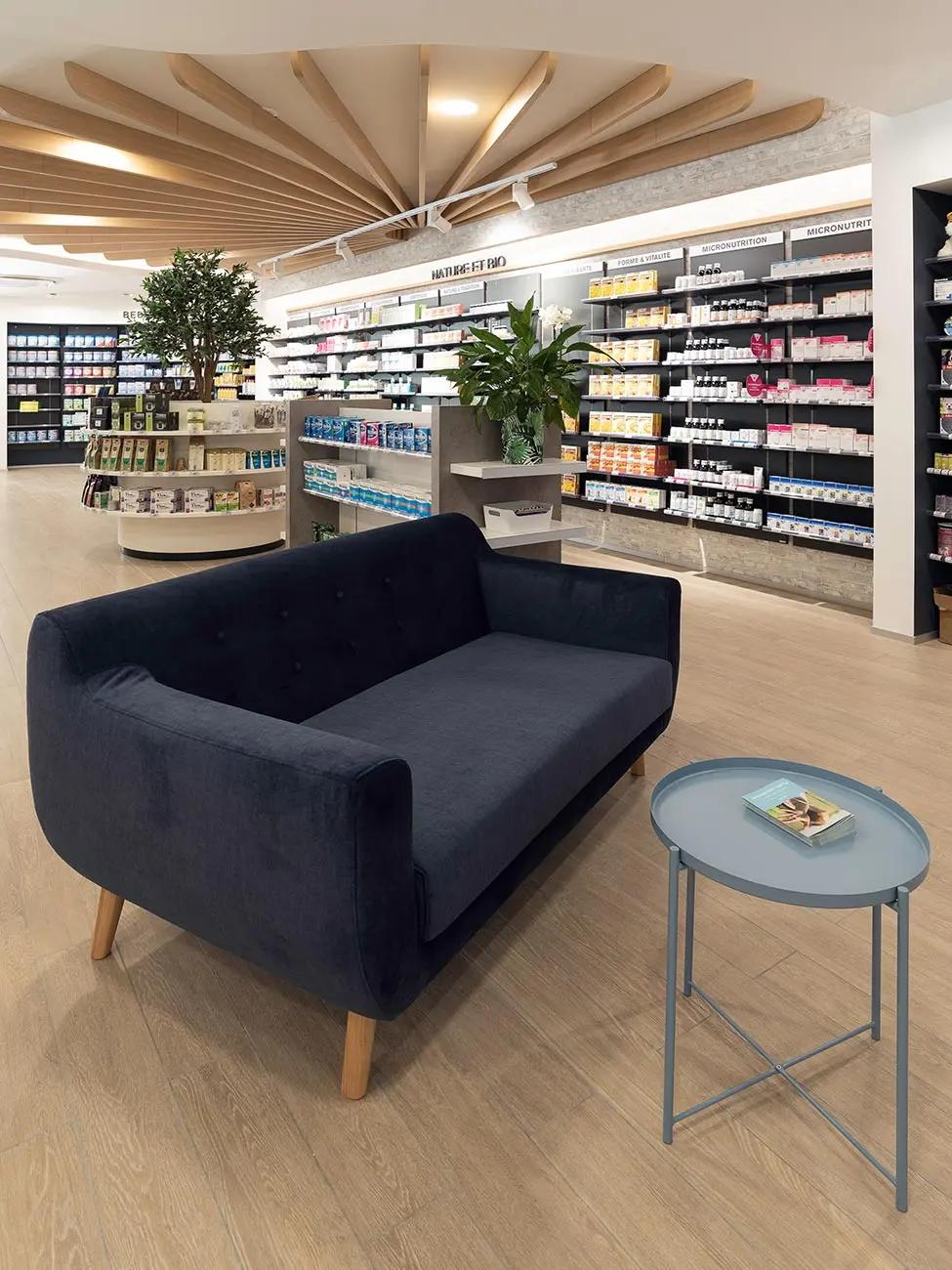
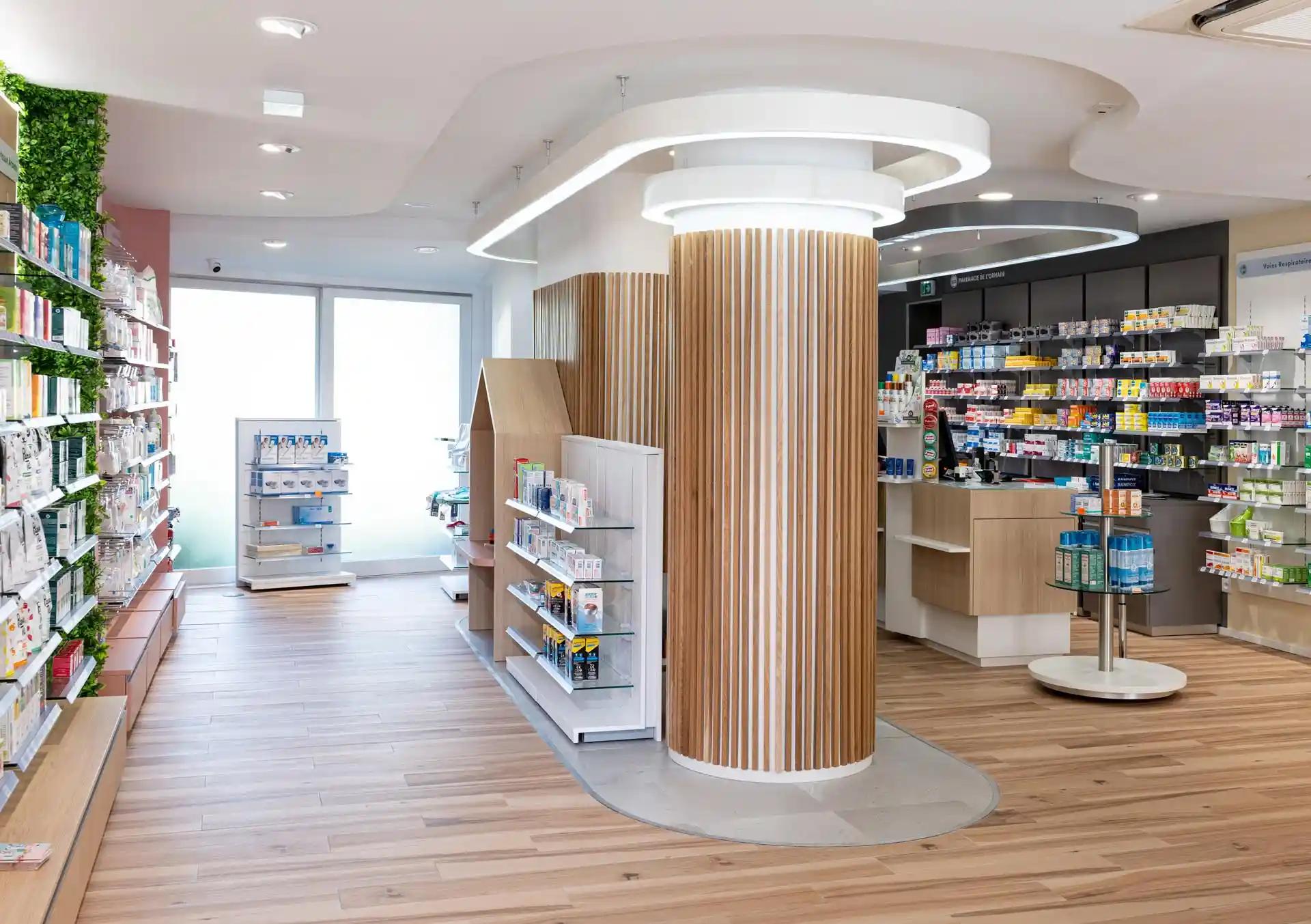
The design of a pharmacy is one of the crucial factors that influence the user experience and the efficiency of healthcare professionals. As architects, we must consider not only aesthetics, but also the functionality and commercial results that design can provide. Below, we'll explore five essential design elements that, when implemented well, can transform a pharmacy into an efficient, welcoming and commercially effective space.
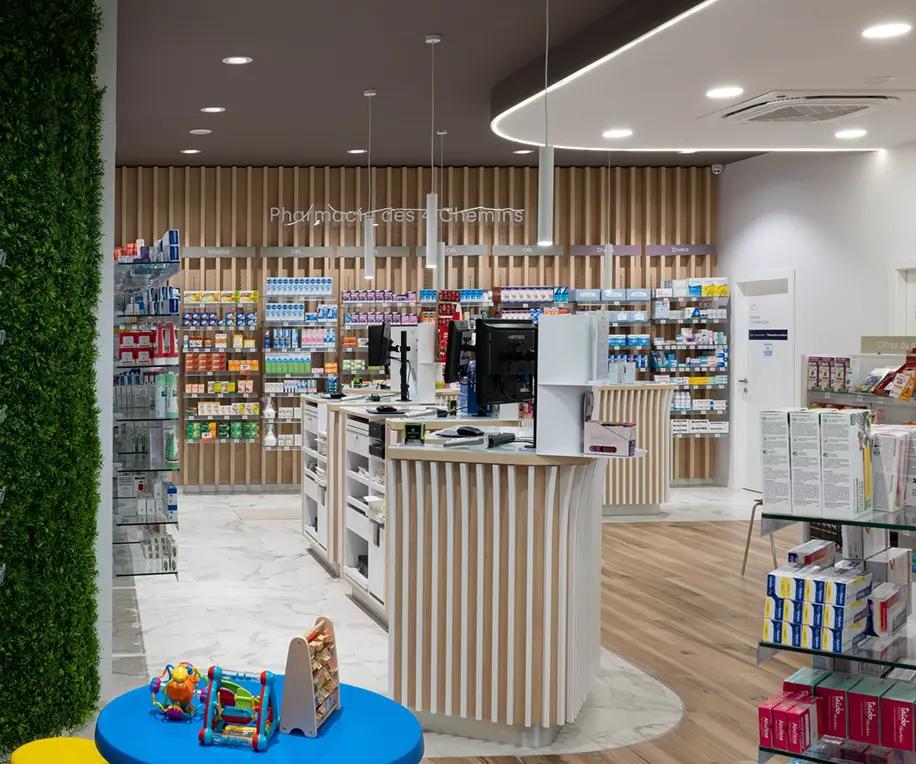
A functional layout is the backbone of an efficient pharmacy. The layout of spaces should facilitate the flow of users and healthcare professionals, minimizing waiting time and avoiding congestion. For users, the route from the entrance to the service area must be clear and intuitive, encouraging a natural flow that allows them to quickly find what they are looking for. For professionals, thelayoutit must optimize the proximity of the most requested products and the circulation between the preparation area and the service area, which improves operational efficiency.
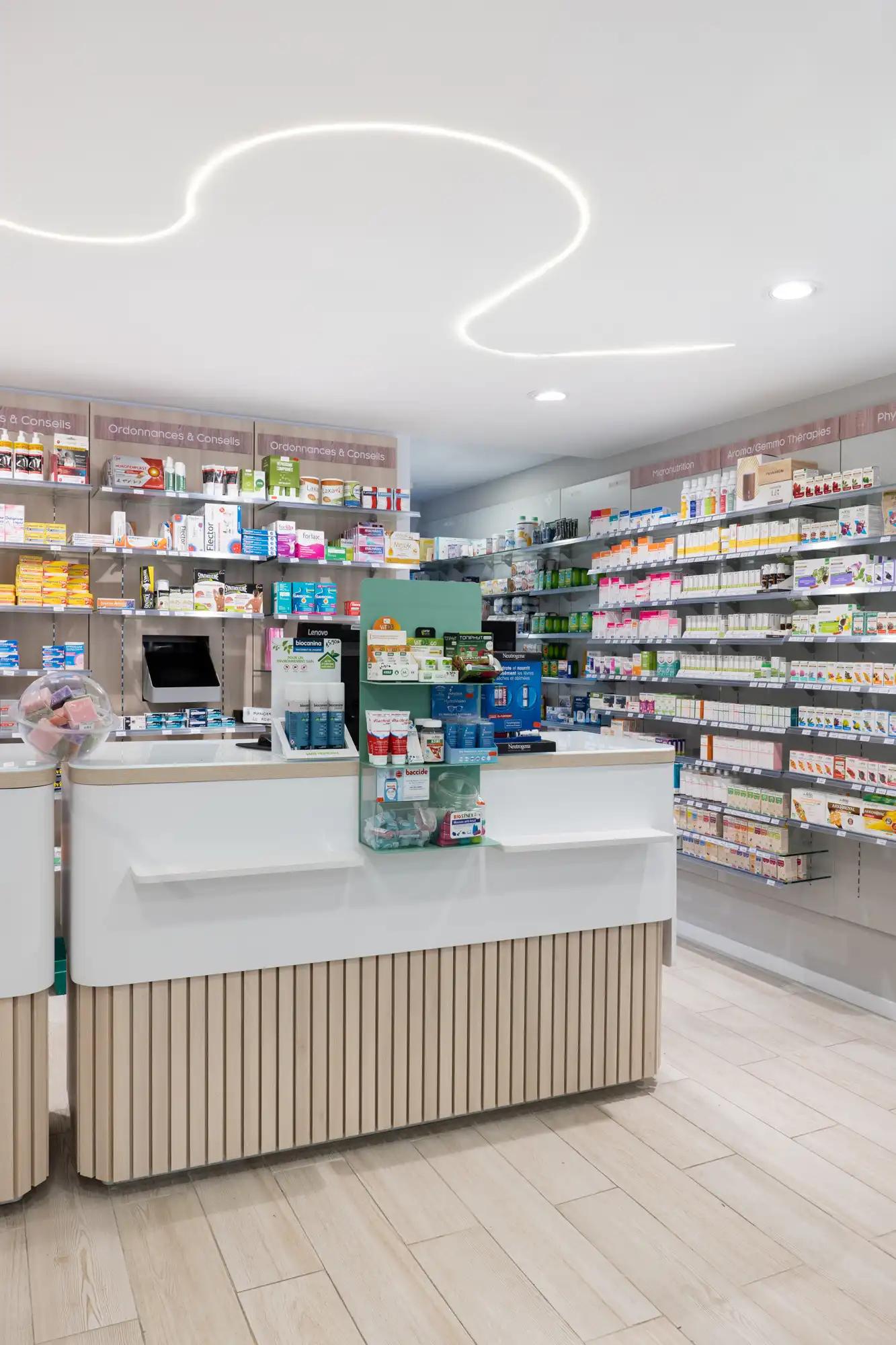
Natural light is always preferable as it promotes a feeling of well-being and confidence. However, where natural light is insufficient, the use oflightingwell-distributed artificial environment is essential. In the pharmacy, well-thought-out lighting not only creates a welcoming and safe environment, but also highlights the products and guides the users' journey. Different areas of the pharmacy may require different types of lighting. For example, the service area should be well lit, but with a soft light that avoids glare, while product display areas can benefit from lighting that highlights specific items.
Materials such as ceramic coatings and high-pressure laminates are excellent options for resistant, easy-to-clean surfaces, essential in a healthcare environment. In the pharmacy, all materials must also be chosen with the acoustic and thermal comfort of the space in mind. These are aspects that impact both users and healthcare professionals.
Ergonomics in design is crucial to ensuring that the space is comfortable and accessible for everyone.Service deskswith adequate heights, comfortable chairs in waiting areas, and ample spaces for wheelchairs are examples of how ergonomics should be incorporated into pharmacy design.
Accessibility, on the other hand, is also a fundamental point. The installation of ramps, automatic doors and clear signage are essential elements that must always be considered.
THEinterior designit must be an extension of the brand, using colors, shapes and materials that reinforce its identity. This principle also applies to branding and visual merchandising, where the presentation of products must be careful and aligned with the general identity of the space.
Count on a multidisciplinary team with extensive experience in developing construction and renovation projects. Count on Medd’s professionals to ensure the success of your project. Contact us today!

Find inspiration for your renovation projects. Follow us and stay up to date with the latest news.