
Design
Health and design: 2020 trends
design

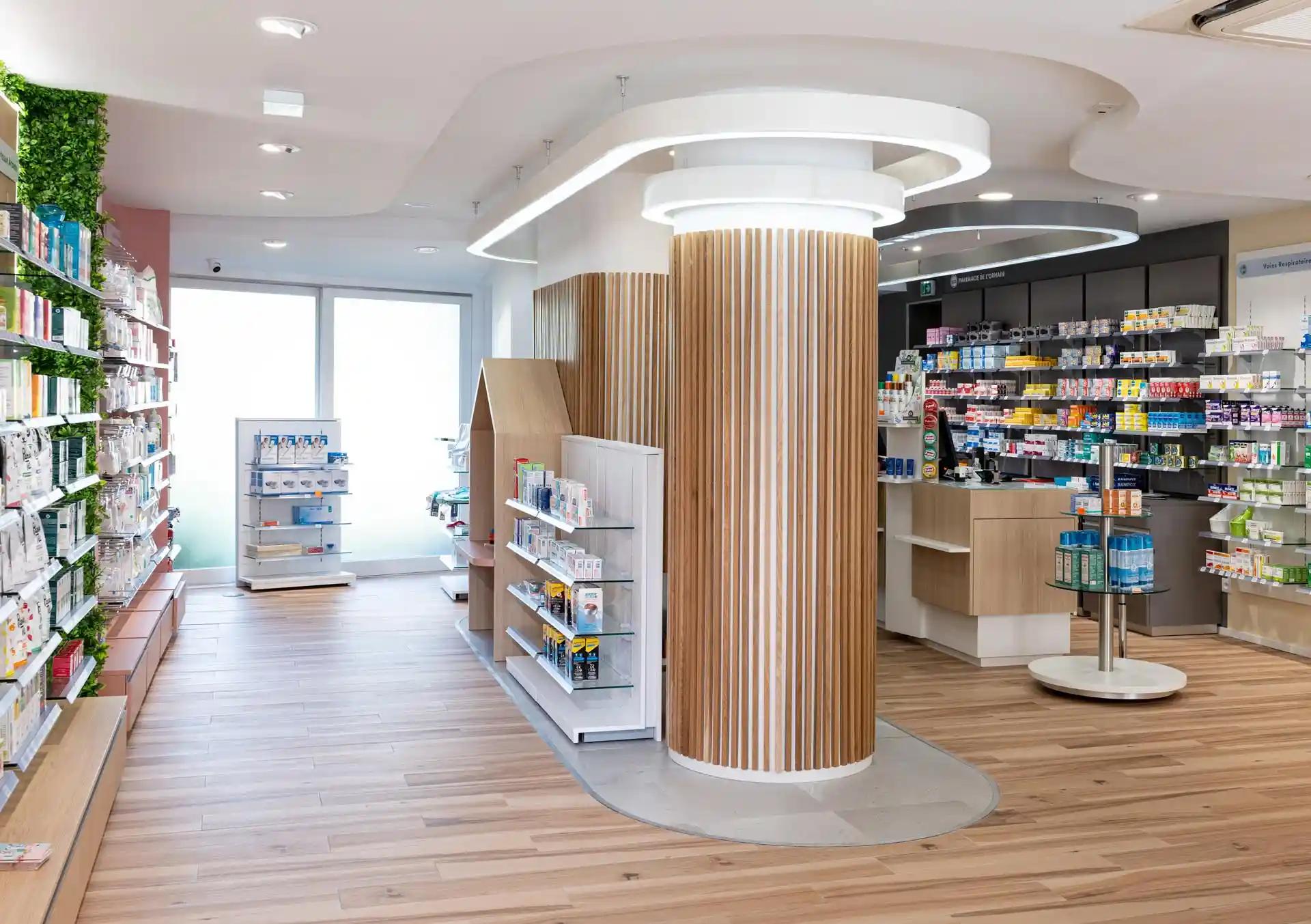
Sensory architecture focuses on the sensorial experience of users of a space. This approach to architectural design is particularly relevant in healthcare environments, such as pharmacies or clinics, where the interaction between space and the human senses can significantly influence the well-being and behavior of users. In this article, we will explore how sensory architecture can be applied to pharmacies to create more welcoming, functional and effective environments.
Sensory architecture considers all senses — sight, hearing, smell, touch and taste — to create a holistic experience. The idea is that physical space can profoundly affect the emotional and psychological state of the people who use it.
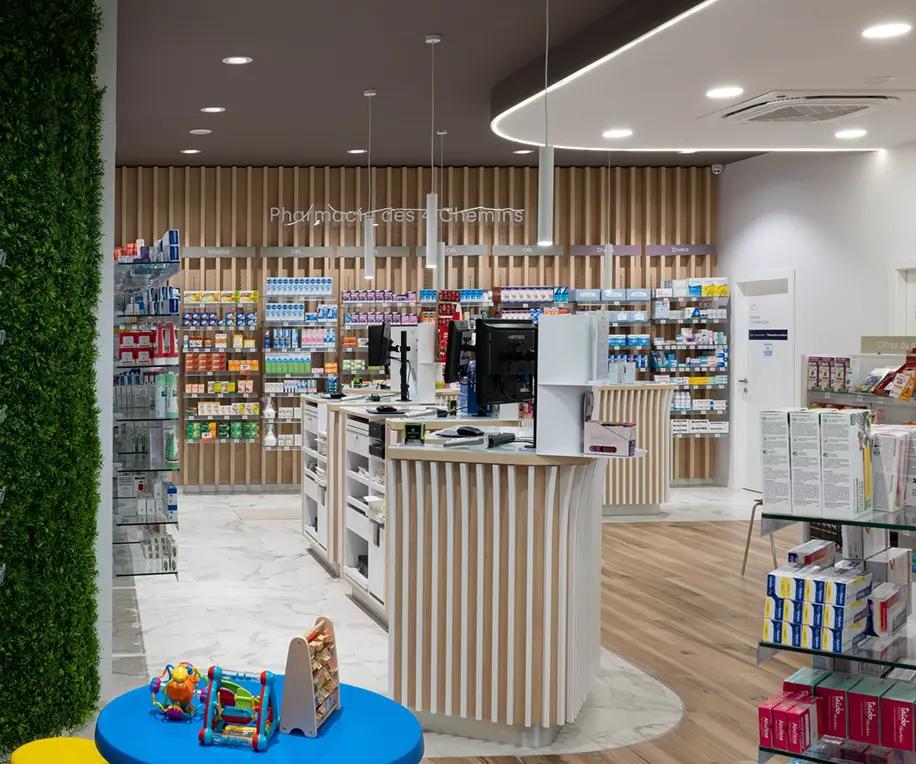
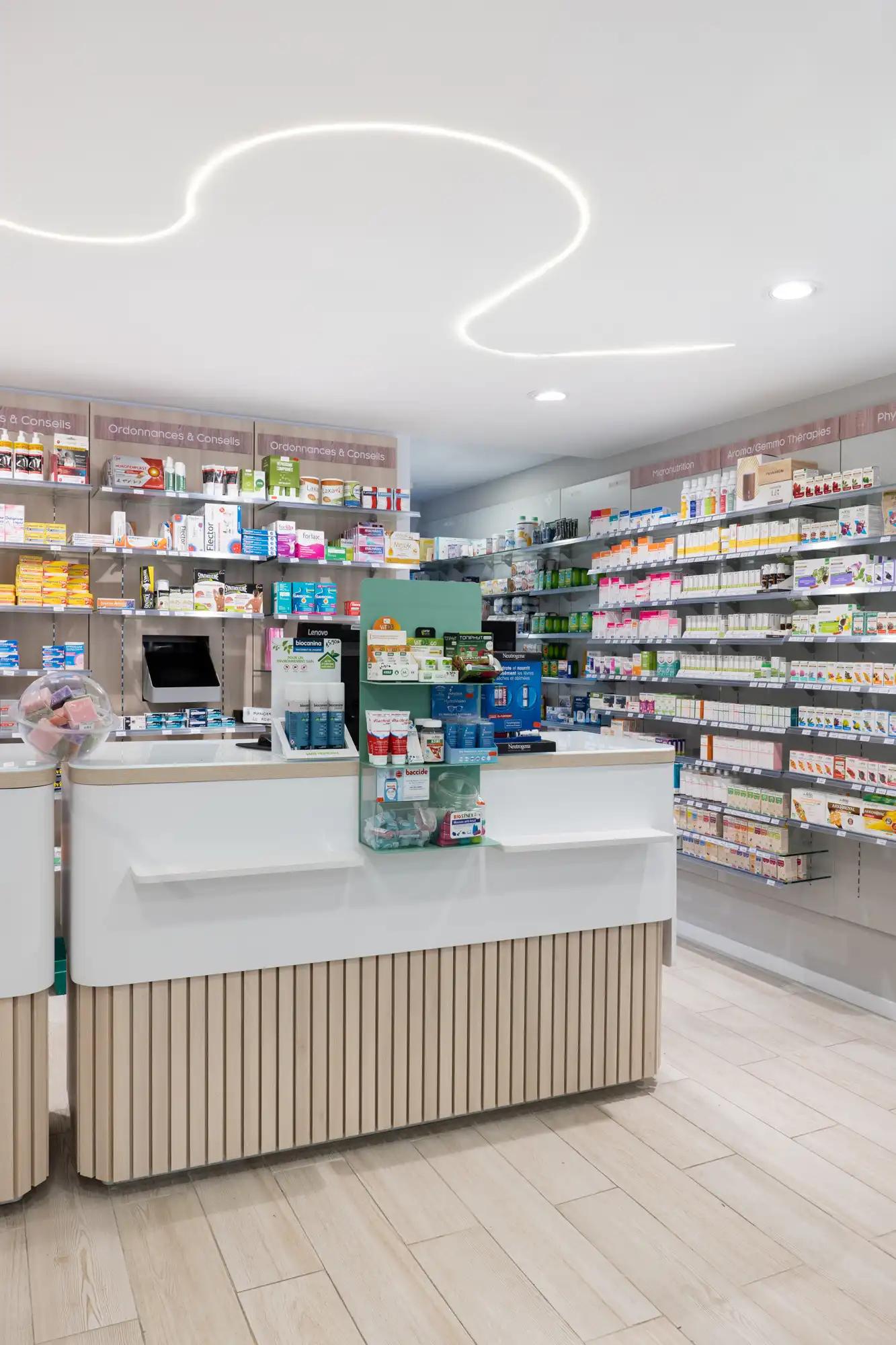
Color and lighting are crucial elements when the theme is sensorial architecture. Soft, natural colors can create a feeling of calm, while brighter colors can be used in specific areas to draw attention to important products or information, especially in the pharmacy. Lighting must be balanced, avoiding shadows and reflections that could cause discomfort or make it difficult to read labels and leaflets.
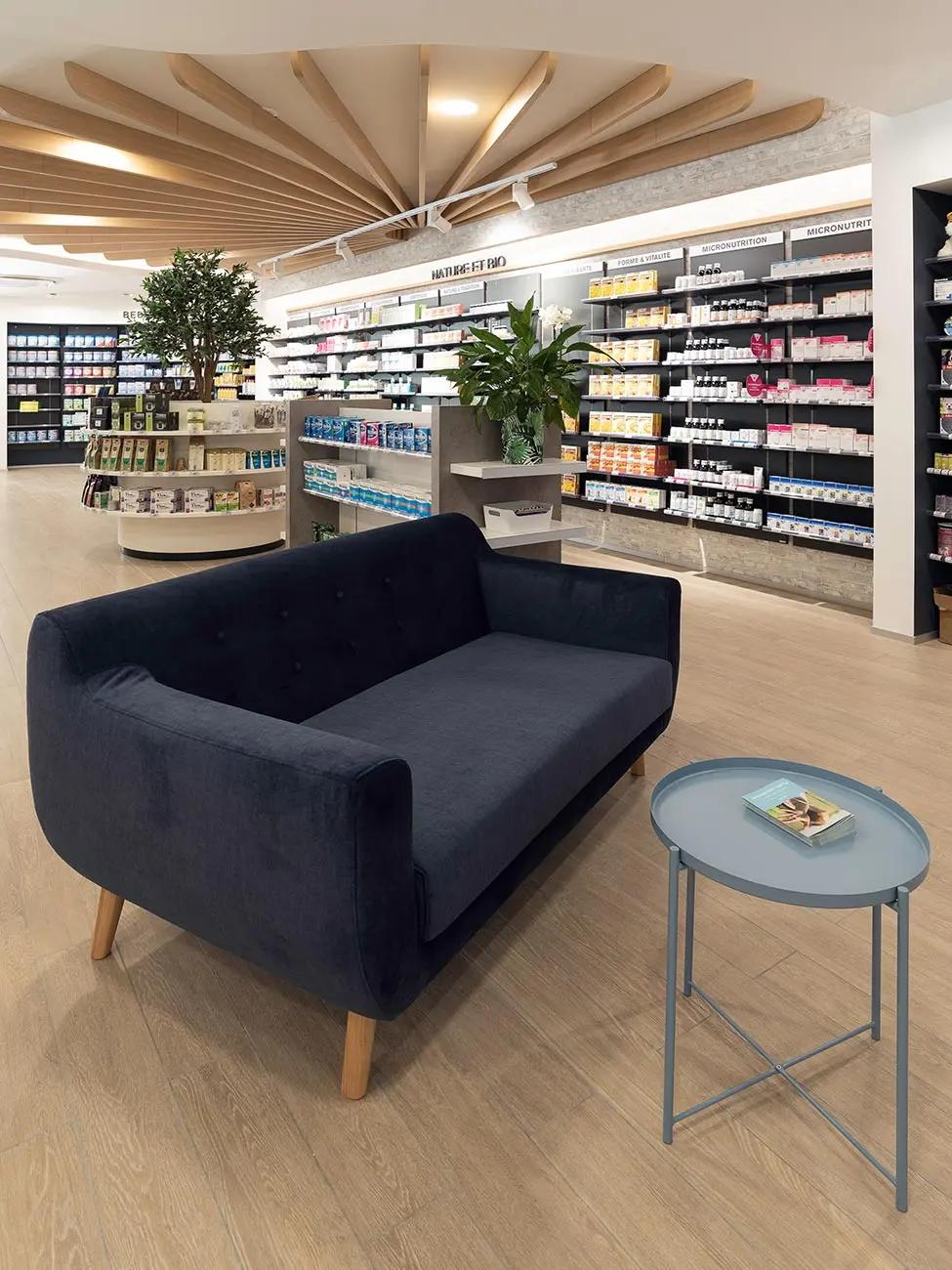
Noise can be a significant stress factor in any context. Therefore, the use of materials that absorb sound, such as acoustic panels andfurnitureupholstered, can help reduce ambient noise. Soft, relaxing music can be used to create a peaceful atmosphere, but it must be carefully selected so as not to distract or disturb pharmacy users.
Smell has a powerful impact on our perception of the environment. Pleasant scents, such as lavender or citrus, can be used to create a feeling of freshness and cleanliness in the pharmacy. However, it is important that the aromas are subtle and do not interfere with the smells of the medicines or cause discomfort to people sensitive to strong odors.
The choice of materials is also fundamental in sensory design or architecture. Smooth, comfortable-to-touch surfaces, such ascountersPolished wood or upholstered chairs in waiting areas can increase the feeling of comfort. Furthermore, the ergonomics of furniture, such as adjustable chairs and counters of adequate height, are essential to ensure that users and pharmacy professionals can interact with the space comfortably and safely.
Although taste may seem less relevant in a pharmacy, it can be incorporated in a subtle way. For example, some pharmacies offer nutrition or dietary supplement services, where tastings of healthy products can be a way to engage customers and promote a healthy lifestyle.
The implementation of sensory architecture in a pharmacy offers significant benefits for both users and pharmacists. For users, the experience of visiting a pharmacy becomes more pleasant and less stressful, which can improve their willingness to follow medical advice and treatments. For pharmacists, a well-designed work environment can increase satisfaction, reduce fatigue and improve service efficiency.
With a team of experienced professionals, we guarantee exceptional results, from planning to project execution. We work closely with our customers to meet their needs effectively and exceed expectations.
If you are looking for a solid and professional partnership for your next project, count onMedd Design.
Get in touchContact us to learn more about our services and how we can help you achieve your goals.
Count on a multidisciplinary team with extensive experience in developing construction and renovation projects. Count on Medd’s professionals to ensure the success of your project. Contact us today!

Find inspiration for your renovation projects. Follow us and stay up to date with the latest news.