Design
Discover the interior decoration trends for 2024
design

The history of Scandinavian design is somewhat complex. Its origins date back to 1954. The year marks the coining of the concept and the definition of a style that would revolutionize the world of modern design. Find out why in this article!
With the end of the Second World War, Europe was flooded with a common desire for innovation and modernity. This desire was manifested, in Interior Design, through the accentuation of shapes, the natural characteristics of materials and the functionality of pieces.
In countries like Norway, Sweden, Denmark, Iceland or Finland, Scandinavian Design emerged as a philosophy that dictates that function should come before form. A doctrine followed by many renowned architects and designers, including the Danish renaissance manArne Jacobsen (1902–1971).
A heritage of Scandinavian Design is the collaboration between Arne Jacobsen and the Danish furniture design company, Fritz Hansen. Remembered for his simple, elegant and functional designs, Arne Jacobsen was responsible for creating the Jacobsen Ant chair and the Jacobsen Series 7 chair in 1952. Pieces that boosted the names ofJacobsen and Fritz Hansento the history of furniture and which are, today, exceptional examples of the principles of Scandinavian Design.
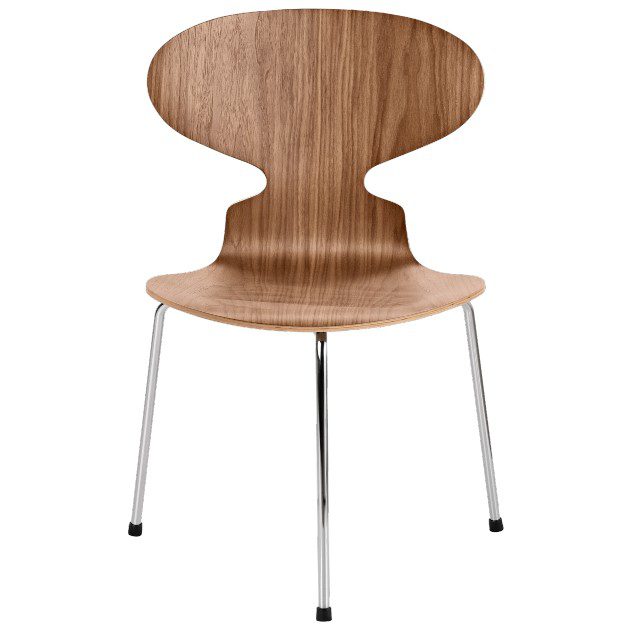
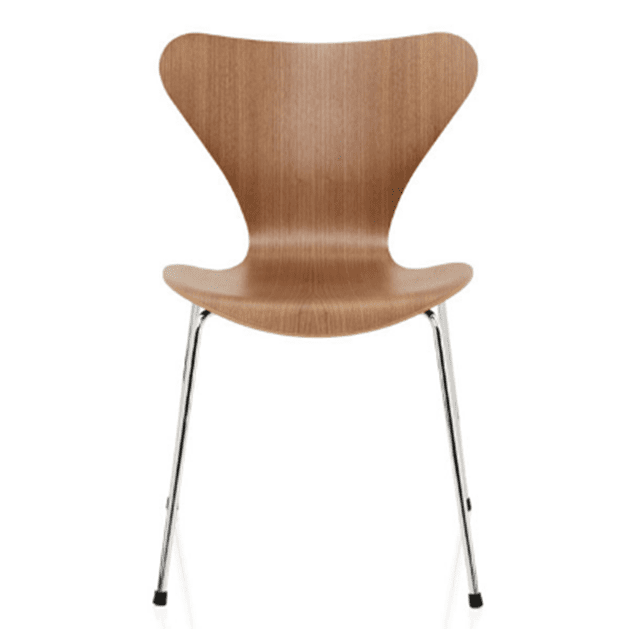
Jacobsen Ant Chair | Image for illustration purposes only Jacobsen Series 7 Chair | Image for illustration purposes only
At the end of the 50s, Arne Jacobsen was also the architect responsible for the design of the Royal Hotel in Copenhagen. For which he designed the famous chairEggand the chairSwan, two of several pieces that would becomenational and international heritage.
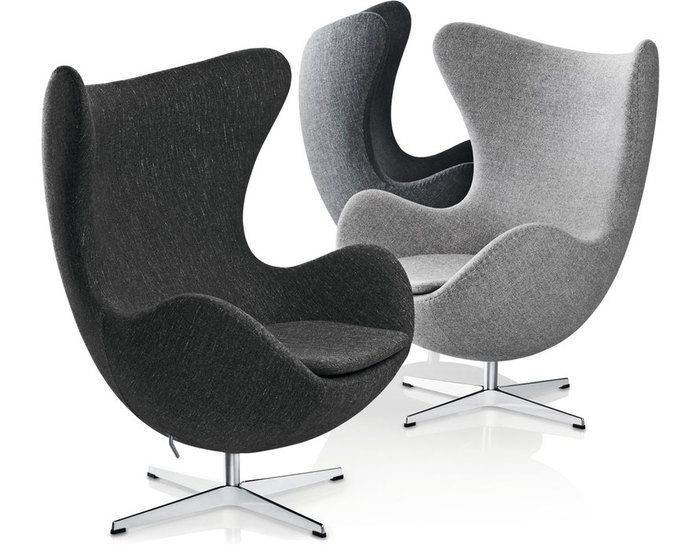
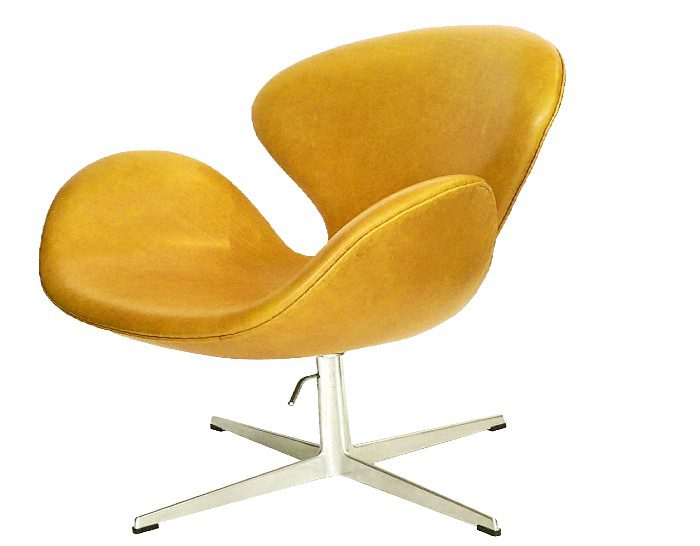
Egg Chair by Arne Jacobsen | Image for illustration purposes only Swan Chair by Arne Jacobsen | Image for illustration purposes only
Along with Jacobsen, another of the most emblematic names in the history of Scandinavian Design is:Alvar Aalto. Born on February 3, 1898, in a small Finnish town called Kuortane, Aalto was inspired by architects such as Charles-Édouard Jeanneret (also known as Le Corbusier) and Walter Gropius to create paradigmatic buildings in the four corners of the world.
However, Alvar Aalto was not just a brilliant architect. He was also responsible for creating pieces of furniture that quickly became references in Scandinavian Design. Examples of this are the iconic Savoy vase or the famous model 60 bench, mass-produced by Artek, a company founded by Aalto and the architectAino Maria Marsio-Aalto, his wife.
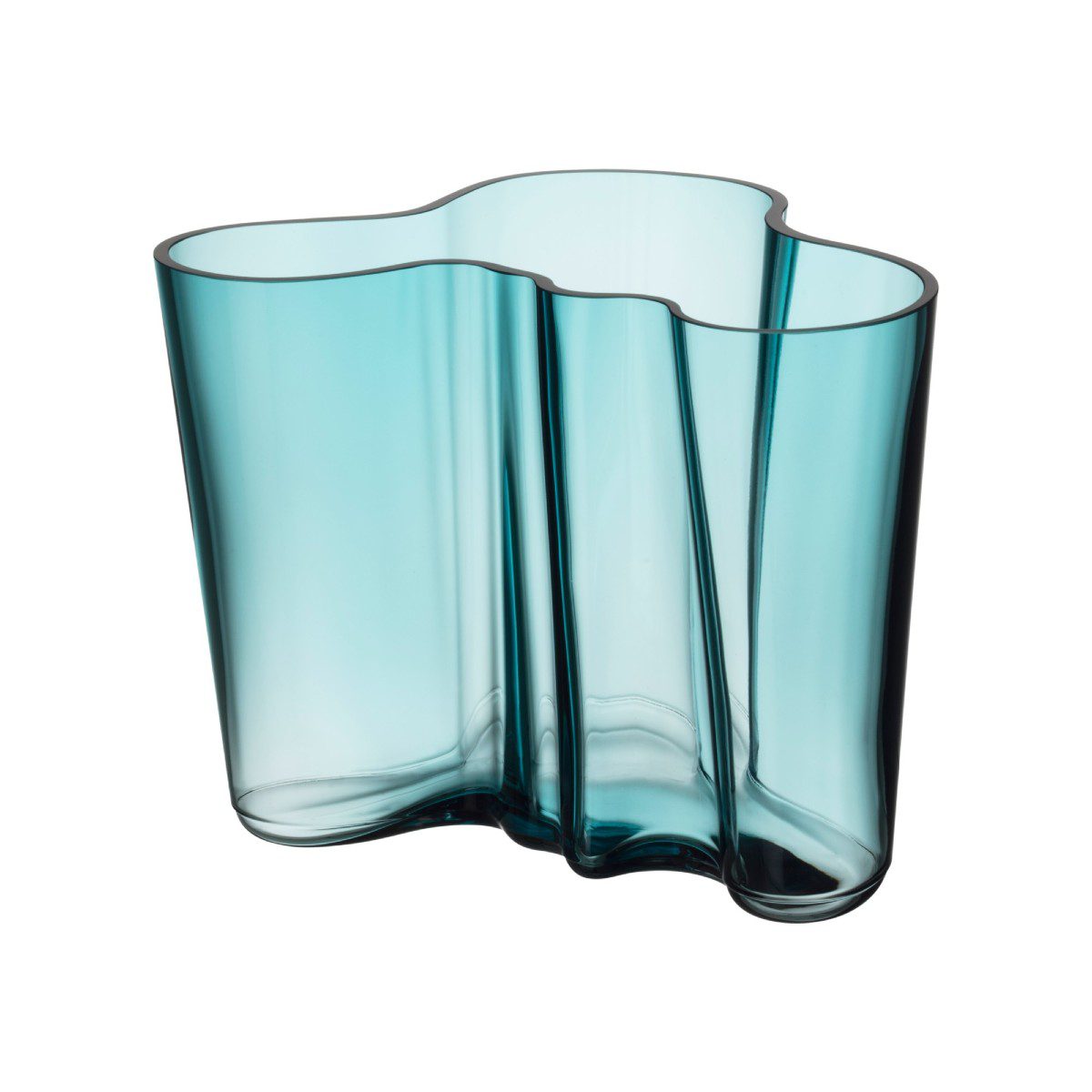
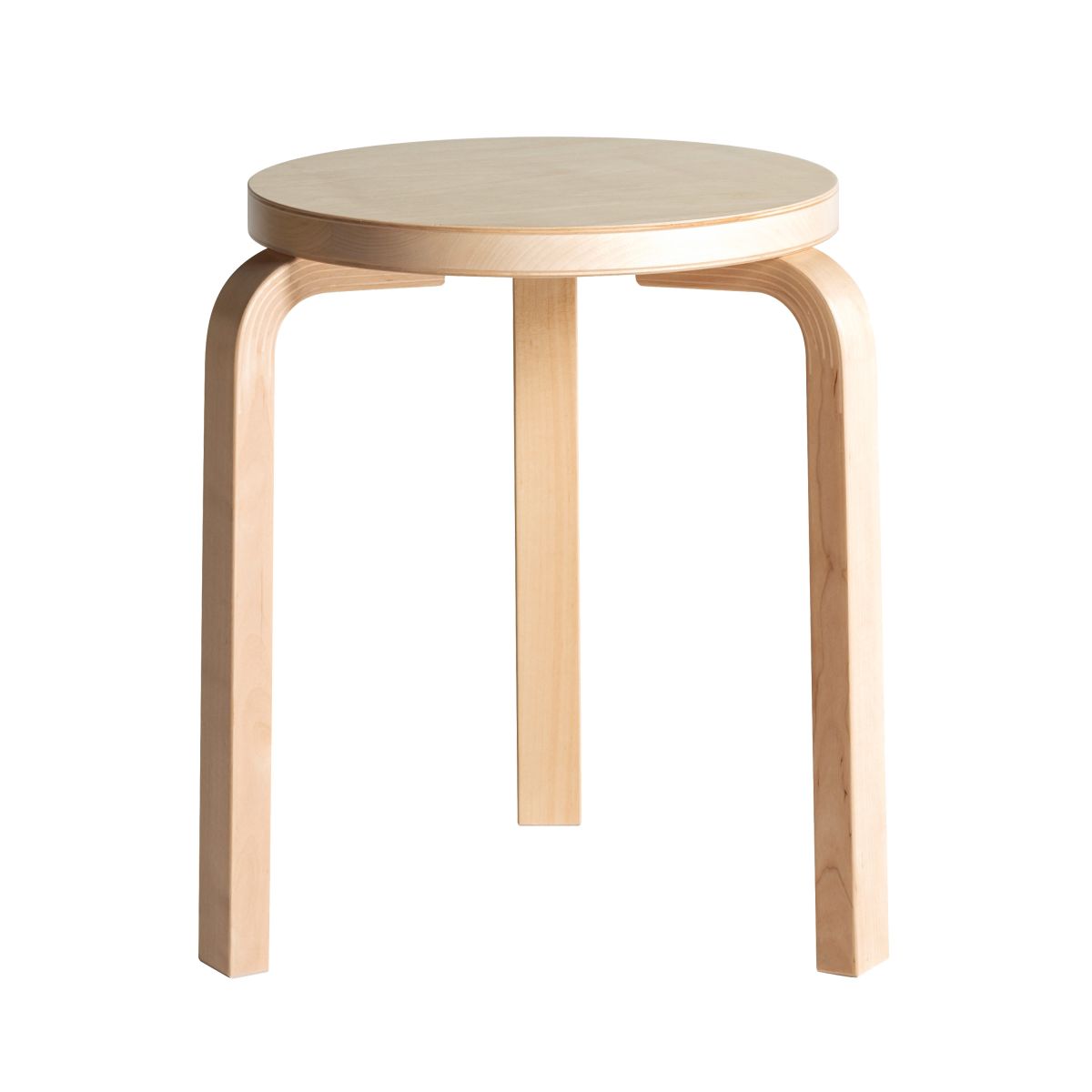
Savoy Vase by Alvar Aalto | Image for illustration purposes only Stool 60 by Alvar Aalto | Image for illustration purposes only
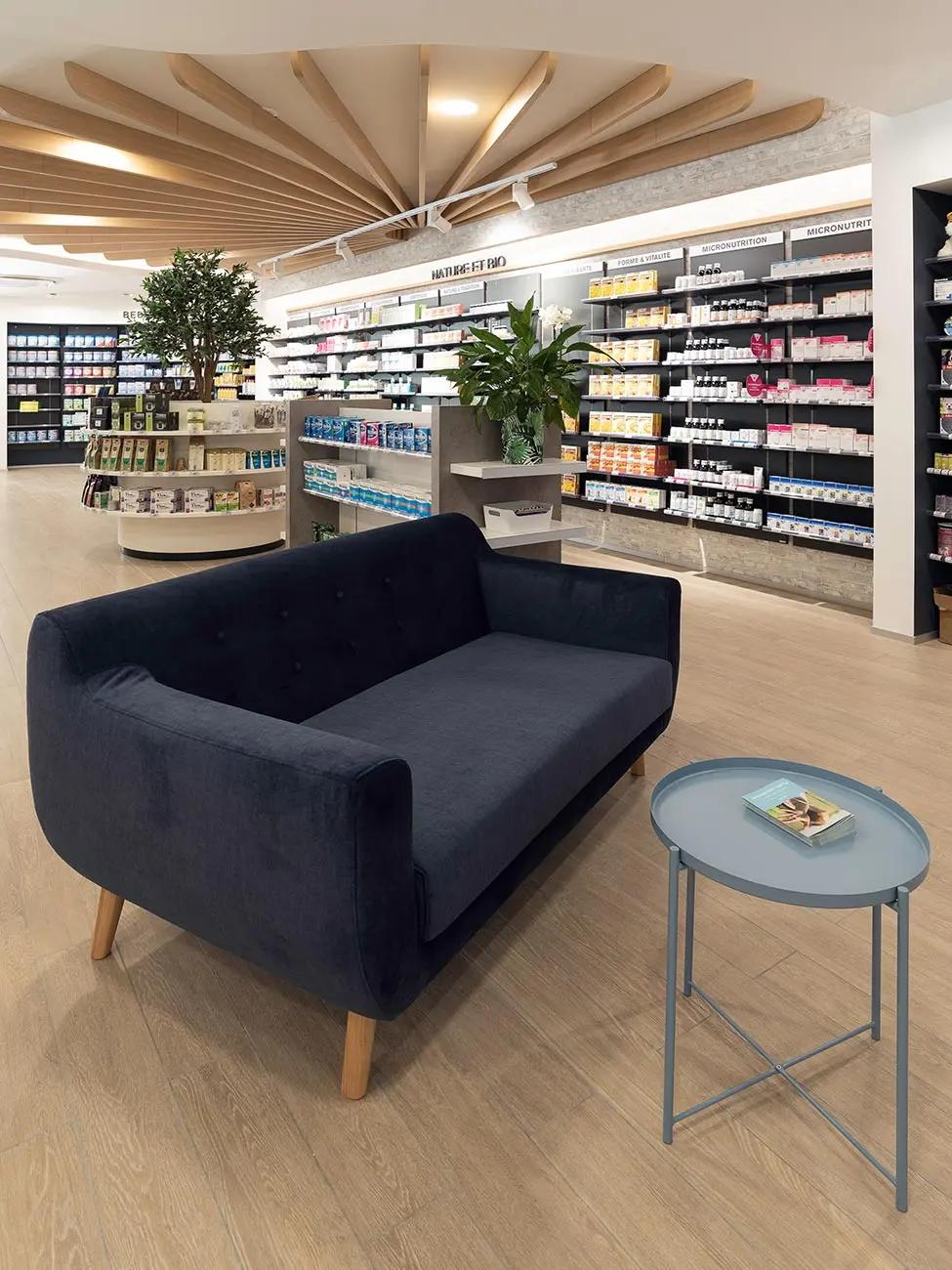
On the other hand, nowadays, when we talk about Scandinavian Design, the first thing that comes to mind are the IKEA catalogues. The popular Swedish chain, which has long become a furniture icon, offers a wide range of options at an affordable price, deeply characterized by functionality andminimalism.
Scandinavian-inspired interior spaces should provide an immediate sensation of warmth and order, where a wave of harmony and visual clarity invades the occupants of the space. That being said, there are several elements that make up Modern Scandinavian Design. Among them:
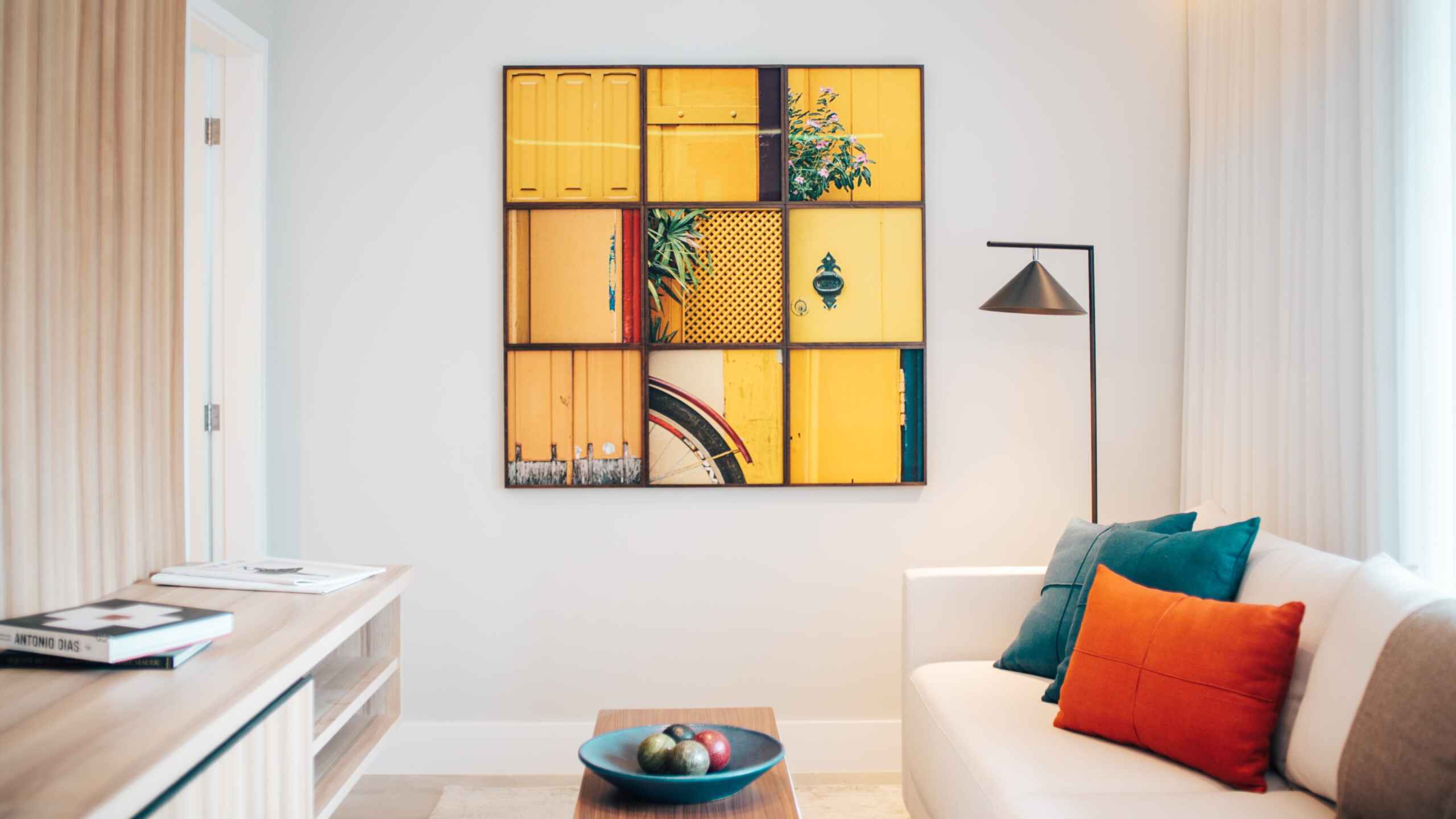
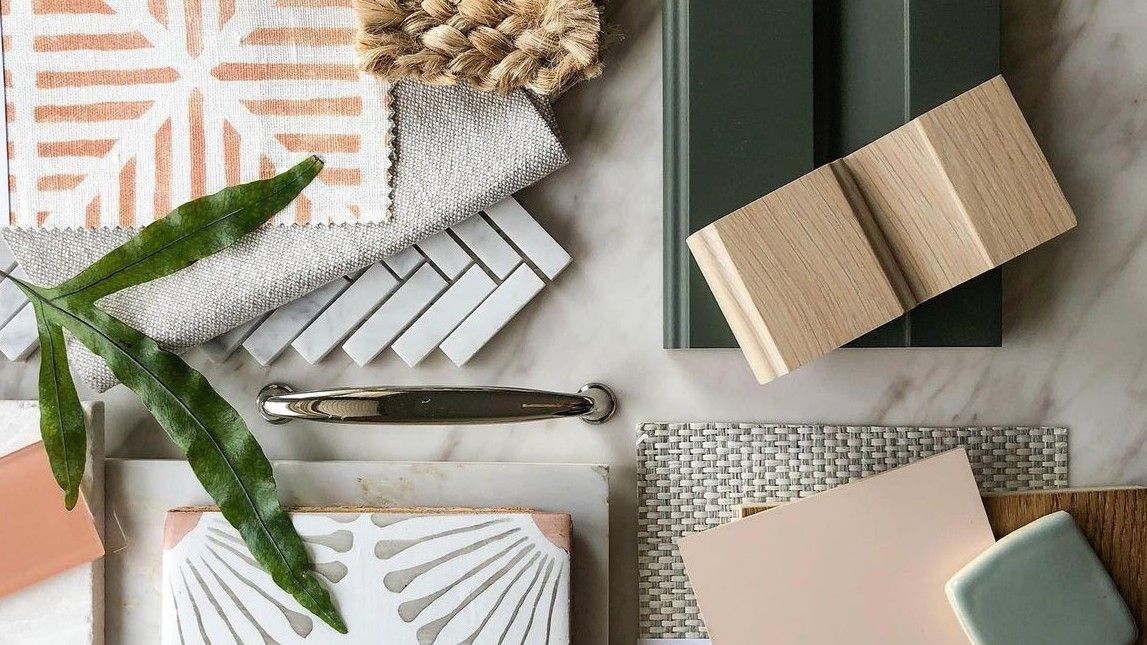
Due to adverse climatic conditions, Scandinavian countries sought to create warm and welcoming interiors, using a certain color palette. The lack of natural light, for example, explains the predominance of white. But not alone!Soft, natural colorsThey are widely used in textiles introduced into interior spaces, such as sofas and cushions. On the other hand, pastel colors are increasingly popular in Modern Scandinavian Design.
In Scandinavian Design, thenatural lightIt is always valued, precisely because in Nordic countries there is little light for long periods of the year. Therefore, large spaces and large windows are essential elements in this design concept.
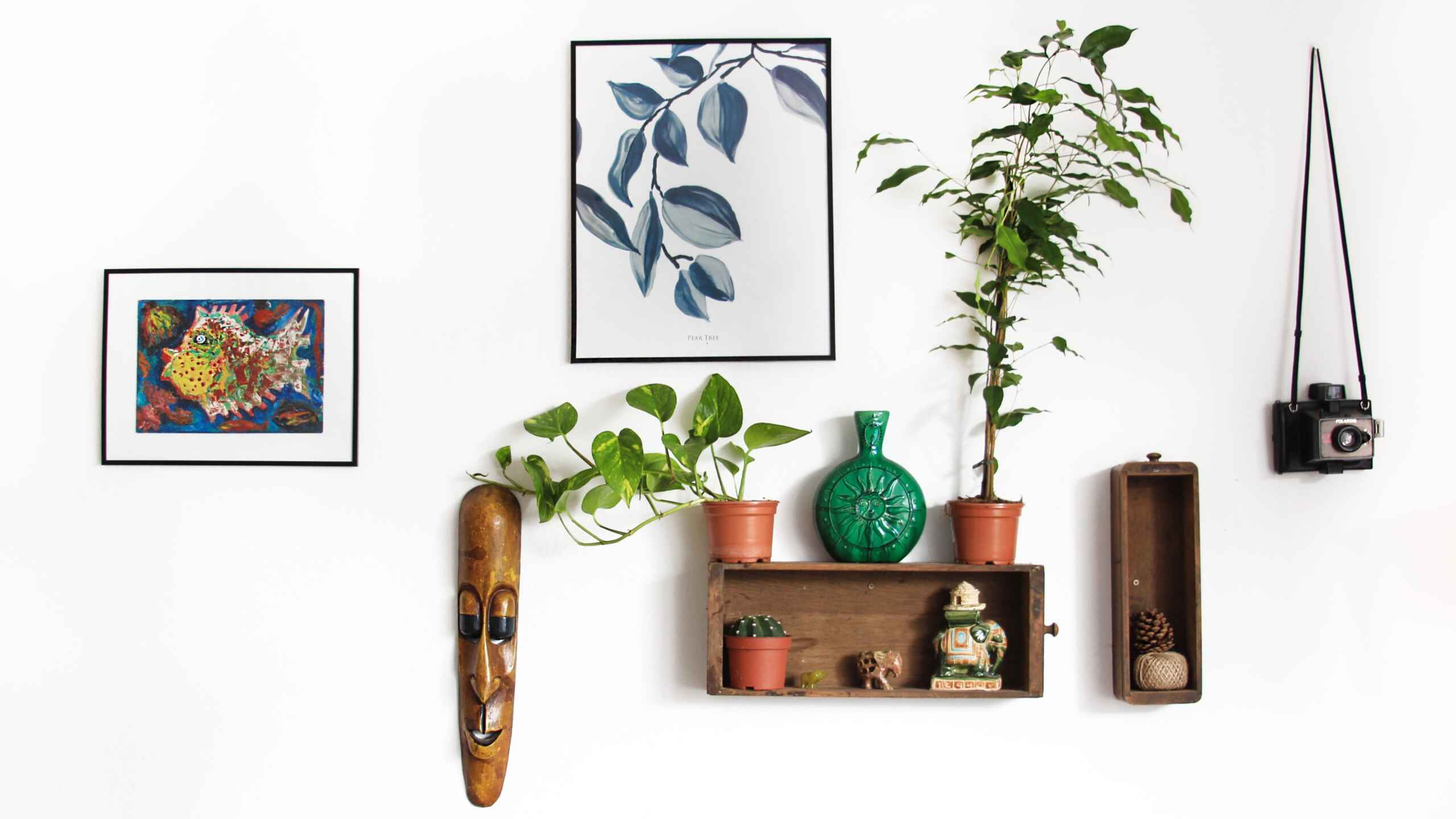
Unlike minimalist design, Scandinavian Design focuses onuse of organic material. In fact, the Nordics are widely known for their strong bond with nature. A fact that manifests itself in the wide use of wood: a predominant material in Scandinavian Design. However, in addition to wood, metal is often used in furniture pieces or selected decorative elements.
When designing Interior Spaces, MEDD offers a combination of functionality and elegance to any space. With simple, functional and exclusive technical furniture, our team of Designers highlights the characteristics of the environment and maximizes the potential of any work environment. Talk to us!
Count on a multidisciplinary team with extensive experience in developing construction and renovation projects. Count on Medd’s professionals to ensure the success of your project. Contact us today!

Find inspiration for your renovation projects. Follow us and stay up to date with the latest news.