Design
Health and design: 2020 trends
design

The concept of Universal Design emerged with the intention of creating environments, products and communications that can be used by all people, regardless of their age, ability or social status. This approach, which originated in the United States in the 1960s, gained shape and recognition in the following decades, consolidating itself as a fundamental philosophy in architecture and design.
the term“Universal Design”was popularized byRonald L. Mace, an American architect and advocate for the rights of people with disabilities, who founded theCenter for Universal Designat the University of North Carolina.
Universal Design is a concept that aims to create products and environments that are accessible to all people, regardless of their physical, cognitive or sensory capabilities. The central idea is to promote inclusion and equity, ensuring that everyone can fully participate in society.
The seven principles of Universal Design were developed by a group of architects, engineers and designers led by Mace, with the aim of guiding the development of inclusive projects. These principles apply to a wide range of design disciplines, including environments, products and communication.
The design must be useful and salable to people with diverse abilities. This implies that products and spaces must be designed in such a way as to be accessible and usable by everyone, without stigmatization.
The design must accommodate a wide range of individual preferences and abilities. Spaces and products must allow different modes of use, adapting to the needs of their users.
Simple and Intuitive Use
The design must be easy to understand, regardless of the user's experience, knowledge, language or concentration level. Simplicity in design helps make design more accessible to everyone.
Perceivable Information
The design must communicate the necessary information effectively to the user, regardless of environmental conditions or their sensory capabilities. This includes using different forms of communication, such as visual, verbal or tactile.
Error Tolerance
The design must minimize the risks and adverse consequences of accidental or unintentional actions. Products and spaces must be designed to reduce the potential for error and increase user safety.
Low Physical Effort
The space must be able to be used efficiently and comfortably, with a minimum of fatigue. This is especially important in environments that require frequent or prolonged interactions.
Dimensions and Space
Universal Design must ensure adequate space for access, reach, manipulation and use, regardless of the user's body size, posture or mobility. Healthcare spaces must be designed to accommodate different body types and technical equipment.
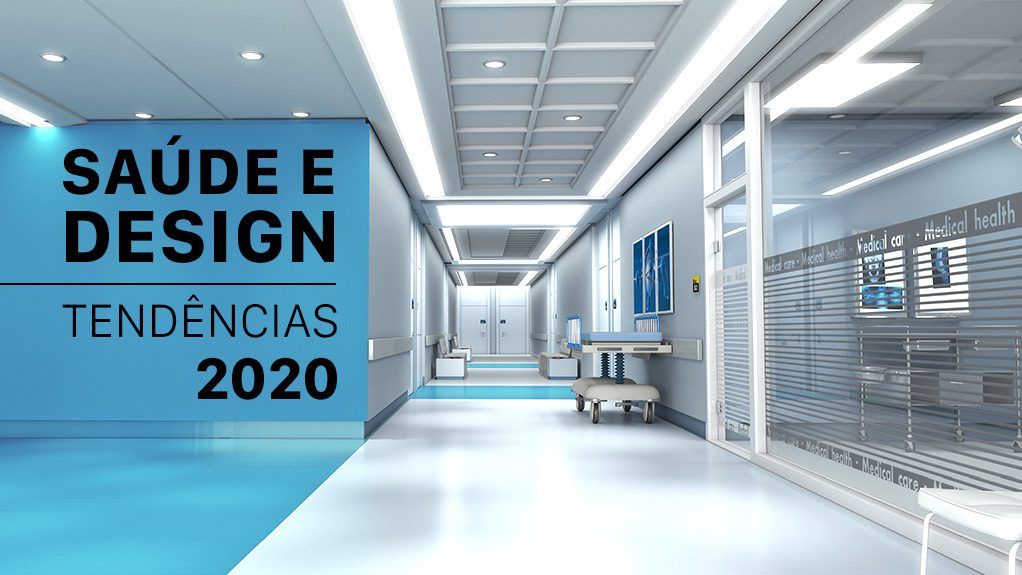
Consideration of Universal Design principles is especially critical when designing healthcare spaces. Hospitals, clinics and other medical care environments must be accessible to all patients, including those with reduced mobility, sensory or cognitive disabilities.
THEinclusive architecturecan significantly improve the patient experience by increasing comfort, safety and independence. For example, wider, obstacle-free hallways make it easier to use wheelchairs, while clear, legible signage helps patients with visual or cognitive disabilities navigate the space.
Furthermore, Universal Design can contribute to the operational efficiency of healthcare services. Well-designed spaces allow better circulation of personnel, reducing the risk of accidents and improving the quality of service. It also promotes greater satisfaction for healthcare professionals, who can work in safer and more comfortable environments.
With a team of experienced professionals, we guarantee exceptional results, from planning to project execution. We work closely with our customers to meet their needs effectively and exceed expectations.
If you are looking for a solid and professional partnership for your next project, count onMedd Design.Get in touchContact us to learn more about our services and how we can help you achieve your goals.
Count on a multidisciplinary team with extensive experience in developing construction and renovation projects. Count on Medd’s professionals to ensure the success of your project. Contact us today!

Find inspiration for your renovation projects. Follow us and stay up to date with the latest news.