Design
Health and design: 2020 trends
design

Human-Centered Design (HCD) is a creation process that starts from identifying a need and develops around the needs felt by the user of a given product, system or service. Whether it's creating easy-to-use applications or designing products to meet a specific need, Human-Centered Design always puts the user first.
Find out more in this article!
As a framework, Human-Centered Design requires empathy. Throughout the entire design process, it is necessary to return to paper many times to rethink the design. Here, the objective is to create solutions that are intuitive, easy to use and truly designed to help users. In general, this approach consists of four phases:
In Human-Centered Design, observation helps designers come up with ideas and begin the design process. It focuses, fundamentally, on studying the need and detecting the defect. At this stage, empathy is crucial. To create something with foundation it is necessary to understand the reality of others and immerse yourself in their daily lives.
At this stage, where concepts and ideas are formed, brainstorming begins. Based on the information collected during the observation phase, proposals are developed, perspectives shared and possible solutions presented. The more, the better. In this way, the exchange of information will ultimately result in a unique formula that leads to the desired result.
Starting from the previously produced formula, the prototyping phase begins. Here, the goal is to make the solution tangible so that the user can test its convenience and function. The feedback received will give rise to the necessary improvements and adjustments.
Validation occurs when all tests and adjustments necessary to certify the quality and relevance of the product or system have been carried out. Every creation must be put to the test with the help of real users.
The principles of Human-Centered Design include three elements. Firstly, desire. As I already mentioned, desire is fundamental to truly understanding the limitations felt by the user. Then, feasibility. In other words, the ability to develop and produce proposed solutions. Finally, viability. In other words, to be successful, the developed product must respond to the company's commercial needs, generating a net profit greater than the capital invested.
Therefore, for any designer who opts for the approach proposed by Human-Centered Design, it is essential:
1 –Substantiate design options based on accessibility and user comfort;
2 –Design products or services capable of reducing the costs associated with user adaptation to them;
3 –Create a competitive advantage for the company, with unique products, designed with the user in mind;
4 –Maintain focus on sustainability;
5 –Produce products capable of satisfying customer needs in the long term.
Although Human-Centered Design shares some of the same principles asDesign Thinking, there are aspects that distinguish them. While Design Thinking focuses on innovation to create products capable of solving problems, Human-Centered Design focuses on designing something capable of improving the user experience. Essentially, it can be said that Design Thinking is a process and Human-Centered Design is an approach to design that puts humans first.
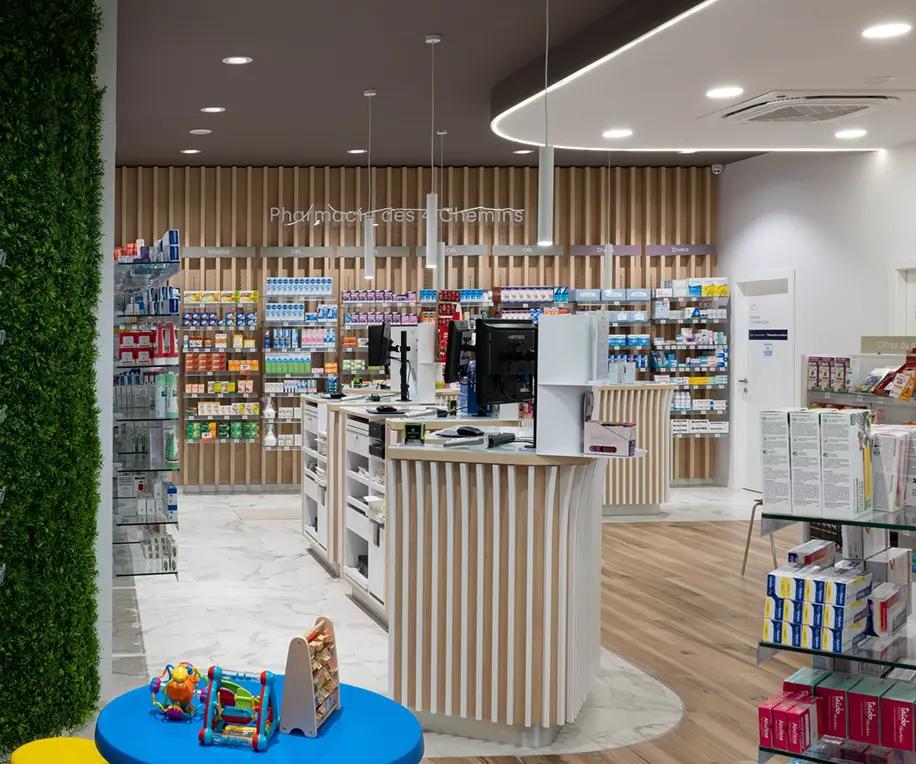
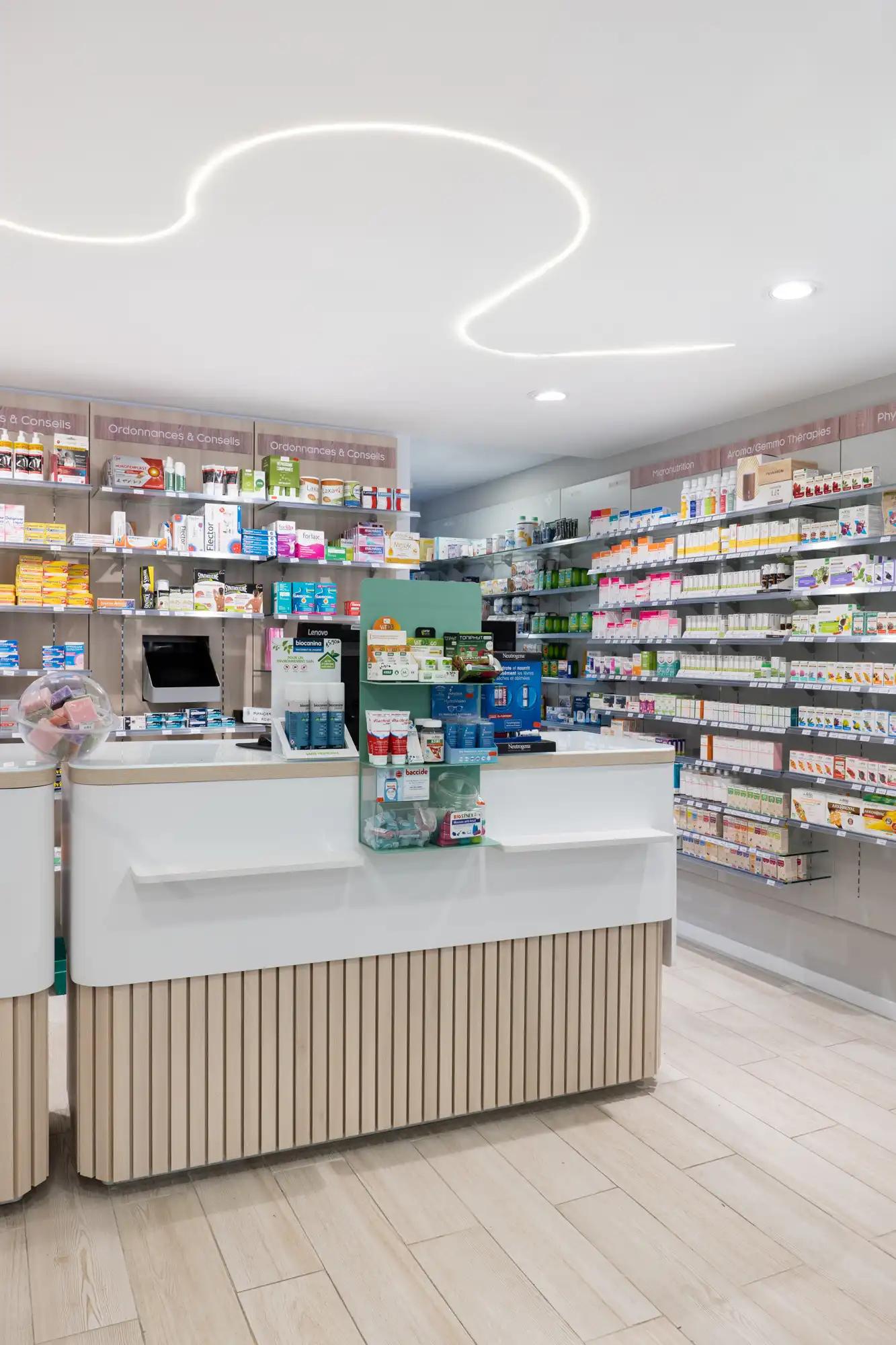
Our team of architects, designers and engineers designs elegant environments and solutions, with the aim of improving the quality of life for patients, families and healthcare professionals. Count on us!
Contact us!
Count on a multidisciplinary team with extensive experience in developing construction and renovation projects. Count on Medd’s professionals to ensure the success of your project. Contact us today!

Find inspiration for your renovation projects. Follow us and stay up to date with the latest news.