Design
Health and design: 2020 trends
design

Although two thousand years ago, Vitruvius, one of the most famous architects of Roman antiquity, defined aesthetic quality as one of the most relevant properties of architectural design; the consideration of aesthetic experience as a vital element of human experience is relatively recent. Now, when Freud started talking about the unconscious and its impact on individuals' behavior, technology did not yet allow a physiological understanding of its effects. However, with the advancement of technology, it is now possible to know, with relative precision, how the human body reacts to certain stimuli, which is why neuroarchitecture was born. But, after all, what is it about?
Neuroarchitecture is the study of how humans respond to the built environment. Here, the focus is on stimulating the symbiotic relationship between architecture and neuroscience, with the aim of developing projects with a true impact on the well-being of individuals. In other words, this means that the purpose of neuroarchitecture is the design of schools that stimulate the cognitive capacity of students, hospitals that increase the recovery capacity of patients, clinics that calm and reduce the anxiety levels of users or work environments that improve the creativity and levels of cooperation of its professionals.
Basically, in addition to being strong and structurally stable, the designed space must meet the needs of the occupants, while pleasing their visual and aesthetic sense. Examples of this are the construction and design practices of the ancient East, such asVaastu Shastra indiano ou o Feng ShuiChinese. Practices that offer extensive guidelines for creating spatial harmony that gives coherence to the built environment.
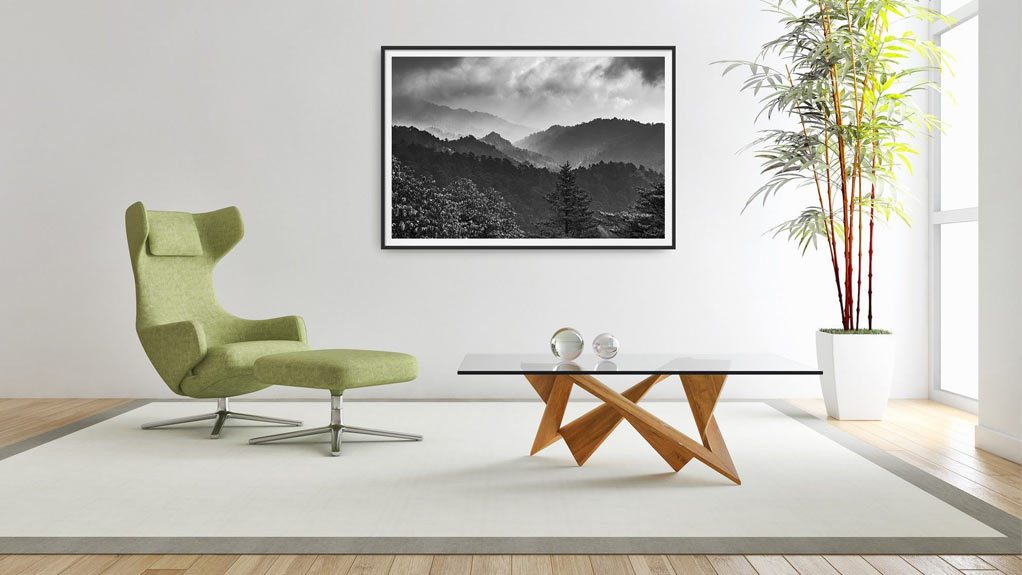
Example of Feng Shui applied to Interior Design. Image wallartprints.com
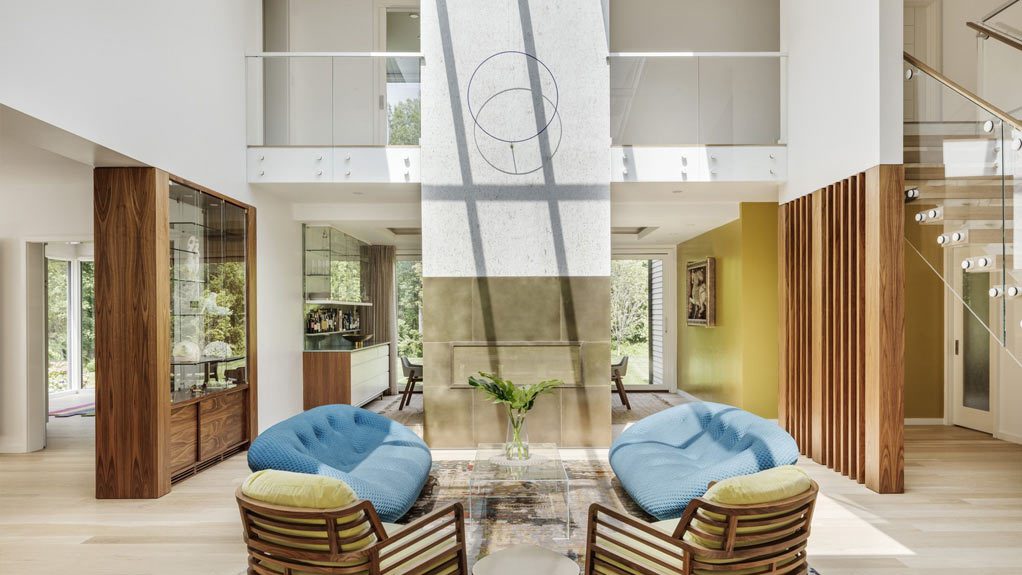
Example of Vastu Shastra applied to Interior Design. Image Greg Premru Photography
There are several studies that indicate that the aesthetic qualities of architecture have a significant impact on human mood, behavior, cognitive processing and mental health. In addition to this, the vast majority of people spend approximately90% of your time in an enclosed space. Reasons that justify the widespread interest of more and more architects and designers in the practical application of the principles of neuroarchitecture in the design of spaces dedicated to the provision of services and healthcare. Check out some!
Firstly, it is important to assess the emotional profile of the occupant of the space. It is essential to firmly establish the type of experience the user wants to have and what feeling the space should convey to visitors. Therefore, the physical and emotional well-being of the occupants are factors that must be the basis of the approach that underpins the interior design of the space, so that the objectives of neuroarchitecture are achieved.
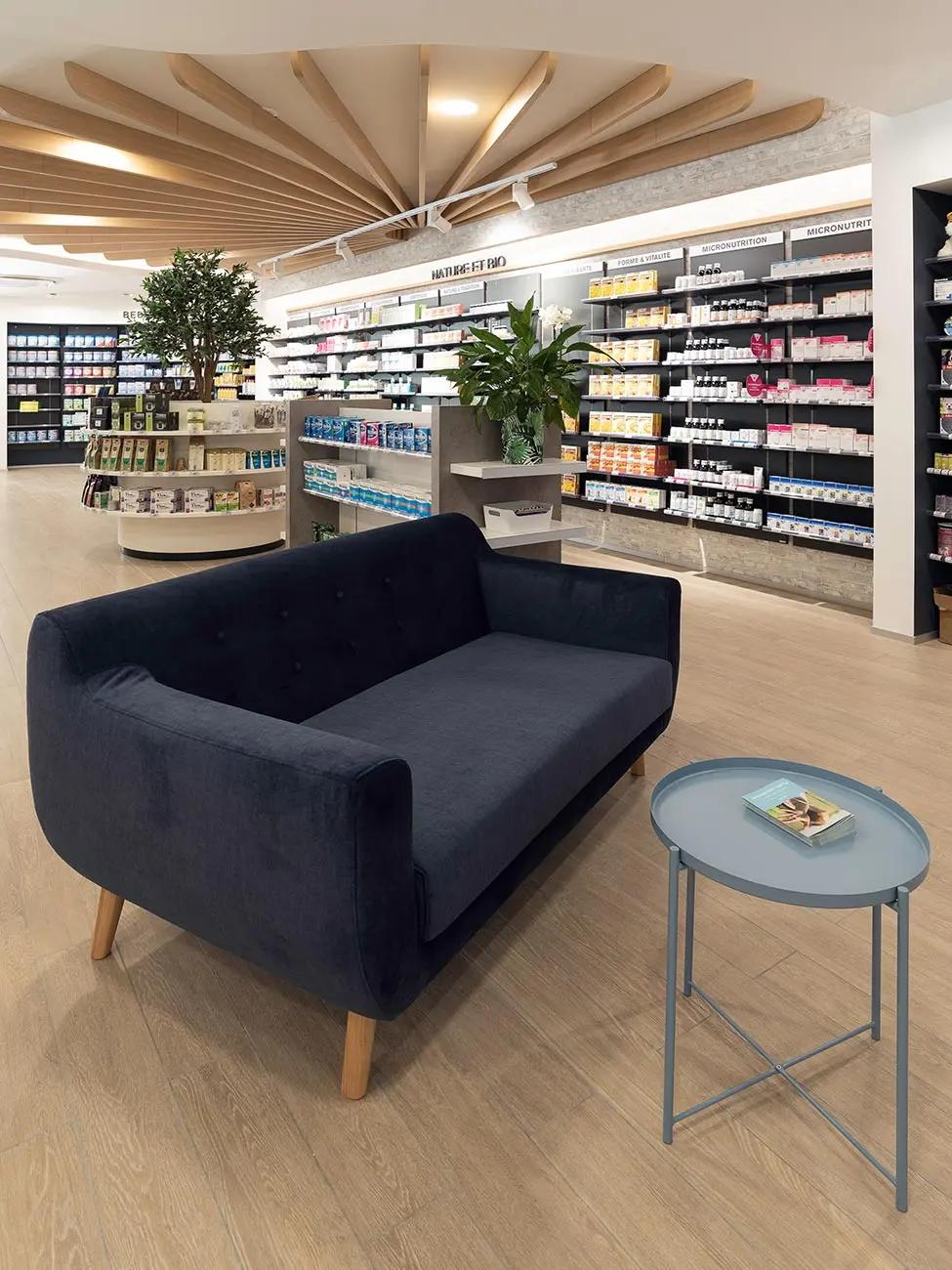
According to the principles of neuroarchitecture, it is crucial to identify and apply elements capable of stimulating the senses of the occupants of any interior space. Therefore, in the case of the health sector, these should be smell and vision. There are studies that state, for example, that artificial lighting can affect the user's circadian rhythm, having a direct impact on their mood. While the role ofbiophilic designreducing the stress levels of users or improving the concentration levels of healthcare professionals are scientifically attested facts.
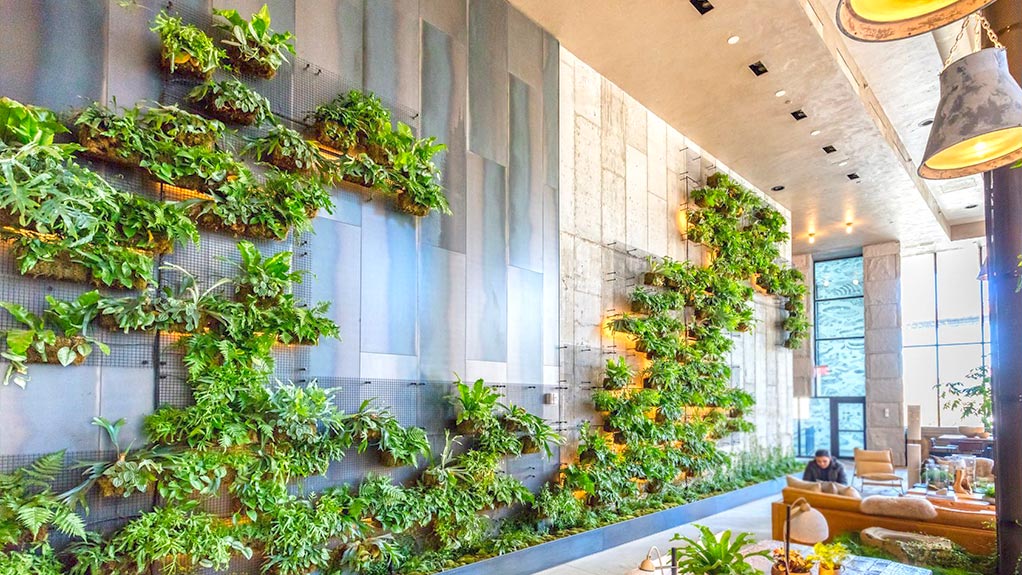
Image New York-based architecture studio
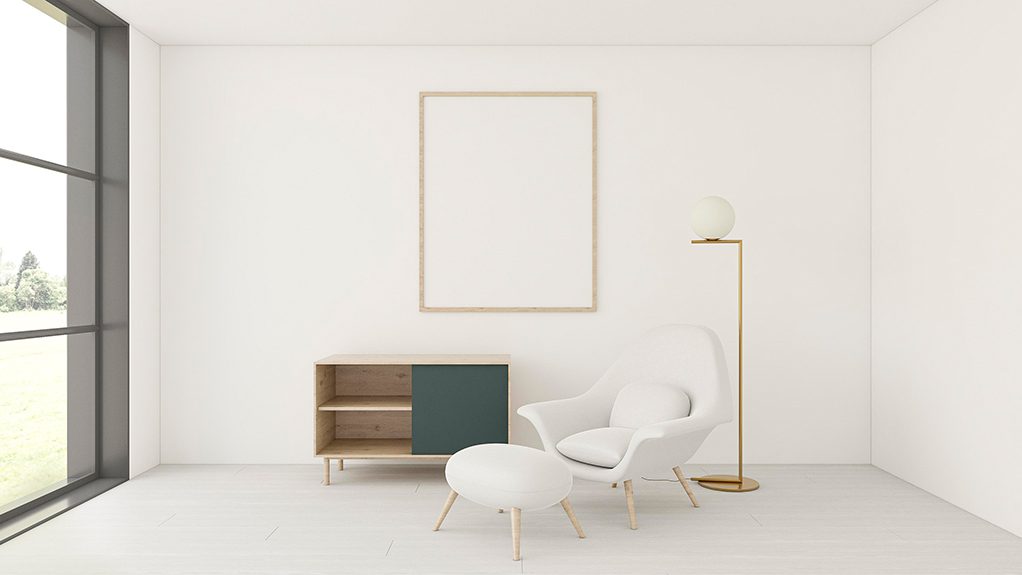
On the other hand, exploring geometry, through the introduction offurniture specialized technician, is a great way to facilitate and encourage the flow of users through the space. Circular furniture, for example, encourages greater brain activity compared to square or rectangular furniture. While a modern, minimalist design evokes a feeling of assertiveness and clarity.
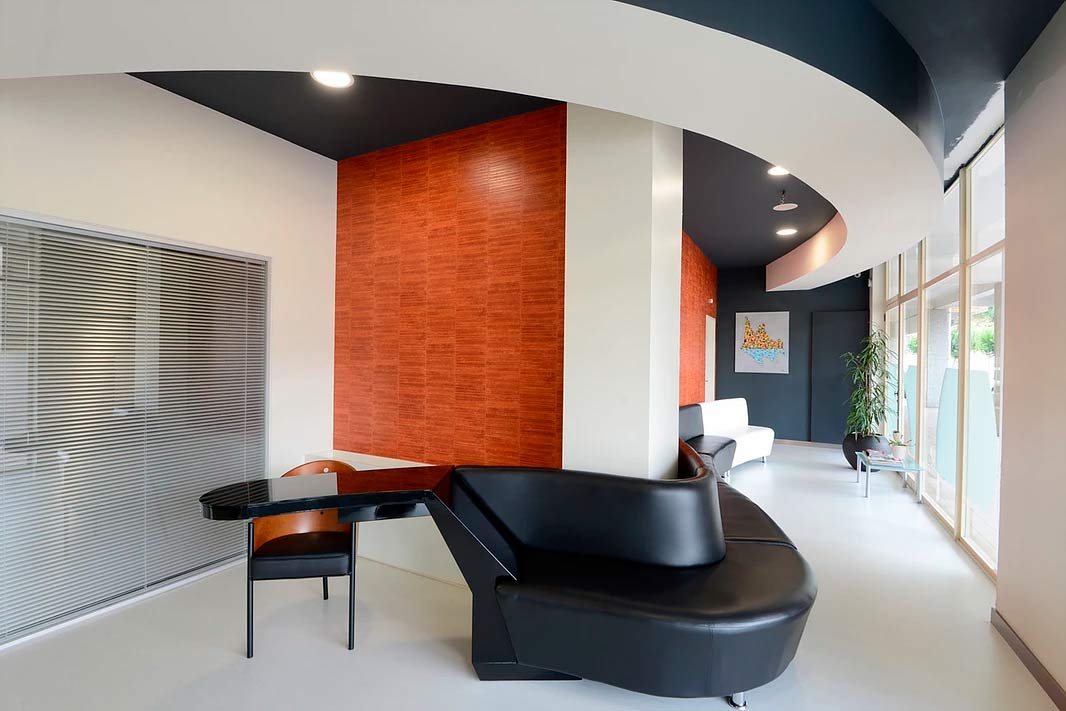
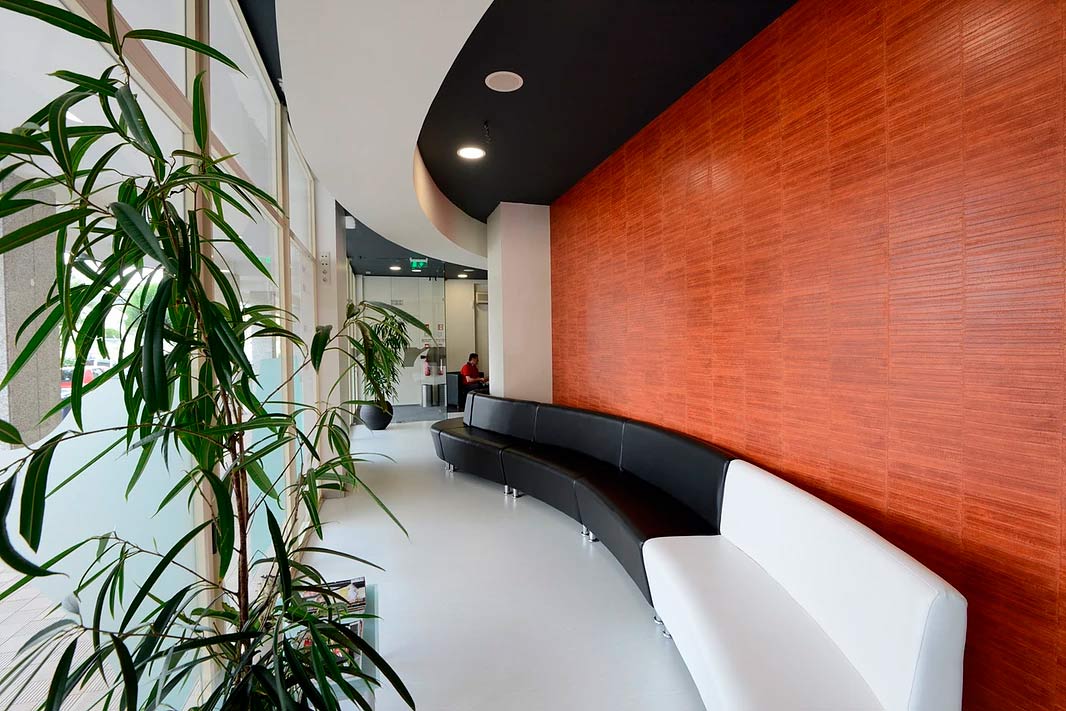
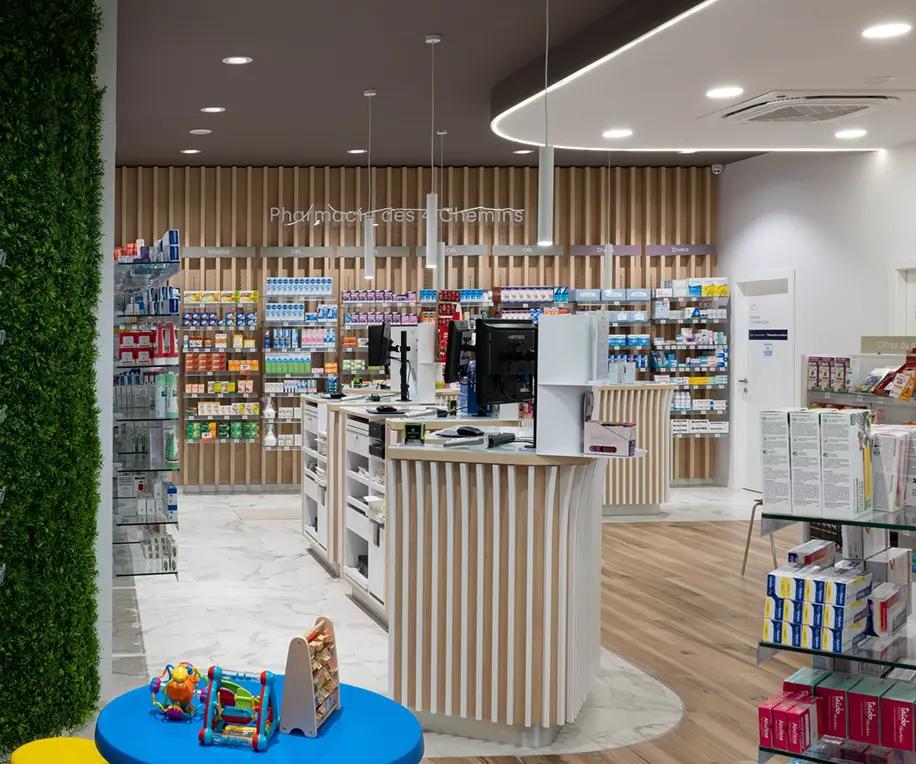
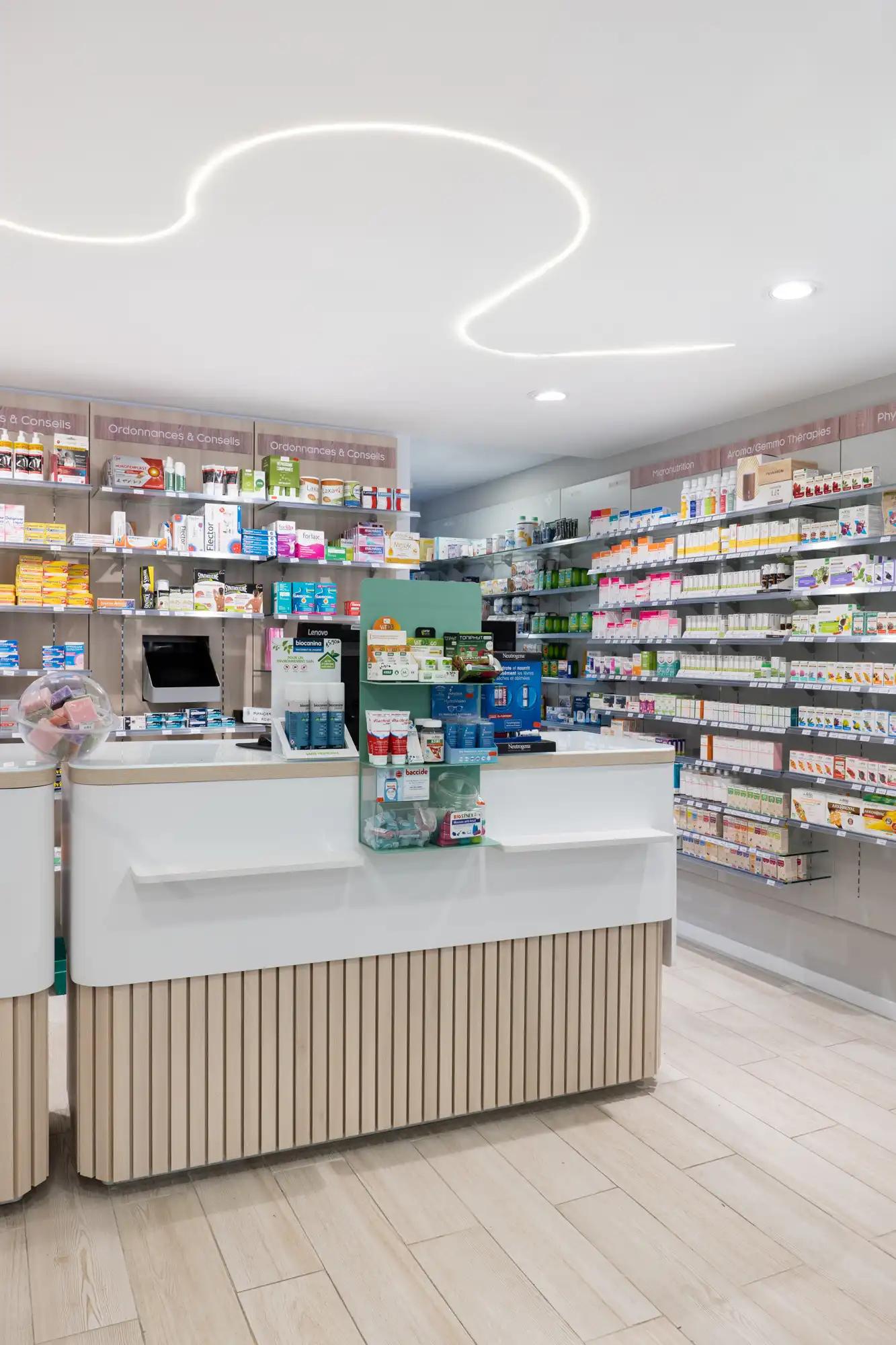
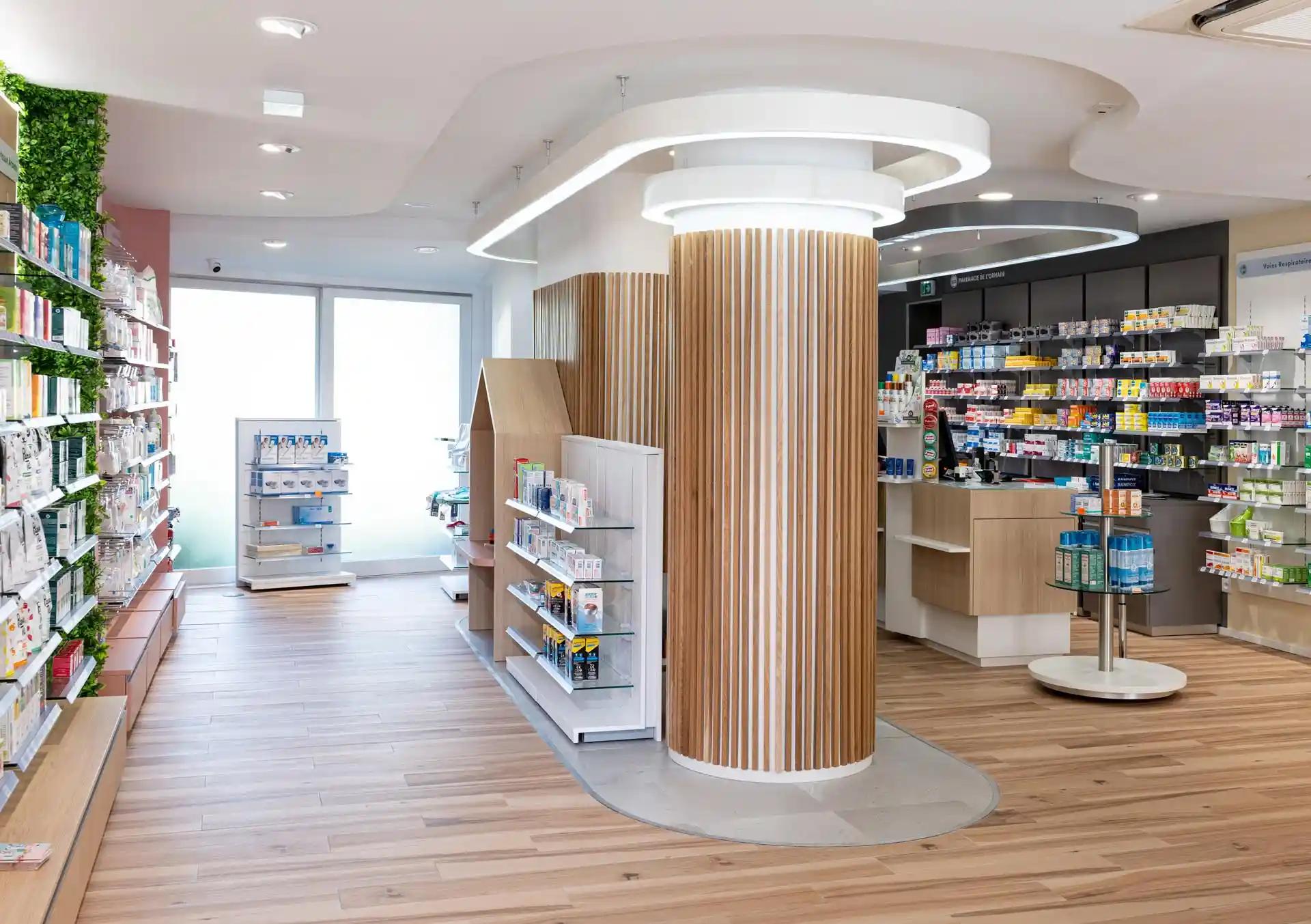
Finally, in commercial spaces such as pharmacies, neuroarchitecture imposes the principle of decision making. This means that it is essential to find ways to reduce the amount of clutter in the space, through interior design. By facilitating the user's decision-making usinglinearaesthetically appealing, stress and anxiety levels decrease substantially, which increases satisfaction levels.


InMEDD, we incorporate innovative concepts intoprojection of healthcare spacesthat mirror the principles of neuroarchitecture. Our team of professionals inspirescreativity and ingenuityso that any space dedicated to the provision of health services is a source of well-being and satisfaction for health professionals and users.
Count on a multidisciplinary team with extensive experience in developing construction and renovation projects. Count on Medd’s professionals to ensure the success of your project. Contact us today!

Find inspiration for your renovation projects. Follow us and stay up to date with the latest news.